
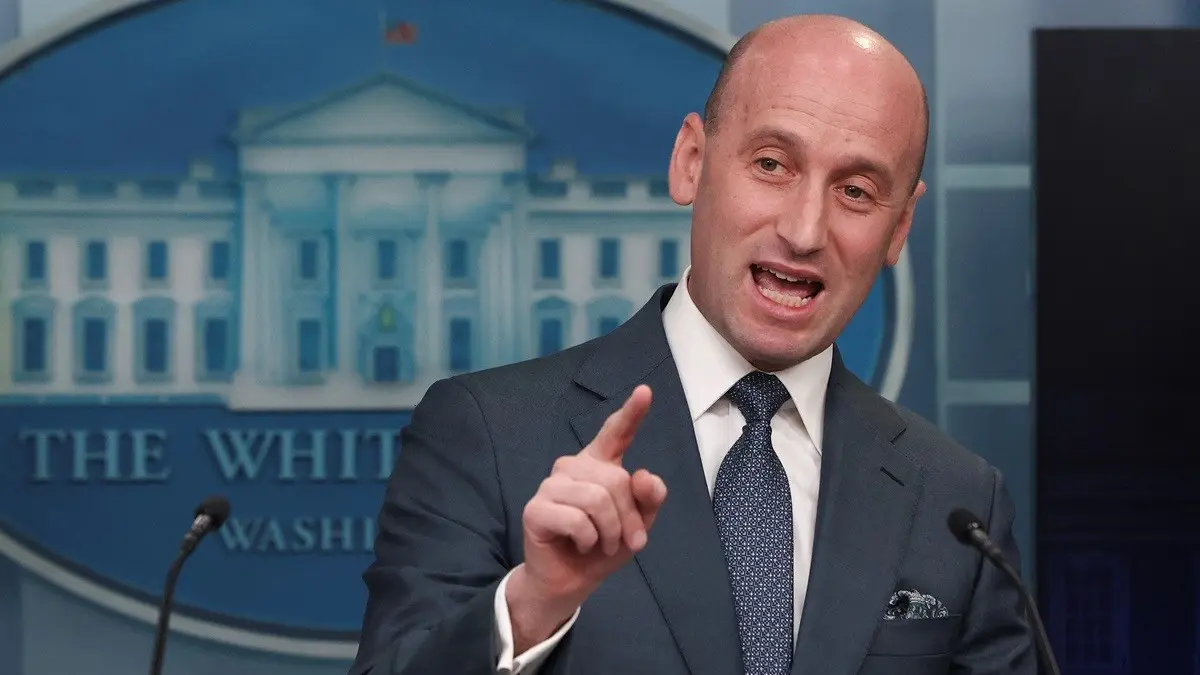

US President Donald Trump has appointed longtime adviser Stephen Miller as White House Chief of Staff, elevating one of the administration’s most influential architects of domestic policy following the Republican Party’s losses in the November 2026 midterm elections, as reported by BBC and NBC News. Announced on Friday, November 6, the appointment will take effect on Monday, November 9, with Miller succeeding Susie Wiles, who is leaving the role to join Trump’s political operation. Trump described Miller as one of his most trusted advisers, while the White House presented the move as a continuation of the administration’s policy direction rather than a change in strategy.
At 41, Miller has been central to Trump’s political agenda since the president’s first administration, particularly on immigration, border enforcement and the expansion of executive authority. As deputy chief of staff, he played a leading role in shaping the administration’s mass deportation campaign, which set a target of 3,000 arrests daily and drew criticism over enforcement practices and its impact on immigrant communities. He was also involved in efforts to restructure the federal workforce and the administration’s confrontations with universities and diversity programmes. His promotion places a key policy strategist at the centre of White House operations as Democrats prepare to take control of both chambers of Congress and pursue investigations into the administration.
The appointment signals that Trump intends to maintain his political and policy direction despite the electoral setback, potentially setting the stage for more direct confrontations with congressional Democrats over immigration, executive power and oversight. Reuters reported that Miller has also supported the administration’s military operations against suspected drug-trafficking vessels and its actions against Iran, positions that have attracted legal and political scrutiny. While Trump has indicated a willingness to work with Democrats, Miller’s elevation is likely to shape the administration’s approach to negotiations and congressional oversight during the remainder of his term. The departure of Wiles, the first woman to serve as White House Chief of Staff, marks a significant change in the president’s inner circle at a moment of heightened political pressure.