
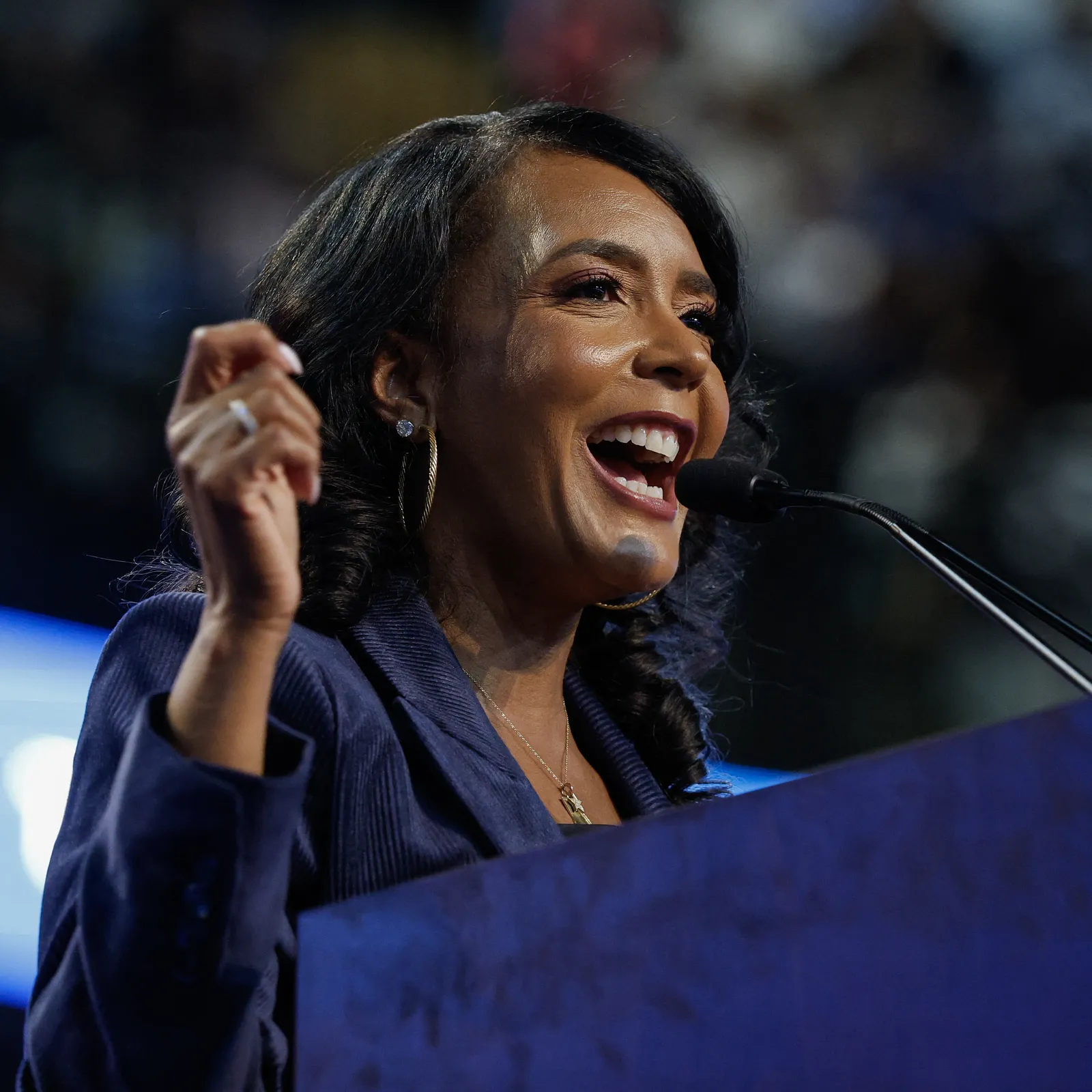

Keisha Lance Bottoms has made history after winning Georgia’s gubernatorial election, becoming the first Black woman elected governor of a US state. The Democratic candidate defeated Republican businessman and healthcare billionaire Rick Jackson in the November 3, 2026, midterm elections, ending more than two decades of Republican control of Georgia’s governor’s office. Her victory also makes her Georgia’s first female governor and the first Black woman elected to the state’s highest executive office. According to projections reported by the Associated Press and Al Jazeera, Bottoms will succeed outgoing Governor Brian Kemp, who was unable to seek another consecutive term because of term limits.
Bottoms brings extensive experience in public service to the governorship. Born and raised in Atlanta, she served on the city council before becoming its 60th mayor, holding office from 2018 to 2022. Her tenure placed her at the centre of several defining moments in the city’s recent history, including the COVID-19 pandemic, protests following the murder of George Floyd and efforts to address public safety, economic development and municipal transparency. Following her mayoralty, she joined the Biden administration as director of the White House Office of Public Engagement and later served as a senior adviser to President Joe Biden. Her campaign focused on healthcare access, affordable housing, education, economic opportunity and voting rights, including proposals to expand Medicaid and reduce the cost of living for Georgia families.
Her election represents a significant milestone in American political representation, particularly for Black women who have historically faced barriers to the highest levels of elected leadership. Georgia has been a major political battleground in recent election cycles, with Black voters playing an important role in the coalition that helped Democrats secure statewide victories. Bottoms’ victory follows the unsuccessful gubernatorial campaigns of Stacey Abrams in 2018 and 2022, making her election a landmark moment for Black women in the state’s political history. She is expected to take office in January 2027, inheriting a state with competing priorities around healthcare, housing, education, economic growth and political divisions.