
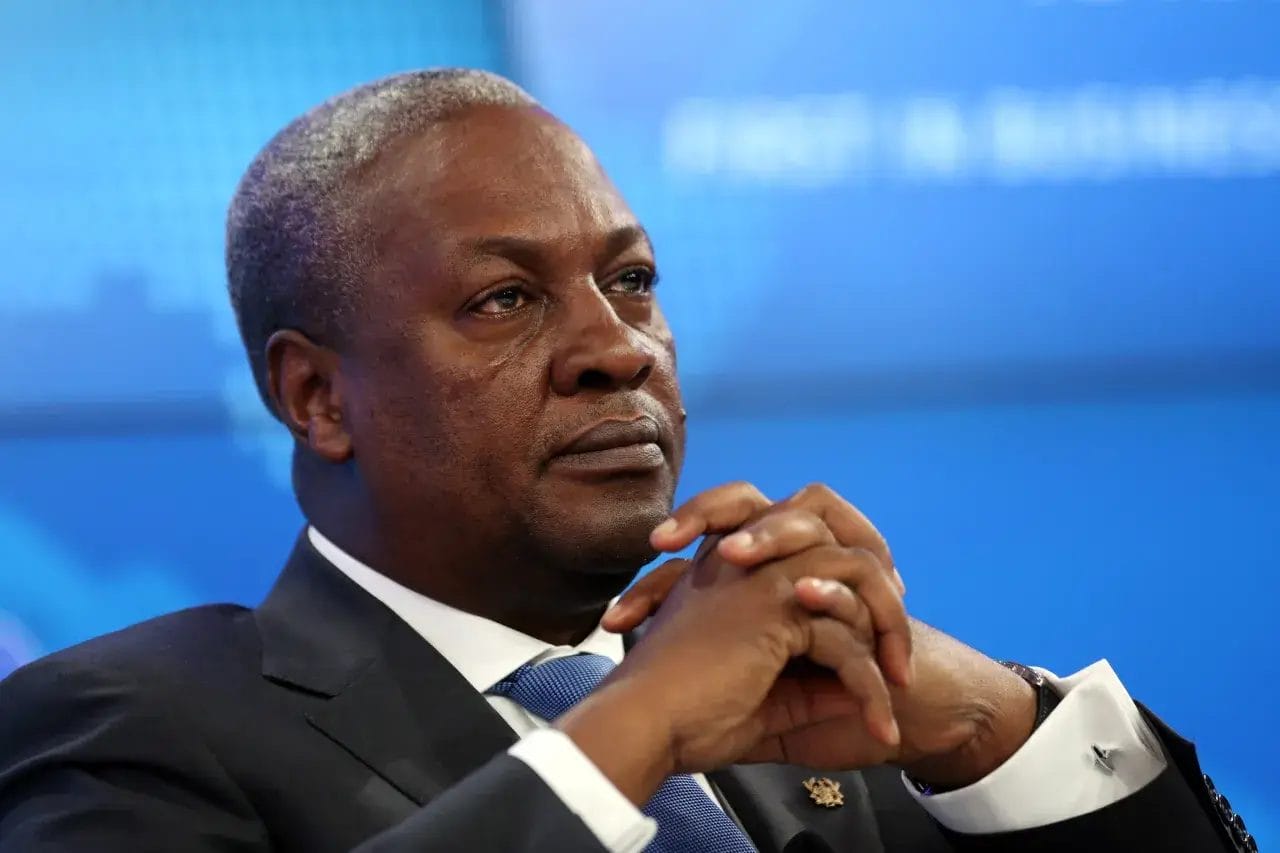

As President John Dramani Mahama takes the reins once again, Ghana’s economic fate hangs delicately on the performance of its two most vital exports: gold and cocoa. Both sectors, historically central to the country’s GDP and foreign exchange earnings, are undergoing turbulence marked by illegal activity, mismanagement, and environmental strain. Mahama’s administration is betting on sweeping reforms to restore confidence in these industries and rekindle long-term economic growth.
Gold: Regaining Control of a Leaky Asset
Ghana’s gold sector remains a global powerhouse, it is the top producer in Africa and a critical source of national income. Yet, the economic potential of this resource has been undermined by illegal small-scale mining, commonly known as “galamsey.” Not only has this unregulated activity caused extensive environmental destruction, but it has also led to the loss of an estimated $2 billion annually in uncollected taxes and smuggled gold exports.
To address the revenue hemorrhage and environmental fallout, the government has launched the Ghana Gold Board (GoldBod), now the sole institution authorized to purchase, assay, and export gold from small-scale miners. Officially operational as of May 1, 2025, GoldBod is expected to centralize control, increase tax receipts, and crack down on illicit mining trade routes.
Furthermore, a new legislative push has banned all foreign companies from participating in the artisanal gold trade, aiming to curtail exploitation and keep more value within national borders. However, industry observers have expressed concern over the monopolistic structure of GoldBod and urged the Mahama administration to ensure transparency and competitive checks within the newly established agency.
Cocoa: A Struggling Giant in Need of Overhaul
Meanwhile, Ghana’s cocoa industry, once the pride of the economy, has suffered five consecutive quarters of contraction, culminating in a 26% decline by Q3 2024. The sector has been hit hard by climate change, crop disease, and the encroachment of illegal mining on productive farmlands. These setbacks have driven down yields and profits, prompting urgent calls for structural reform.
President Mahama has placed the Ghana Cocoa Board (COCOBOD) at the center of his recovery strategy, accusing it of accumulating excessive debt, reportedly over GH₵32.5 billion and competing with the very farmers it was meant to support. His administration plans to restructure COCOBOD into a purely regulatory body and eliminate its role in commercial operations. The goal is to ensure that cocoa farmers receive a fairer share of the export value and that inefficiencies in the supply chain are eliminated.
A key piece of proposed legislation under Mahama’s leadership seeks to criminalize the destruction of cocoa farms for mining activities, a response to the growing overlap between the mining and agricultural sectors that has threatened both food security and national exports.
There are also fresh plans to move Ghana up the value chain in cocoa processing. Rather than exporting raw beans, the country will increasingly focus on producing semi-processed and finished chocolate products to tap into the multibillion-dollar global confectionery market. The administration argues that this shift will drive industrial growth, create jobs, and generate higher returns from each ton of cocoa harvested.
Macroeconomic Signals Show Fragile Progress
Amidst the challenges, there are signs of macroeconomic stabilization. The Bank of Ghana held its policy rate at 28.0% in May 2025, signaling a slowdown in inflation, which dipped to 21.2% in April. The Ghanaian cedi has also shown resilience, buoyed by fiscal tightening and foreign exchange inflows. However, the road ahead remains treacherous.
Debt servicing remains a significant burden, projected to consume 14.3% of the country’s GDP in 2025. The International Monetary Fund (IMF) has urged the Mahama government to continue fiscal consolidation and accelerate structural reforms if Ghana is to meet its obligations under its Extended Credit Facility agreement.
Outlook: Promise Hinges on Policy Execution
Ghana’s gold and cocoa sectors are still capable of powering the country’s next phase of development, but that promise depends heavily on the ability of Mahama’s administration to implement reforms decisively and transparently. Controlling illegal mining, realigning institutional mandates, and unlocking value-added potential are necessary steps but they require political will, private sector buy-in, and institutional discipline.
If Mahama succeeds, Ghana may well reclaim its stature as one of Africa’s most promising economies, with its twin pillars of gold and cocoa offering a foundation not just for recovery, but for sustained prosperity.