
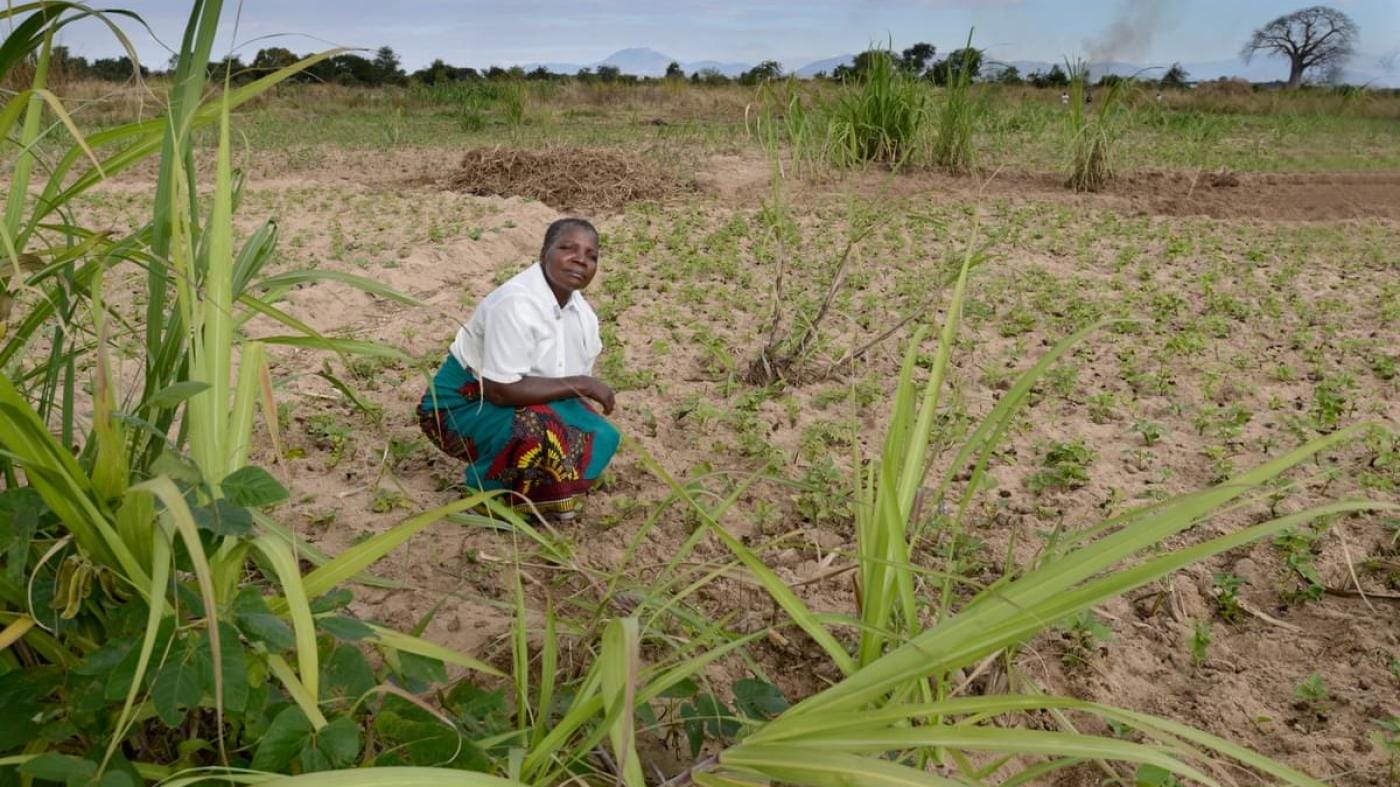

The government of Malawi has imposed new restrictions on grain exports to safeguard national food supplies as the country faces one of its worst hunger crises in recent years, with more than four million people at risk of severe food insecurity.
The Ministry of Agriculture announced that the export ban covers key staples such as maize, sorghum, and millet, citing poor harvests and the impact of prolonged dry spells linked to El Niño weather patterns. The measure, authorities say, is intended to stabilize domestic grain reserves and curb rising food prices.
Agriculture Minister Sam Kawale said the government’s decision was necessary to “prioritize the welfare of Malawians and ensure that every household has access to affordable grain.” He added that the government will also step up food aid distribution and support smallholder farmers with drought-resistant seeds.
According to the World Food Programme (WFP), Malawi’s maize output fell by nearly 20 percent in the 2024–2025 farming season due to erratic rainfall and pest infestations. The agency has warned that the country will need emergency food imports and financial support to bridge the supply gap.
Economic analysts told Reuters that while the restrictions could help ease local shortages, they may affect cross-border trade within the Southern African Development Community (SADC) region, where Malawi’s grain exports play a key role in food supply chains.