
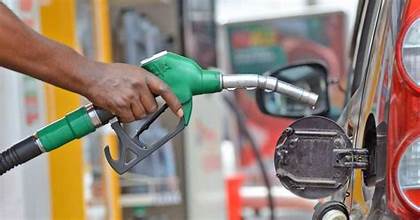

South Africa has sufficient fiscal space to extend its temporary fuel-tax relief by up to two months to cushion consumers from rising oil prices triggered by the Iran conflict, according to Citigroup Inc. The assessment comes as policymakers weigh further intervention following a one-month fuel levy cut introduced in April 2026 to ease pressure on households and businesses, as reported by Reuters.
The initial measure reduced the general fuel levy by about 3 rand per litre, with the government indicating it could explore additional support if global energy disruptions persist. Citigroup analysts noted that stronger-than-expected tax collections and improved revenue performance have provided Pretoria with limited but usable fiscal headroom to extend relief in the short term.
However, the outlook remains constrained, with Treasury officials previously cautioning that South Africa has limited fiscal buffers to sustain prolonged subsidies or tax cuts. Rising oil prices, driven by geopolitical tensions in the Middle East have already pushed up inflation risks and increased pressure on public finances in an import-dependent economy.
The potential extension highlights the delicate balance between protecting consumers and maintaining fiscal discipline. While short-term relief may soften the economic impact of the energy shock, it underscores broader structural vulnerabilities, reinforcing the need for long-term energy diversification and fiscal resilience in Africa’s most industrialised economy.