
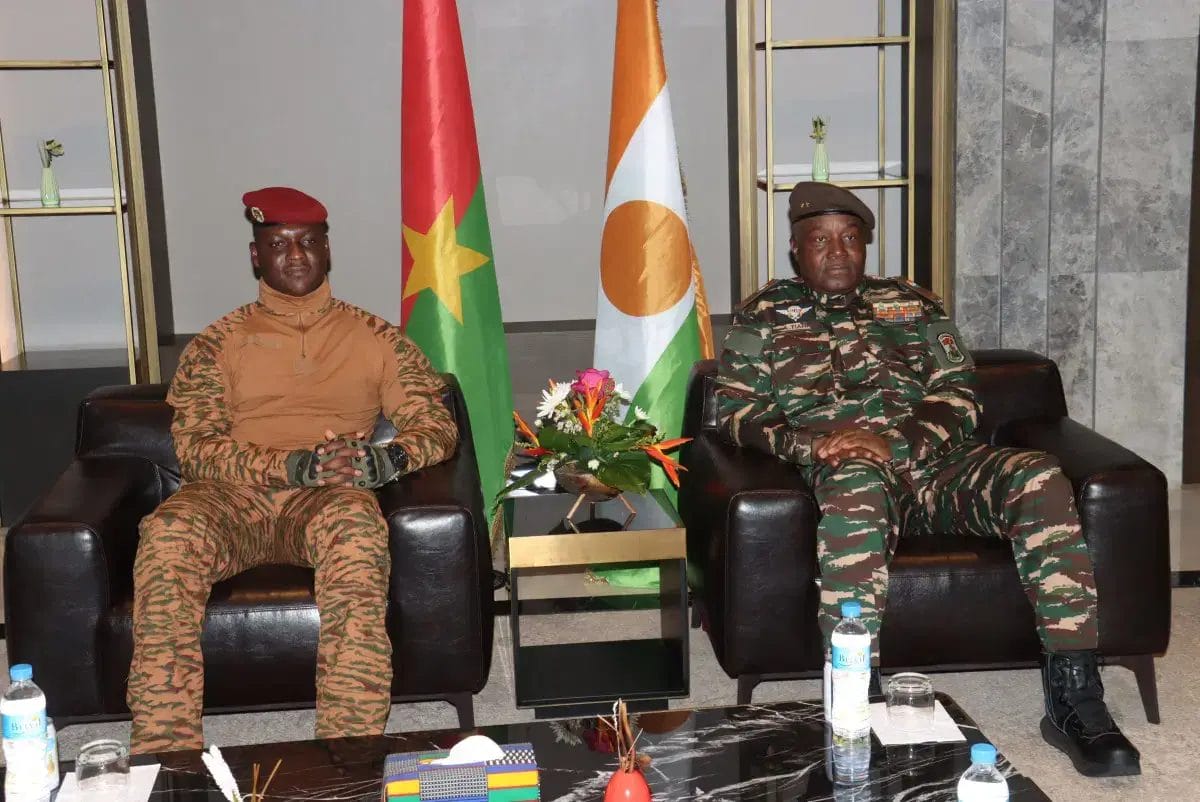

The governments of Mali, Burkina Faso, and Niger have jointly declared their withdrawal from the International Criminal Court (ICC), marking a significant break from the Hague-based institution. The announcement was made in a joint statement released late Sunday, signaling the Sahel nations’ growing pushback against what they describe as external interference in their sovereignty.
Officials from the three countries said the decision stemmed from the ICC’s alleged bias and its failure to respect Africa’s internal judicial processes. A spokesperson in Bamako told Al Jazeera that the ICC “has consistently targeted African leaders while ignoring atrocities elsewhere,” framing the withdrawal as a matter of national dignity and regional autonomy.
Legal experts highlighted in France24 that the exit could complicate accountability for war crimes and human rights abuses in the Sahel region, where conflicts involving insurgents, local militias, and national armies have intensified. Human rights groups, including Amnesty International, warned that the move could deepen impunity in one of Africa’s most unstable regions.
The ICC, established under the 2002 Rome Statute, prosecutes individuals accused of genocide, war crimes, and crimes against humanity. While several African leaders have criticized the court in the past, only Burundi and now the Sahel trio have formally withdrawn.
Regional analysts told Reuters that the joint move underlines the tightening alliance between Mali, Burkina Faso, and Niger, who have also strengthened security and economic ties since their respective military coups. The withdrawal is set to take effect one year after formal notification under ICC rules, unless the governments reverse their decision.