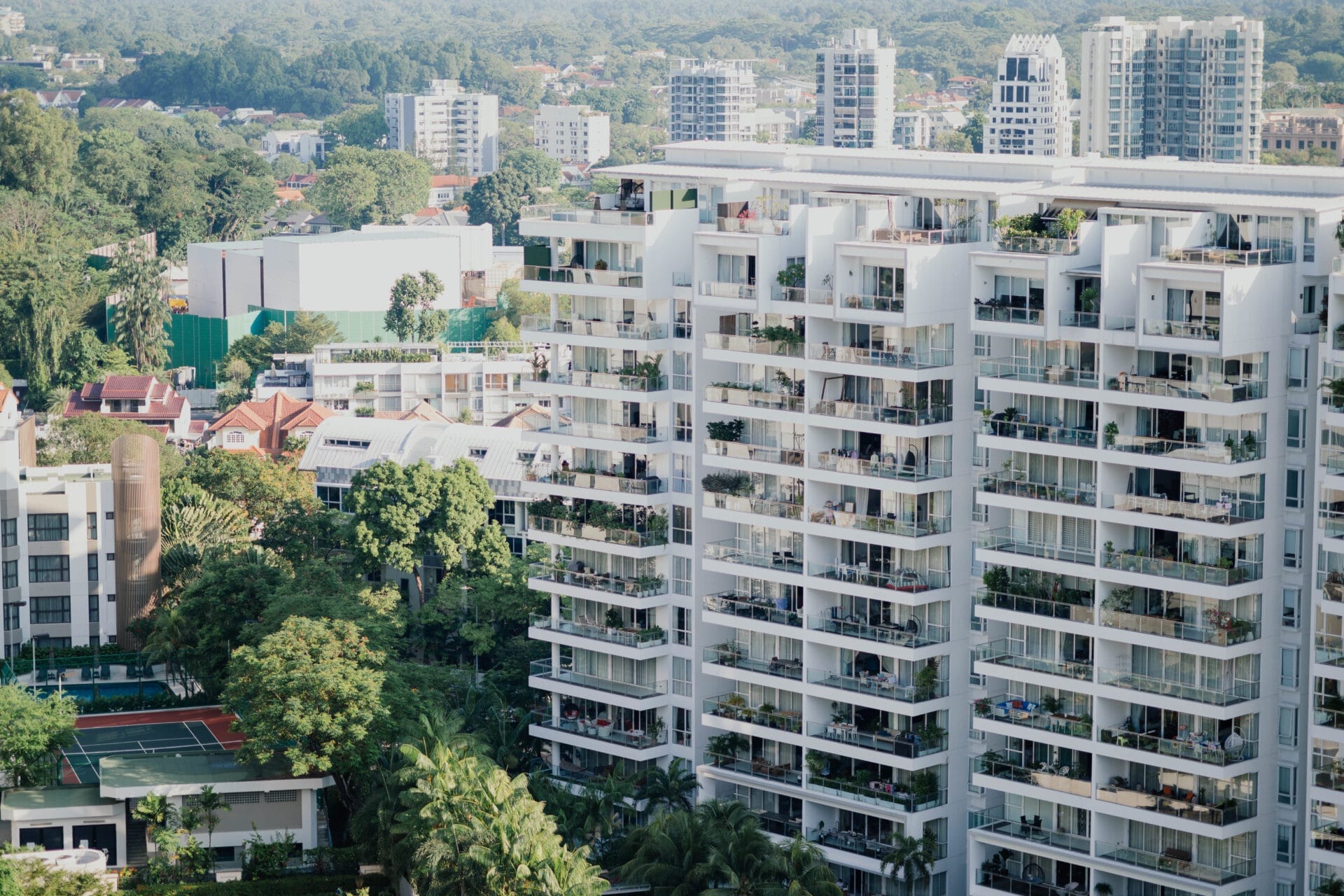

There is a subtle but definite shift taking place in Africa’s luxury residential landscape. The continent’s ultra-high net-worth individuals are looking beyond trophy residences and cookie-cutter high-rises. Instead, they are shifting their focus to a more refined, more sophisticated property class: branded homes luxury living spaces developed and managed in partnership with globally renowned luxury brands such as Four Seasons, Ritz-Carlton, and Armani.
These developments offer more than first-rate property. They are an intersection of lifestyle, heritage, and international prestige. In prime cities like Lagos, Cape Town, Accra, Nairobi, and Marrakech, branded residences are no longer the new kid on the block, they are quickly becoming the gold standard for those who understand that where you live is as important as how you live.
Branded homes provide effortless luxury, the peace of home combined with facilities and quality of services of five-star hotels. To ultra-high-net-worth individuals (UHNWIs), time is as precious as currency. The properties provide convenient living: full-service concierge, housekeeping, spas for wellness, Michelin-grade dining, private lounges, and even butler service all wrapped in an identity designed by some of the world’s most celebrated names in fashion, hospitality, and design.
The attractiveness of branded residences, however, extends far beyond beauty and comfort. The properties are fashioned as strategic wealth preservation tools. In mature global markets, such residences have surpassed traditional luxury apartments in resale value, rental return, and stability of occupancy. The African continent is no exception, as the model gains popularity among shrewd investors seeking to shield their wealth from economic uncertainty, currency fluctuations, and political realignments.
When a building is branded with a name like Bulgari or Kempinski, it not only sells faster, but it also commands a premium typically 20-30% over comparable unbranded units. To those investors seeking not just capital appreciation, but alignment with a brand, the premium is justified. The built-in brand value gives comfort to foreign buyers and diaspora investors who may not be familiar with local developers and regulatory regimes.
Also, branded residences connect personal way of life and family legacy. For many prosperous African families, property is not merely about instant opulence; it’s about safeguarding value generation after generation. Compared to typical property assets that depreciate in value or require heavy management, branded residences are managed by expert players, with the assurance that the property and all its accompanying glory is maintained over the long term. Thus, they are ideal assets for family offices and trust funds.
In Africa, where the high-end market is still embryonic and fragmented, these residences provide a vocabulary of wealth expression anew. They address a newly mobile generation of African elites who are worldly, high-end in their tastes, and strongly conscious of how space and self intersect. For this lesson, it’s less about how large the mansion is, and more about how integrated the experience is how closely the space conforms to global standards, and how successfully it speaks to one’s values and tastes.
The developers themselves are changing too. No longer fixated on volume and scale, Africa’s leading developers are making deals with global brands to build fewer but better-quality units. These innovations emphasize density of service more than square footage, so residents get more value per square meter not in size, but in bespoke experience. Private elevators, biometric security systems, gallery-level interiors, valet parking, in-residence chefs — these are no longer ideas from the sky; these are now the norms.
Clearly, there are problems. Not all African cities possess the infrastructure or readiness for investment that can support branded real estate. Inconsistencies in regulation, limited access to long-term capital, and variations in construction standards can bring roll-out to a stop. But the longer-term trajectory is positive. In those cities where wealth is growing and foreign investment is pouring in, branded residences will be the norm.
The luxury brand residence trend is also changing African cities socially. These are mini-communities of influence drawing investors, diplomats, entrepreneurs, and creatives to a single address. They are modern-day enclaves where networking and intimacy converge and result in unstoppable partnerships and opportunity far beyond real estate.
For the sophisticated investor, the question is now no longer whether branded residences will succeed in Africa. The question now is: how quickly can you get in and where?
The coming decade will be dominated by people who understood that property is not simply land, bricks, and yields. It is experience, access, and identity. Branded residences provide all three — in a product that is future-proof, but intensely personal.