
Pressdia Ad

Kenya posts steady 4.6% economic growth in 2025 amid sector resilience

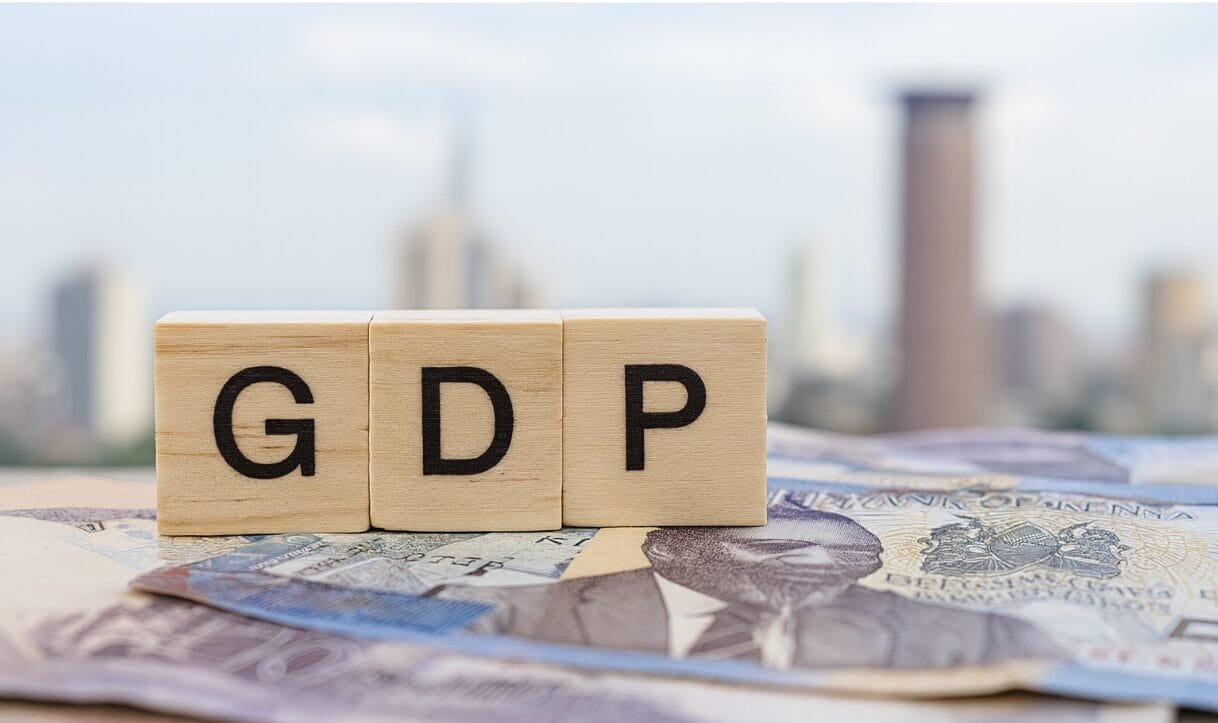
Kenya recorded economic growth of 4.6% in 2025, reflecting steady expansion despite global and domestic pressures, according to official data released in April 2026. The figures highlight resilience across key sectors including agriculture, financial services, and construction, as reported by Reuters.

The growth rate marks a slight moderation from 5.6% in 2024, largely due to weaker performance in manufacturing and the lingering effects of high interest rates and currency pressures. However, strong agricultural output supported by improved weather conditions, helped stabilise overall economic activity, as highlighted by Reuters.

Services continued to play a major role in sustaining growth, with finance, transport, and ICT sectors showing consistent expansion. Government officials also pointed to infrastructure investment and public spending as contributing factors to economic stability during the year.

Despite the steady performance, challenges remain. Inflationary pressures, elevated debt levels, and external risks tied to global commodity prices continue to weigh on the outlook. Analysts say maintaining growth momentum will depend on fiscal discipline, investment inflows, and continued sector diversification.


Pressdia Ad

Subscribe to Newsletter

Get the latest in luxury, business, and elite trends—subscribe now!

Pressdia Ad

Subscribe

Latest Posts

Japan’s Anime Industry Hits Record $28.5 Billion as Overseas Demand Drives Growth

Japan’s anime industry generated a record ¥4.49 trillion, approximately $28.5 billion,...

Criminal Minds to Conclude With 20th Season on Paramount+ in 2027

Paramount+ has announced that Criminal Minds: Evolution will conclude with its...

Rostam Aziz’s Taifa Group to Develop Tanzania Gold Mine in $23 Million Financing Deal

Taifa Group, the conglomerate controlled by Tanzanian billionaire Rostam Aziz, is...

Femi Otedola Pledges Additional $2.1 Million to Complete Augustine University Engineering Faculty

Nigerian billionaire businessman and philanthropist Femi Otedola has pledged an additional...

OPay Withdraws $304 Million New York IPO Hours After Pricing, Citing Regulatory Inquiry

Chinese billionaire Yahui Zhou’s Nigeria-focused fintech, OPay, has withdrawn its planned...

Cameroon’s SONARA Signs 30-Month Fuel Supply Agreement With Dangote Group

Cameroon’s state-owned oil refining company, Société Nationale de Raffinage, known as...

Moelle Zavian Celebrating Modern Femininity Through Contemporary African Luxury

Founded by Nigerian designer Doyinsola Ogbeifun, Moelle Zavian is a contemporary...

Busua Bliss A Sustainable Retreat Surrounded by Nature in Ghana

Set in the coastal village of Busua in Ghana’s Western Region,...

CANEX WKND 2026 to Bring Africa’s Creative Industries Together in Lagos

Lagos will host the 2026 edition of Creative Africa Nexus Weekend...

Related Posts

Rostam Aziz’s Taifa Group to Develop Tanzania Gold Mine in $23 Million Financing Deal

Taifa Group, the conglomerate controlled by Tanzanian billionaire Rostam...

Cameroon’s SONARA Signs 30-Month Fuel Supply Agreement With Dangote Group

Cameroon’s state-owned oil refining company, Société Nationale de Raffinage,...

South Africa’s Absa Opens First Gulf Office in Dubai to Connect Capital With African Markets

Absa Group, one of South Africa’s largest financial institutions,...
Samuel Oluwamayomikun
Samuel Oluwamayomikun is the Editor in Chief and Lead Copywriter at Empire Magazine Africa, where he leads editorial direction and shapes compelling narratives across business, culture, leadership, and African excellence. With a sharp eye for storytelling and strategic communication, he oversees content development, brand voice, and high impact features that position individuals and organisations with clarity and influence. His work sits at the intersection of journalism, brand storytelling, and editorial strategy, ensuring every piece published aligns with Empire Magazine Africa’s standard of depth, credibility, and cultural relevance

LEAVE A REPLY

Please enter your comment!
Please enter your name here