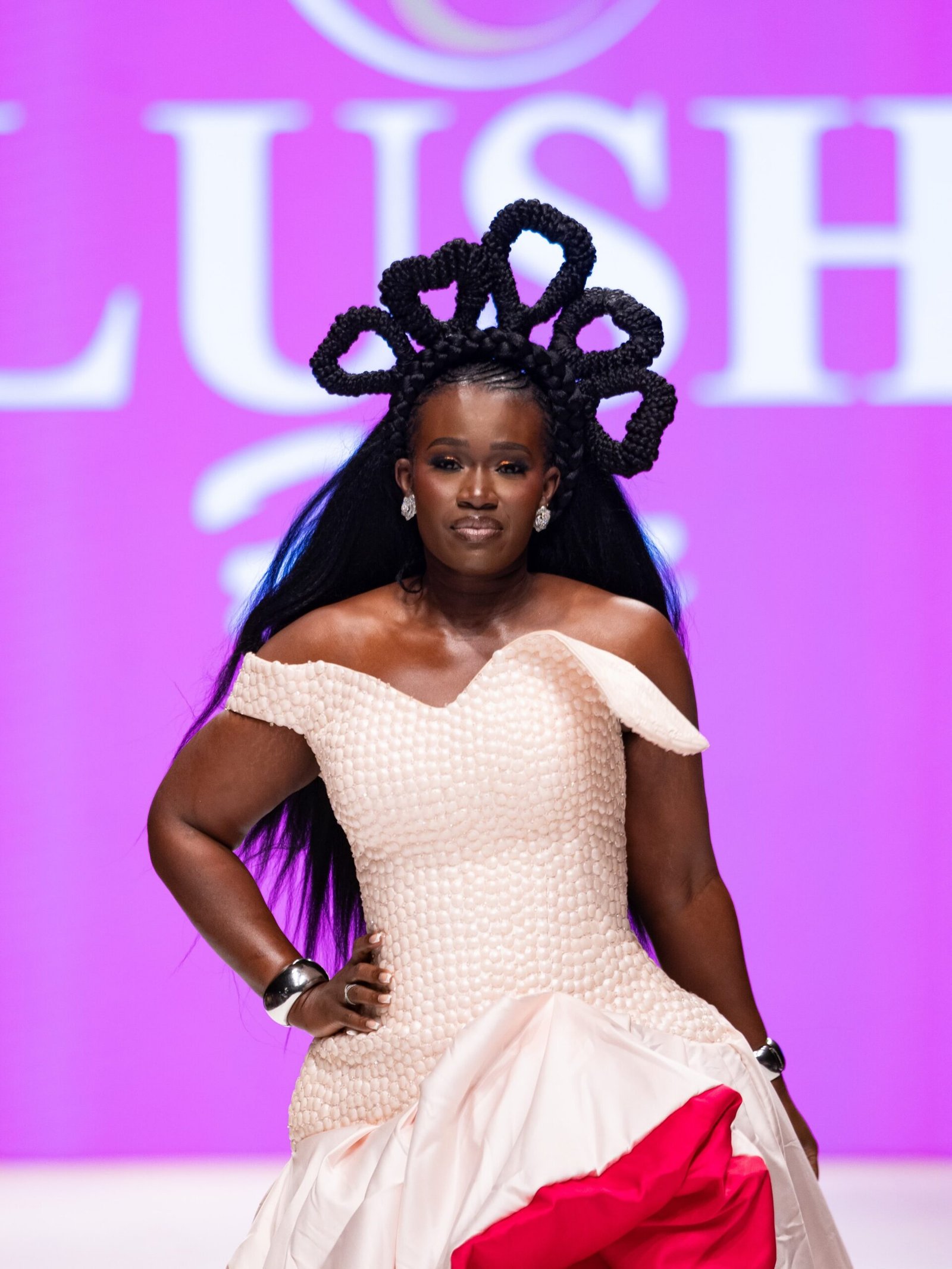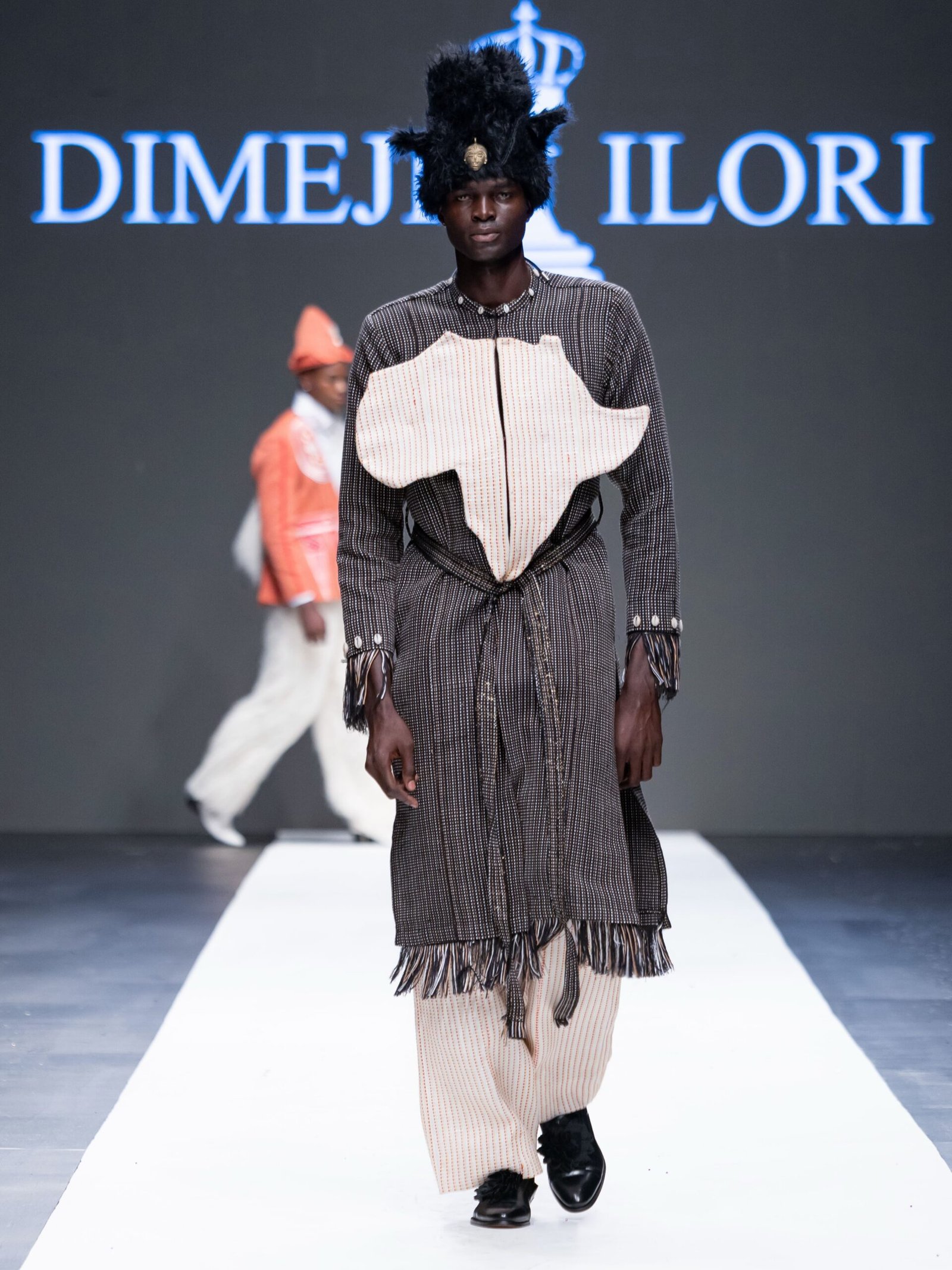
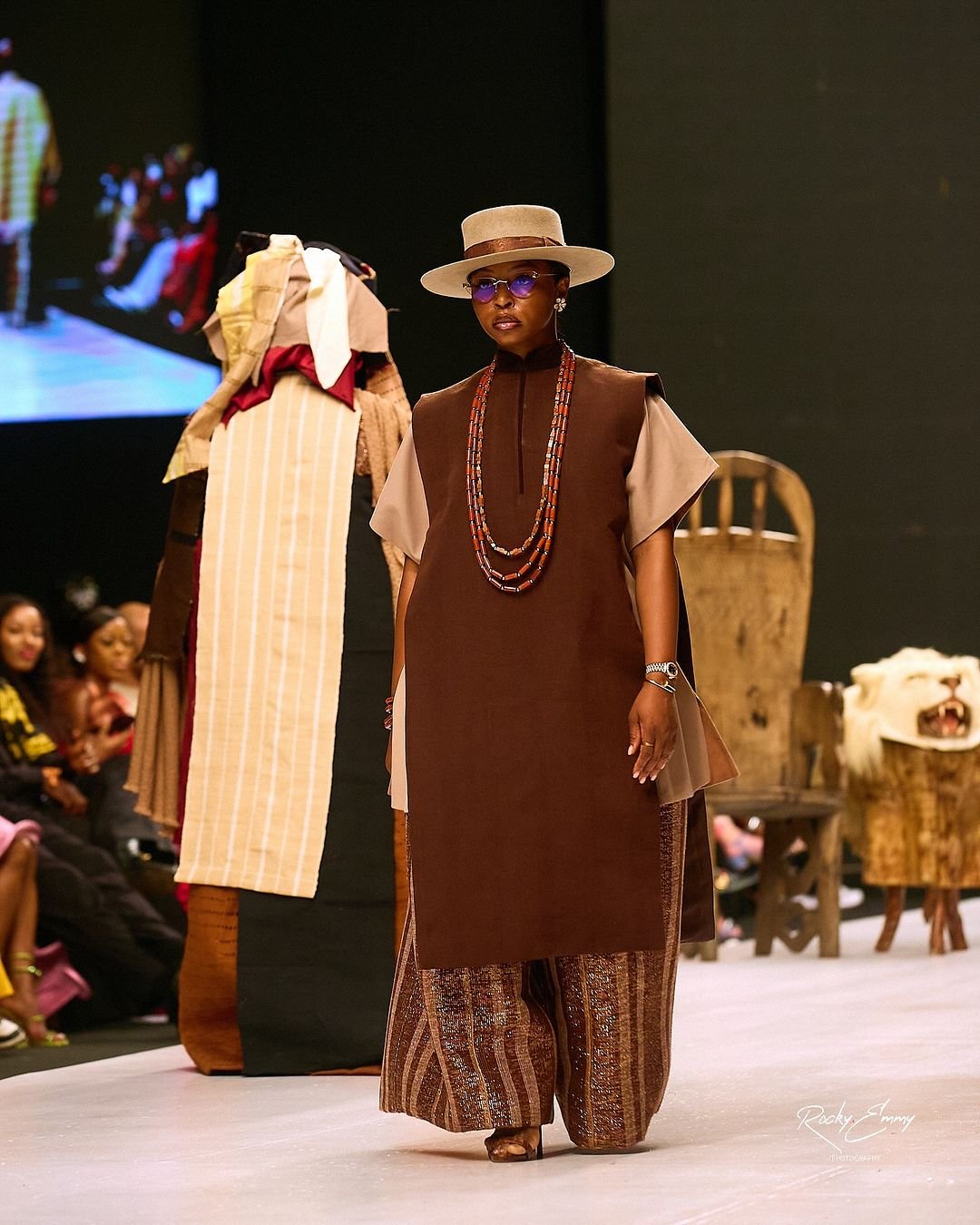

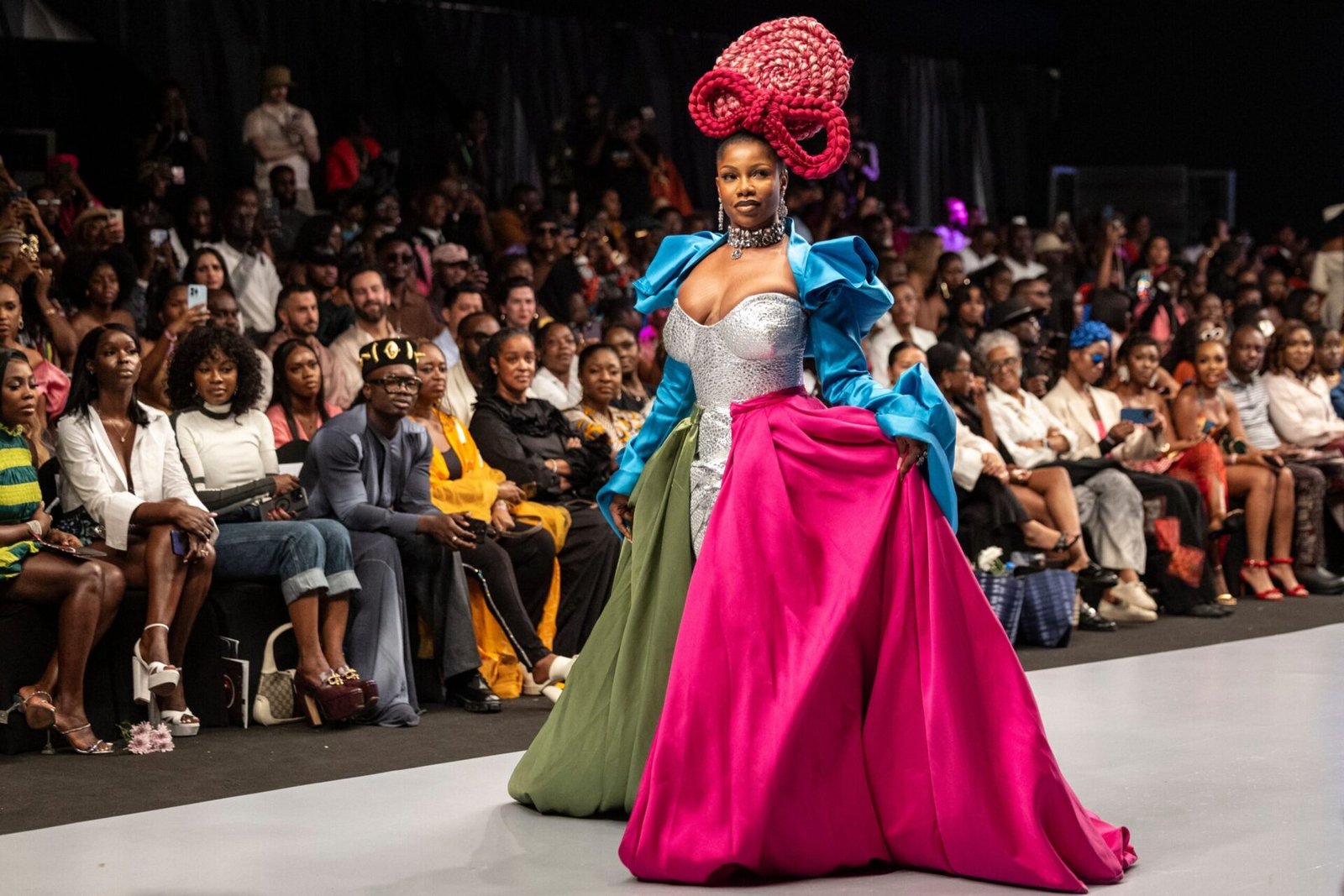
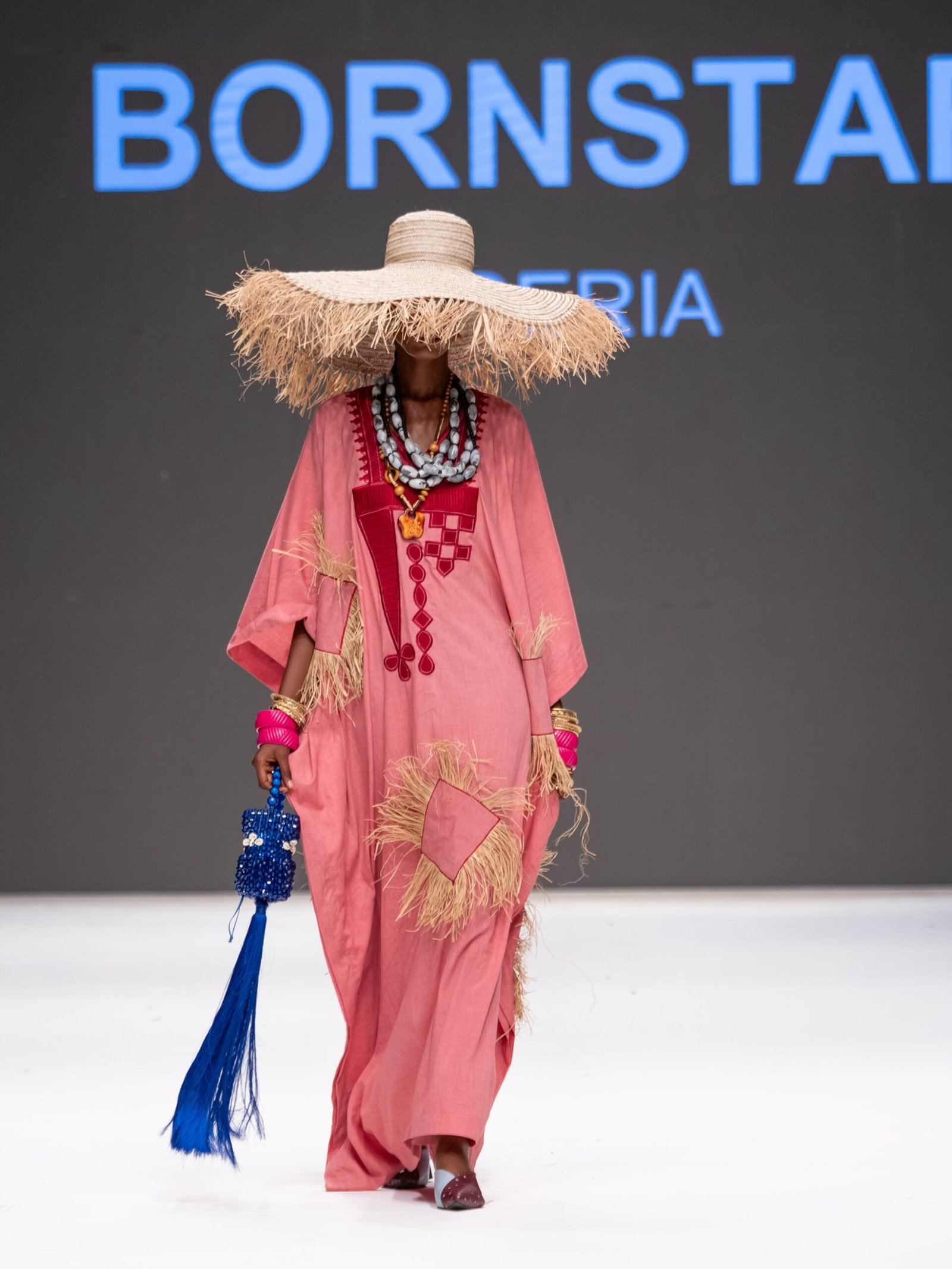
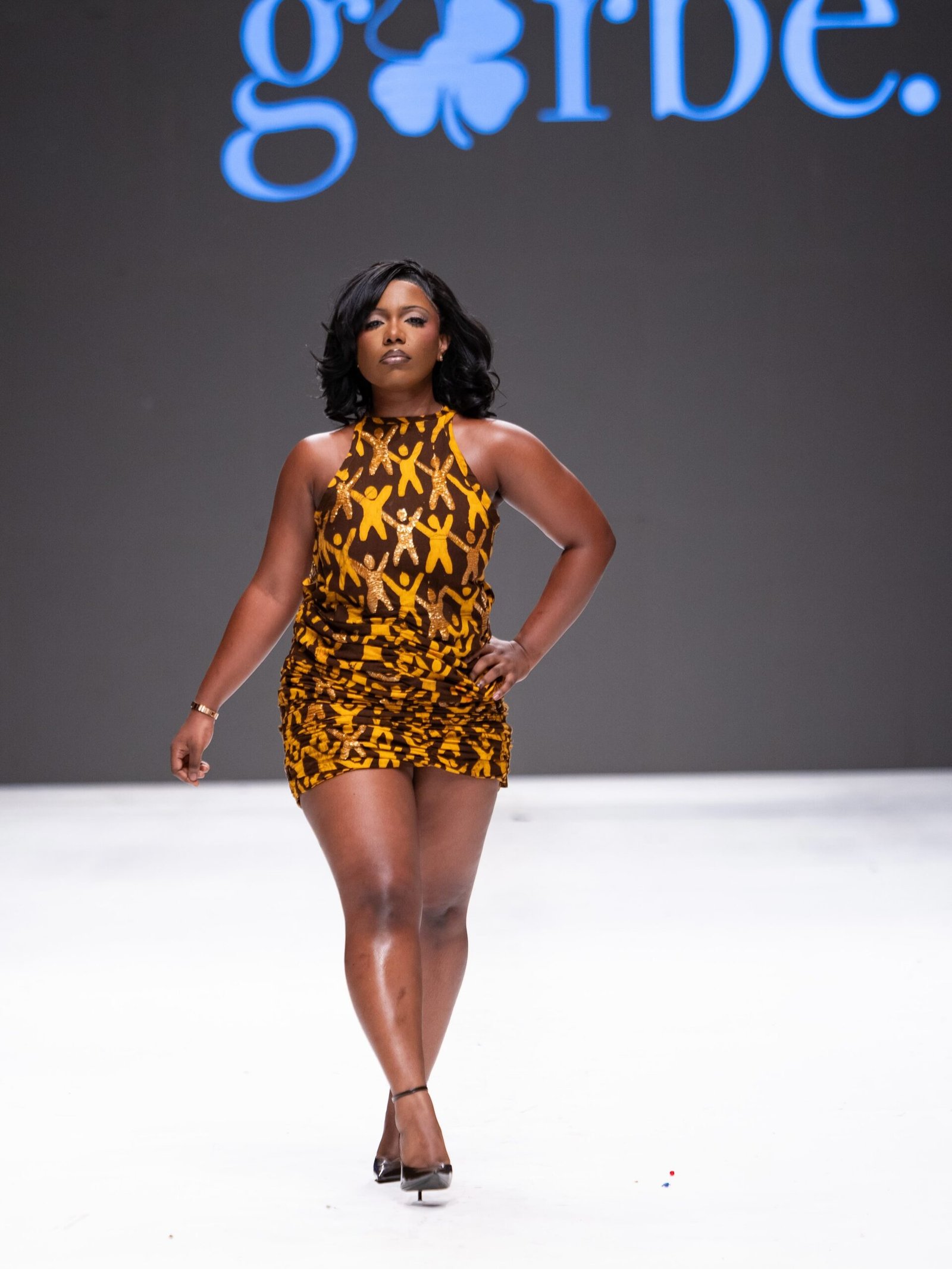
Founded in 2011 by Omoyemi Akerele, Lagos Fashion Week has evolved into one of Africa’s leading fashion platforms, bringing together designers, retailers, industry professionals, media and fashion enthusiasts to showcase the continent’s creative talent and strengthen its position in the global fashion economy.
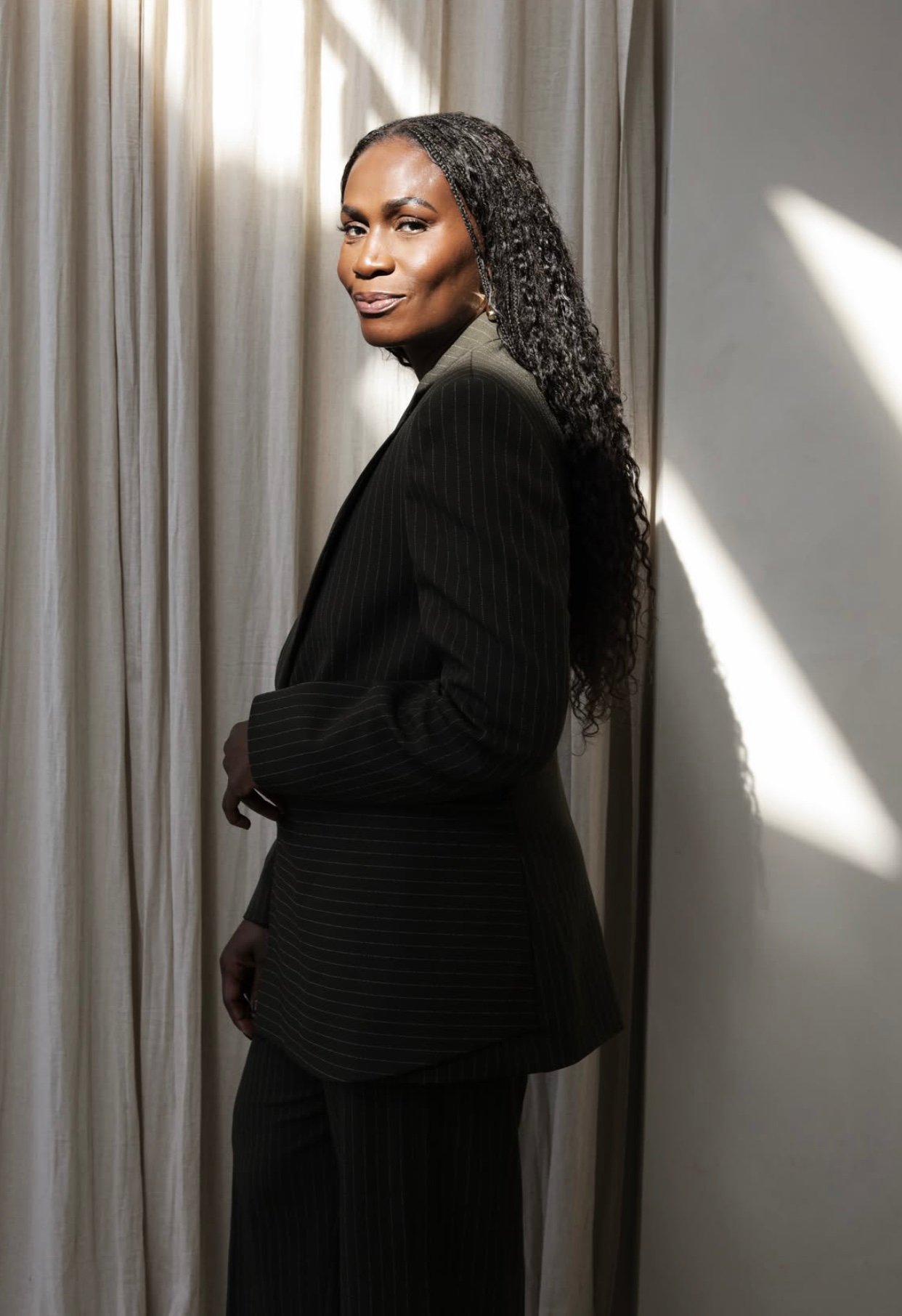
The 2026 edition, held from October 28 to November 1 at the Federal Palace Hotel, Victoria Island, Lagos, explored the theme “CRAFTED: Heritage. Innovation. Circular Futures.” Through runway presentations, designer showcases and industry conversations, this year’s edition celebrated African craftsmanship while examining the future of fashion.
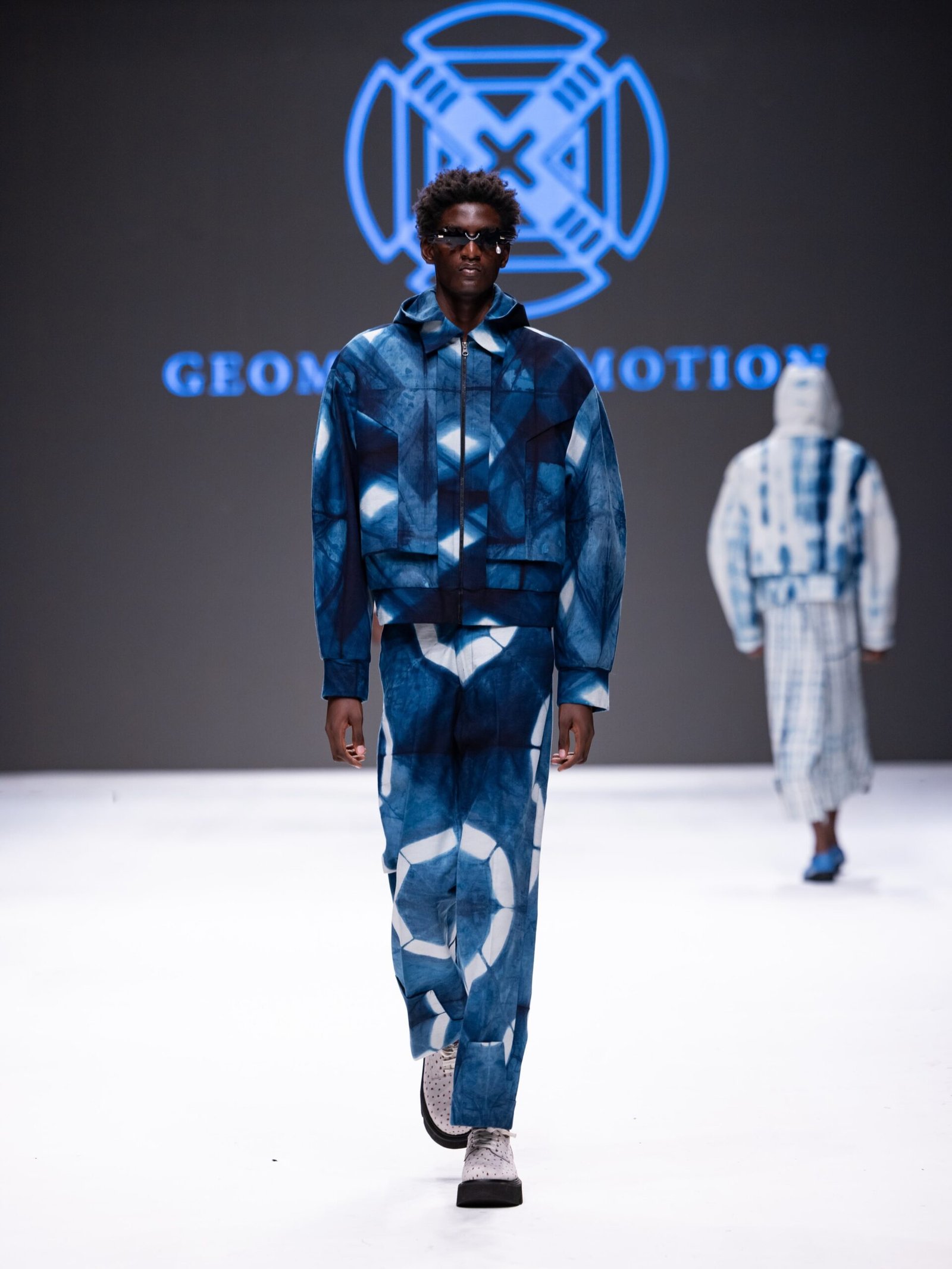
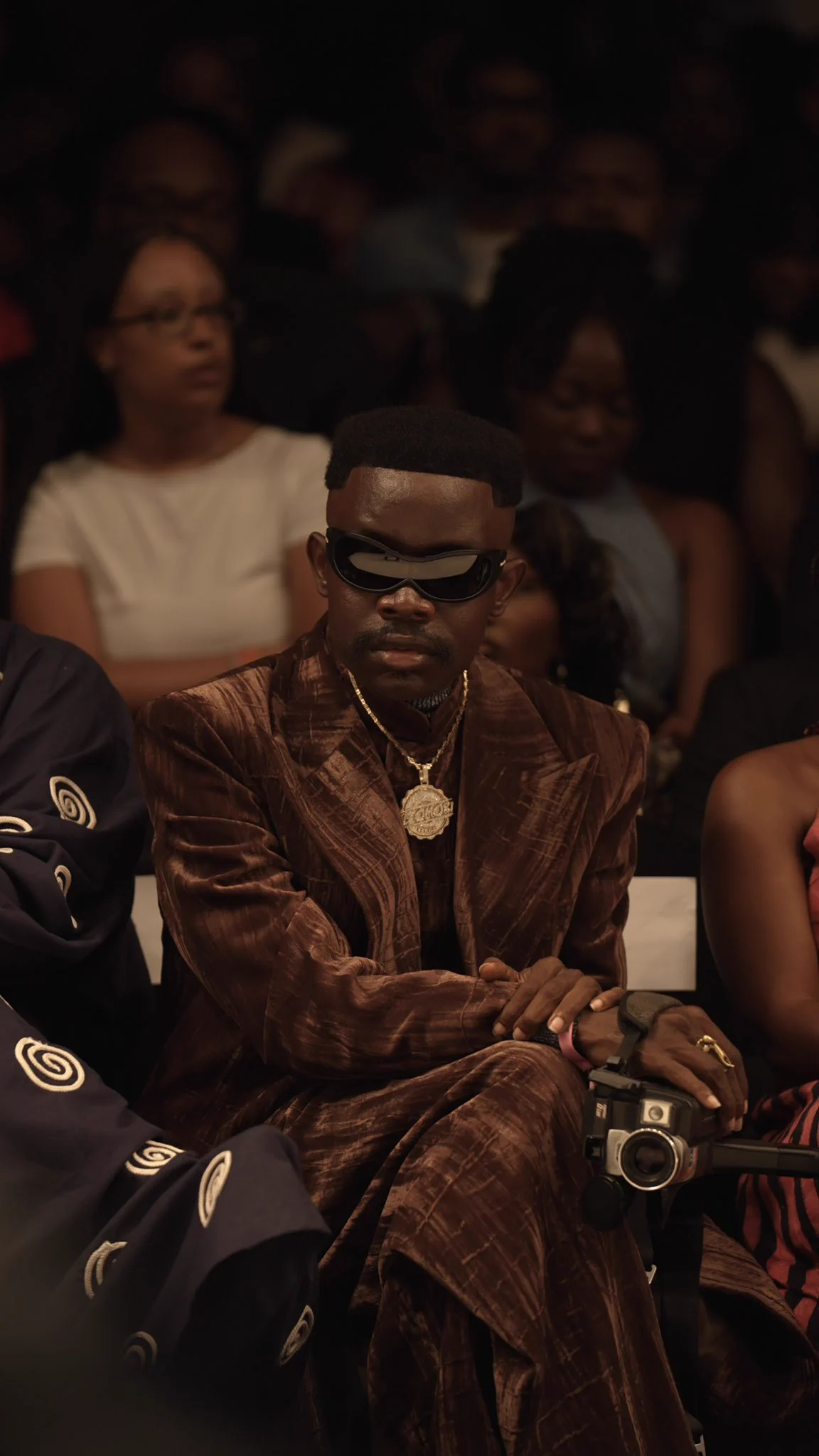
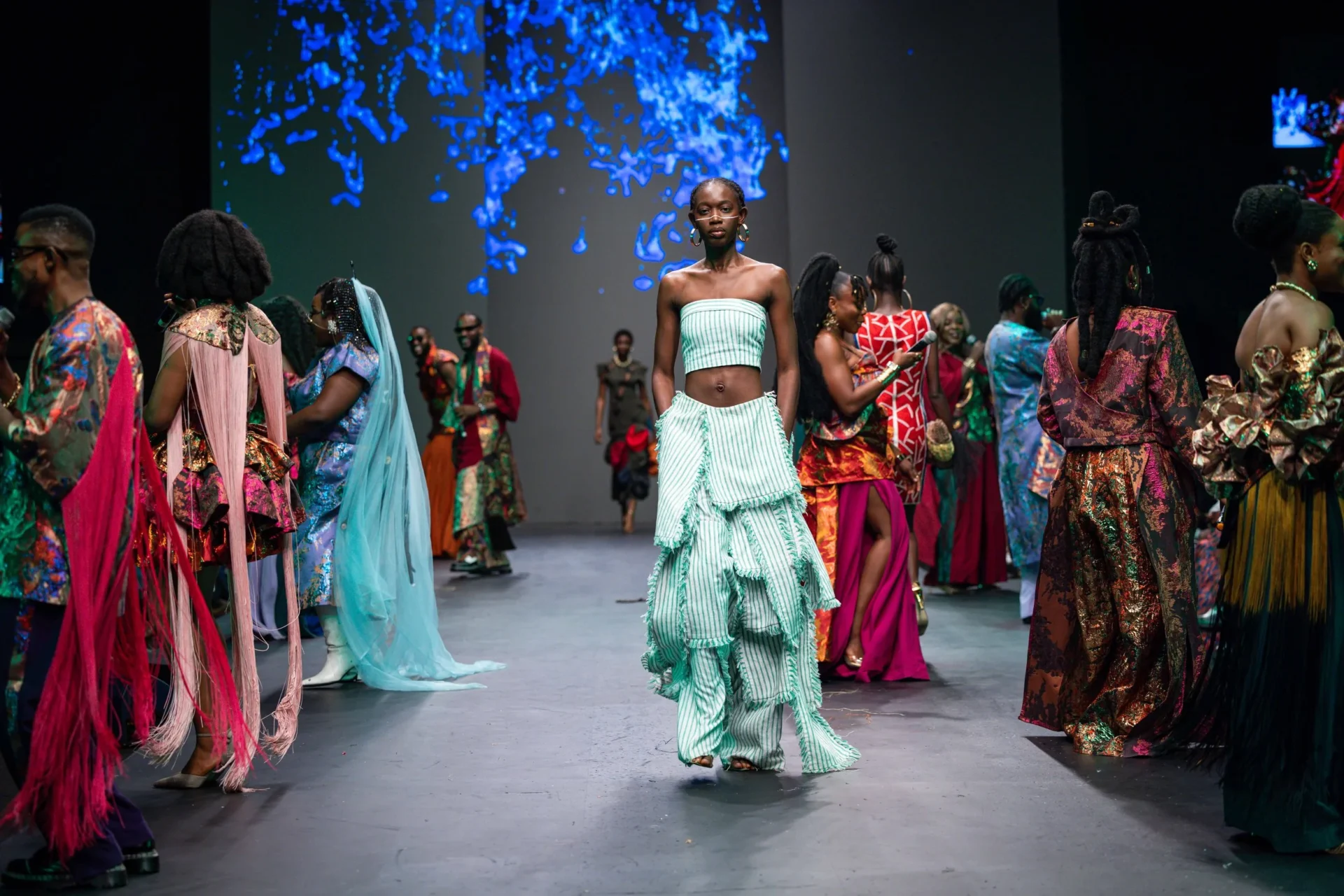
Here are some of the defining highlights and moments.
1. A Pan-African Celebration of Design
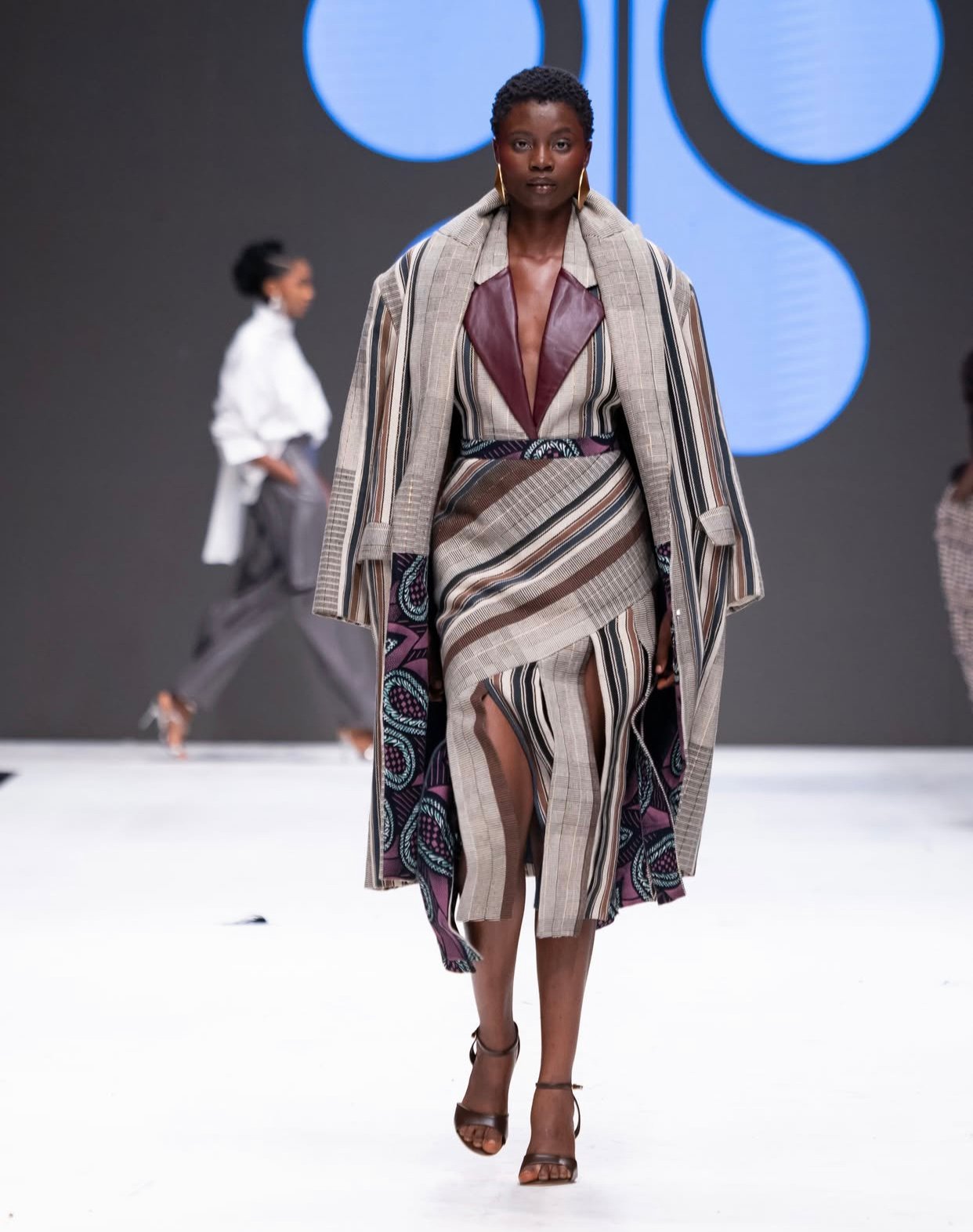
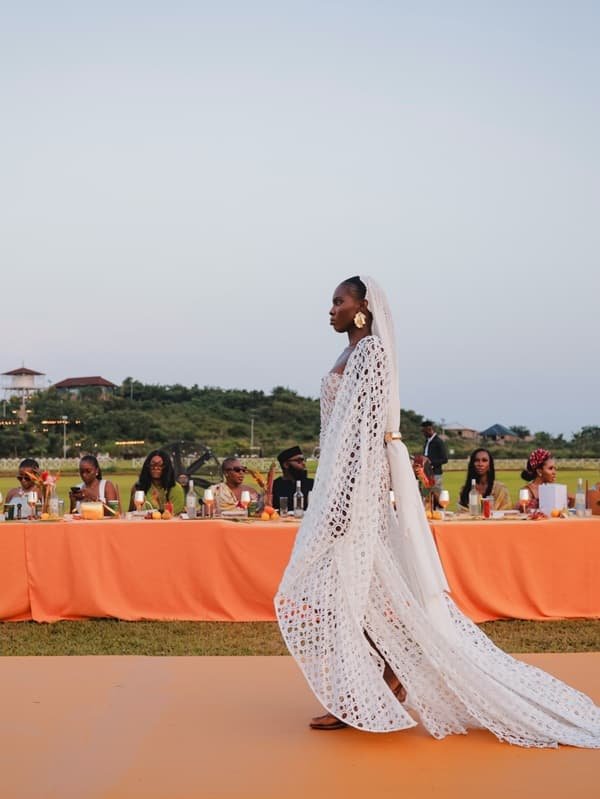
The runway welcomed designers from across the continent, reinforcing Lagos Fashion Week’s position as a platform for African fashion beyond geographical boundaries. Among the notable highlights was the return of Ghanaian luxury fashion label Christie Brown after an eight-year absence, alongside South Africa’s Imprint South Africa.
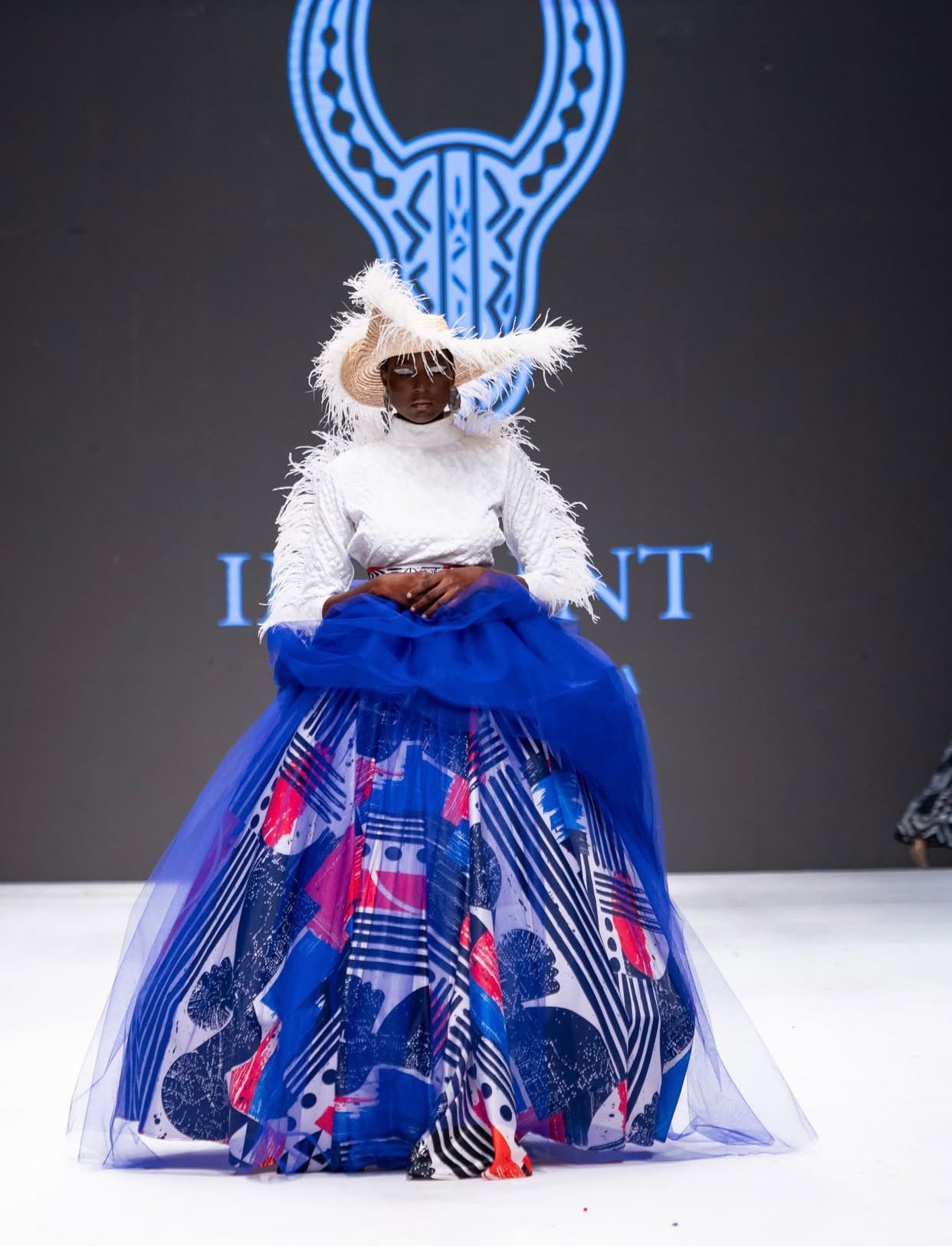
2. A Showcase of African Creative Excellence
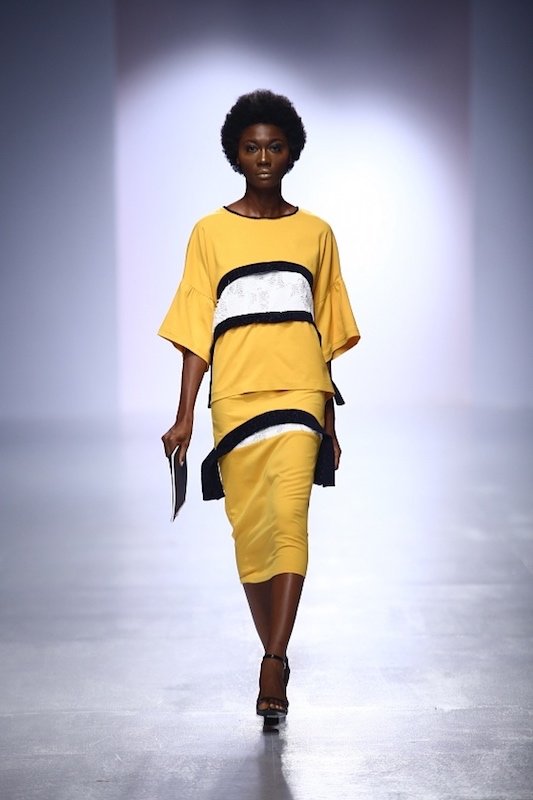
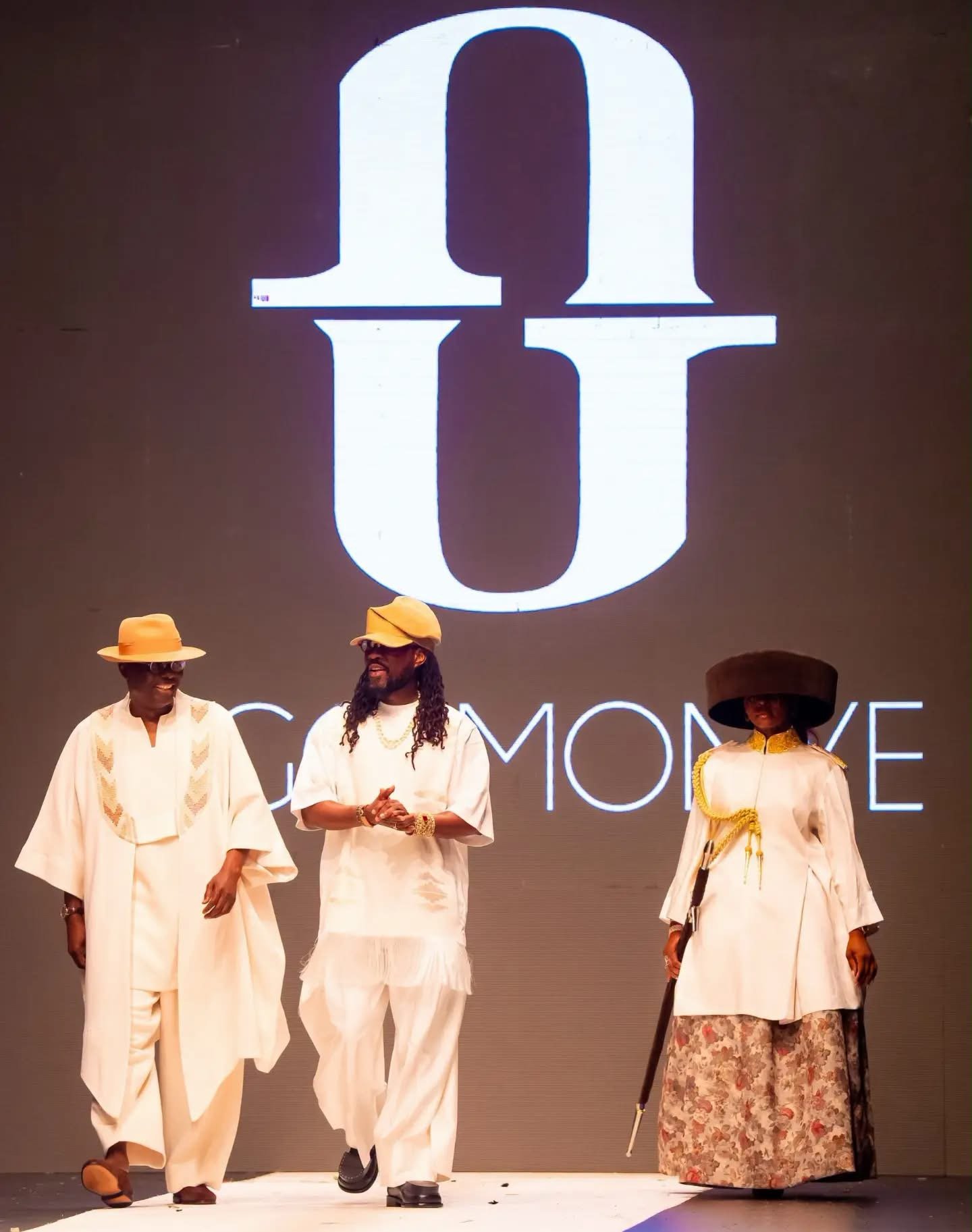
Several established and emerging labels presented their latest collections, including BOYEDOE, Hertunba, Maliko, Desiree Iyama, Bridget Awosika, OSHOBOR, PEPPER ROW, Ajanéé, Fruché, Ugo Monye, HOLY ONE and STUDIO NAMNYAK, among others.
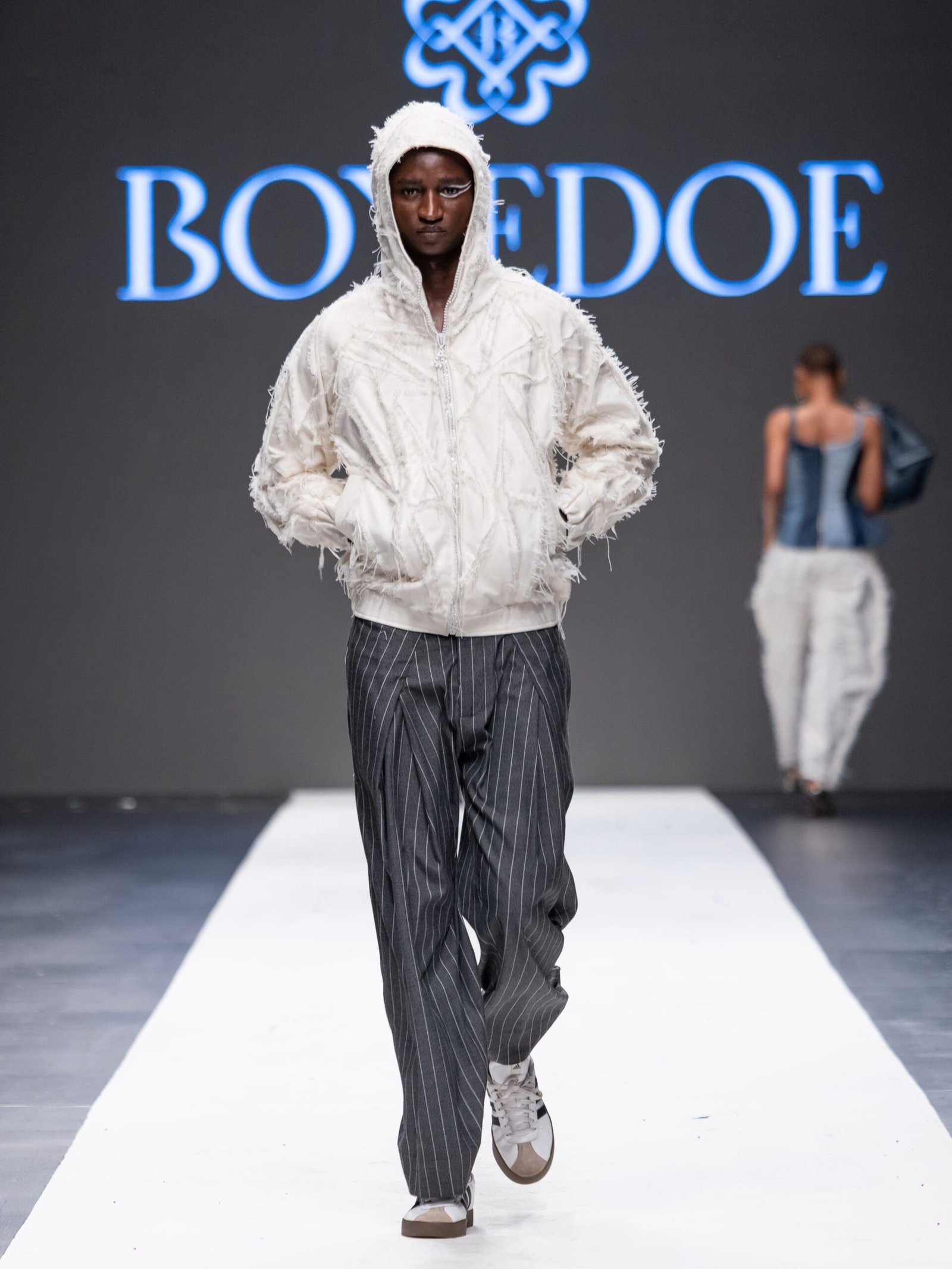
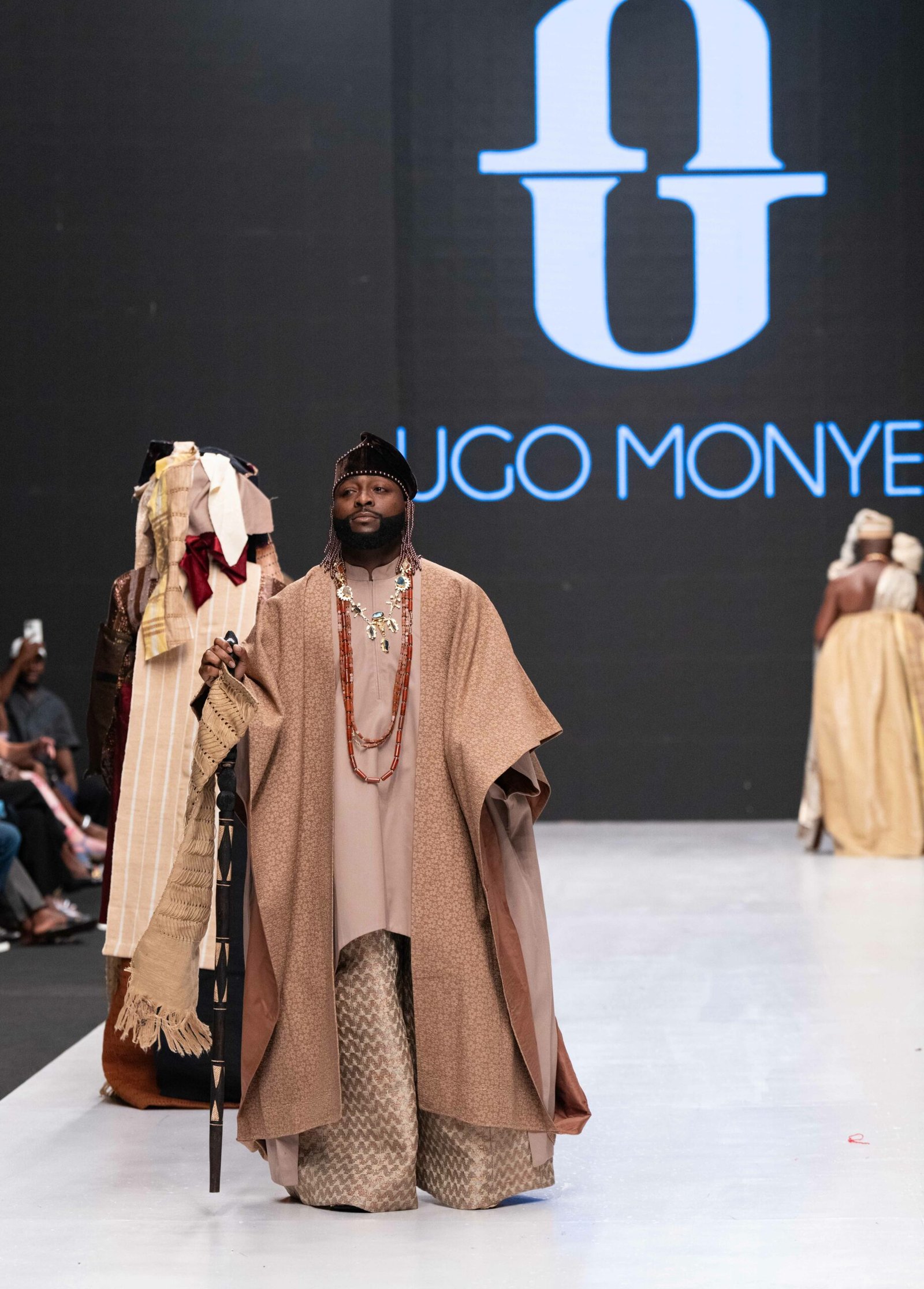
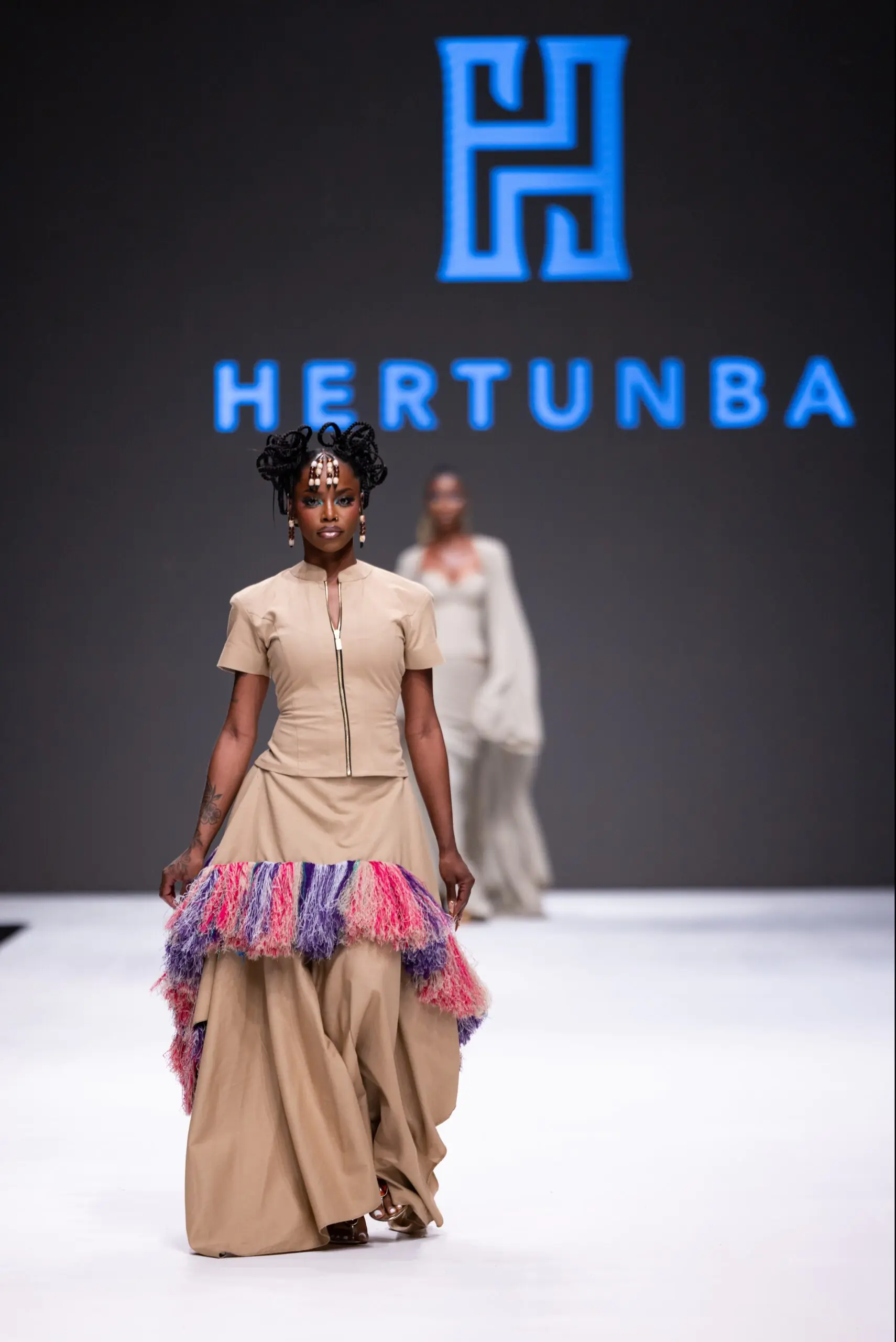
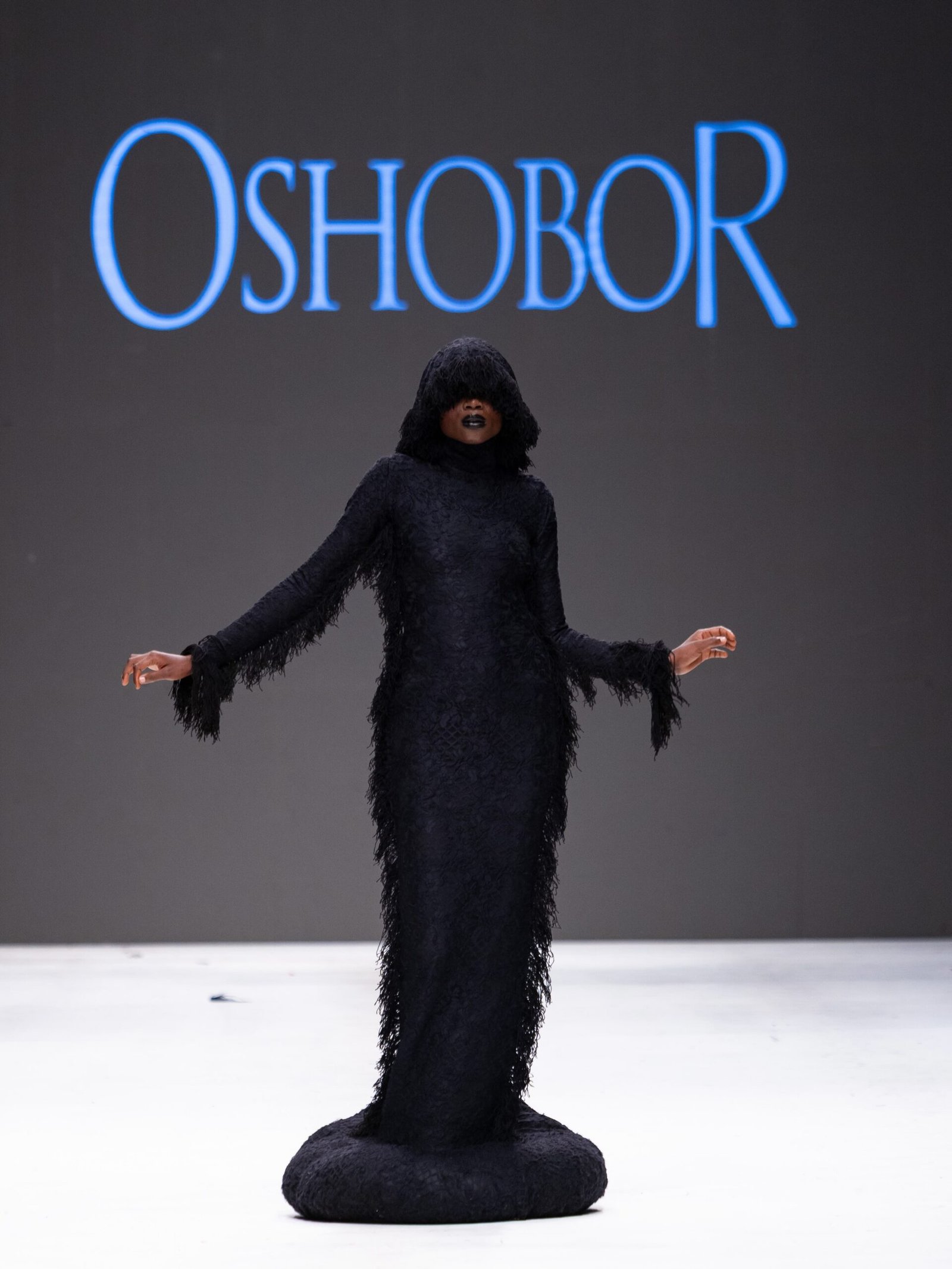
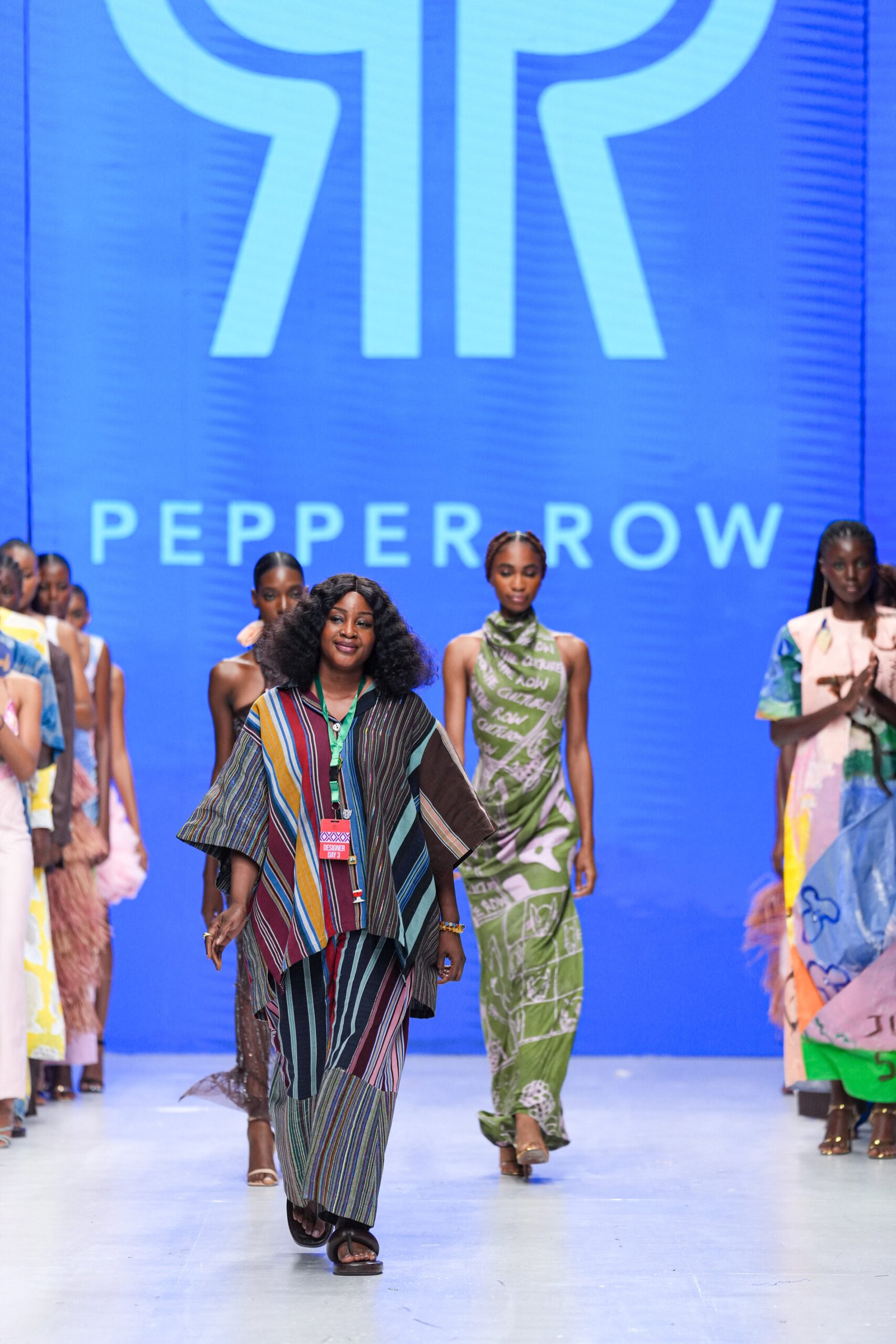
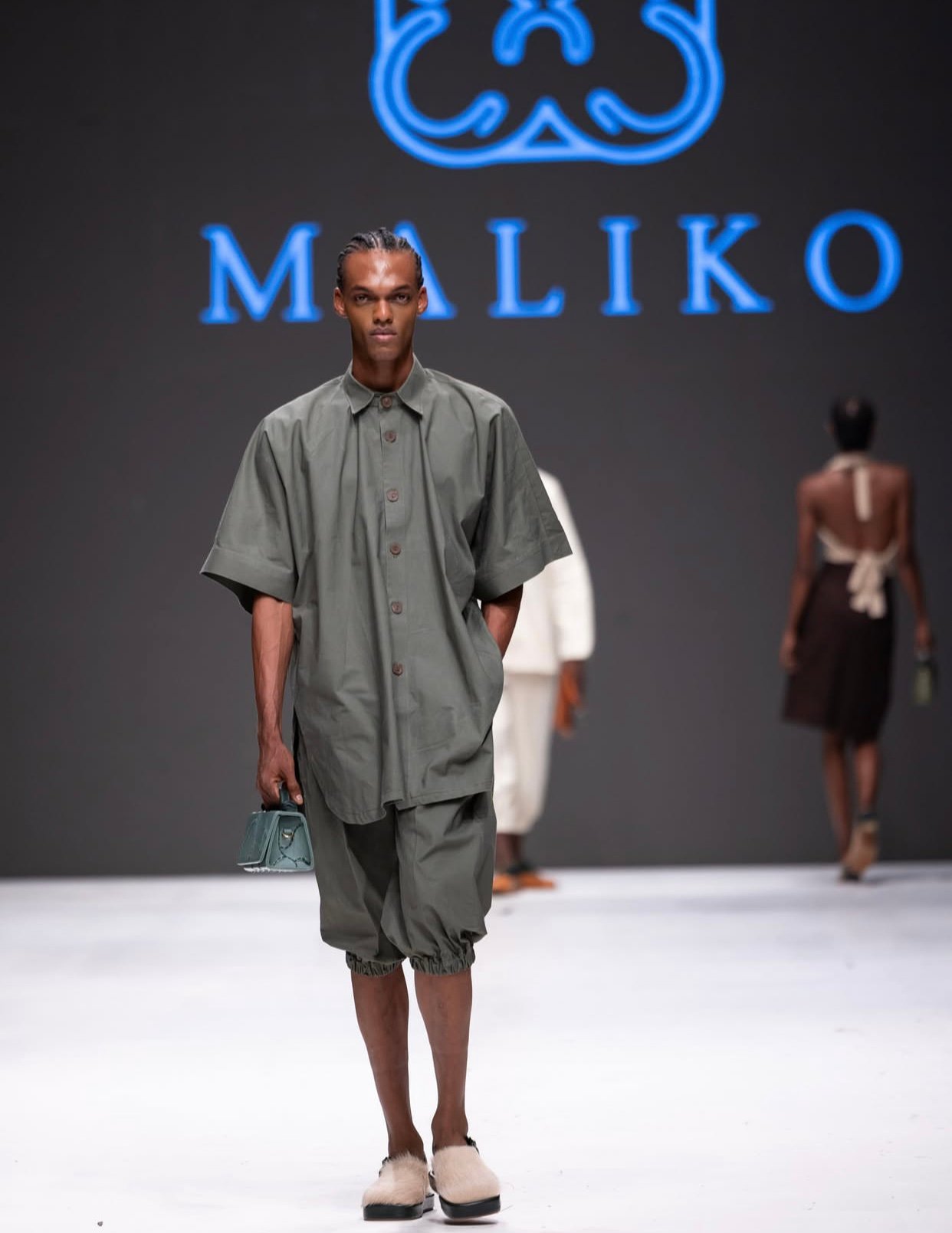
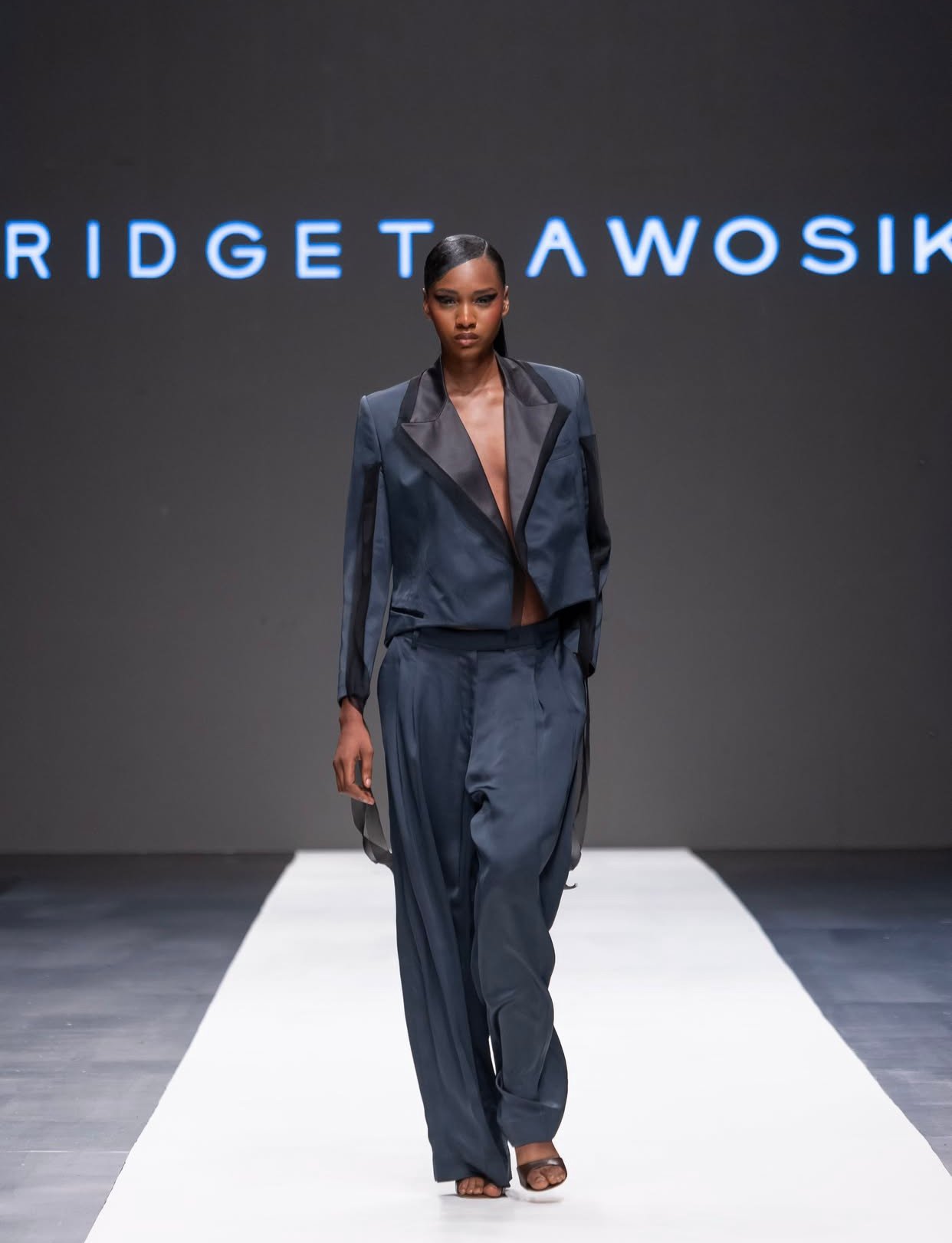
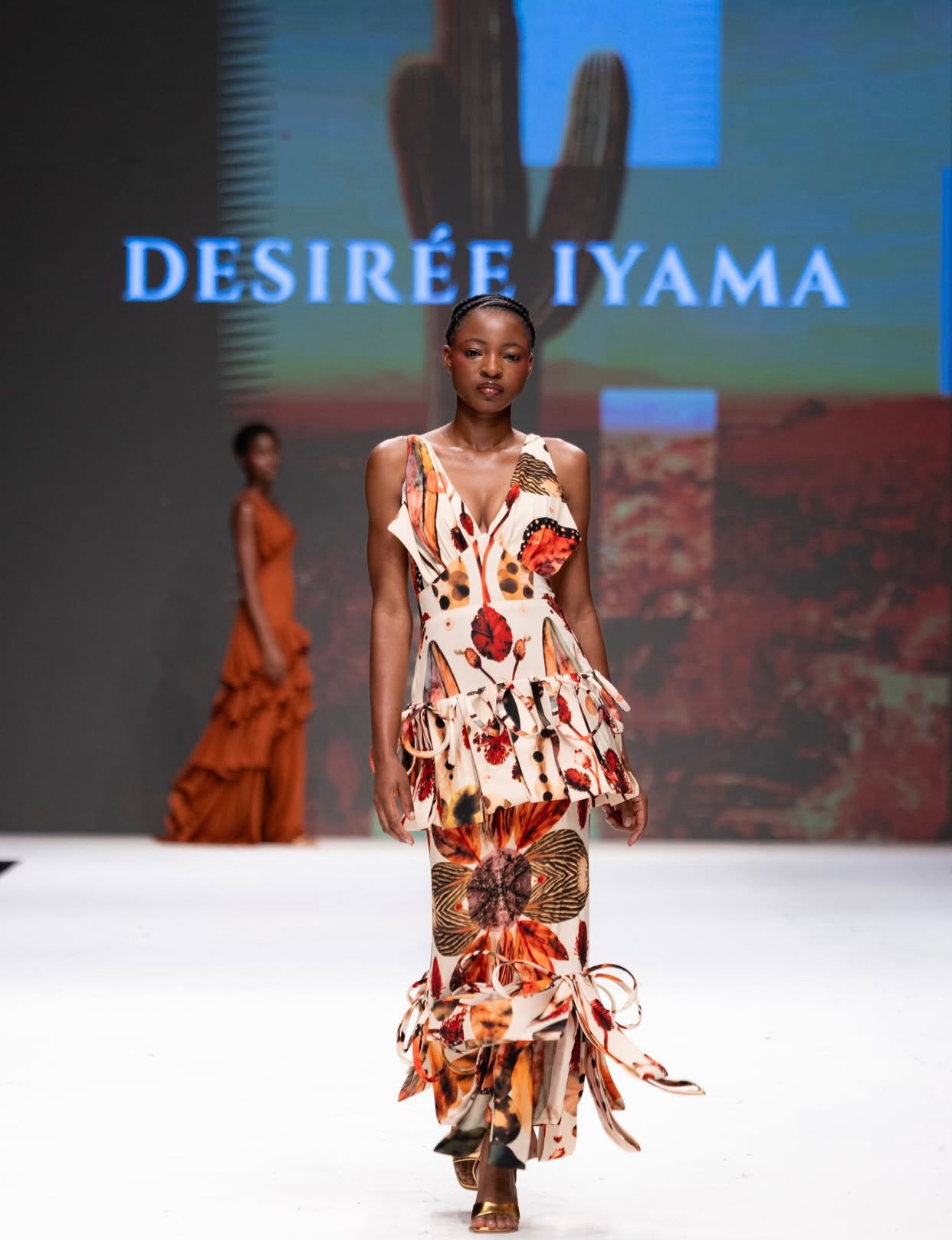
Their presentations reflected the diversity of African design, spanning contemporary ready-to-wear, luxury fashion, craftsmanship and experimental silhouettes.
3. Exclusive Off-Site Runway Presentations
Beyond the main showcase, several designers and fashion houses hosted intimate off-site presentations, creating more personalised experiences around their collections.
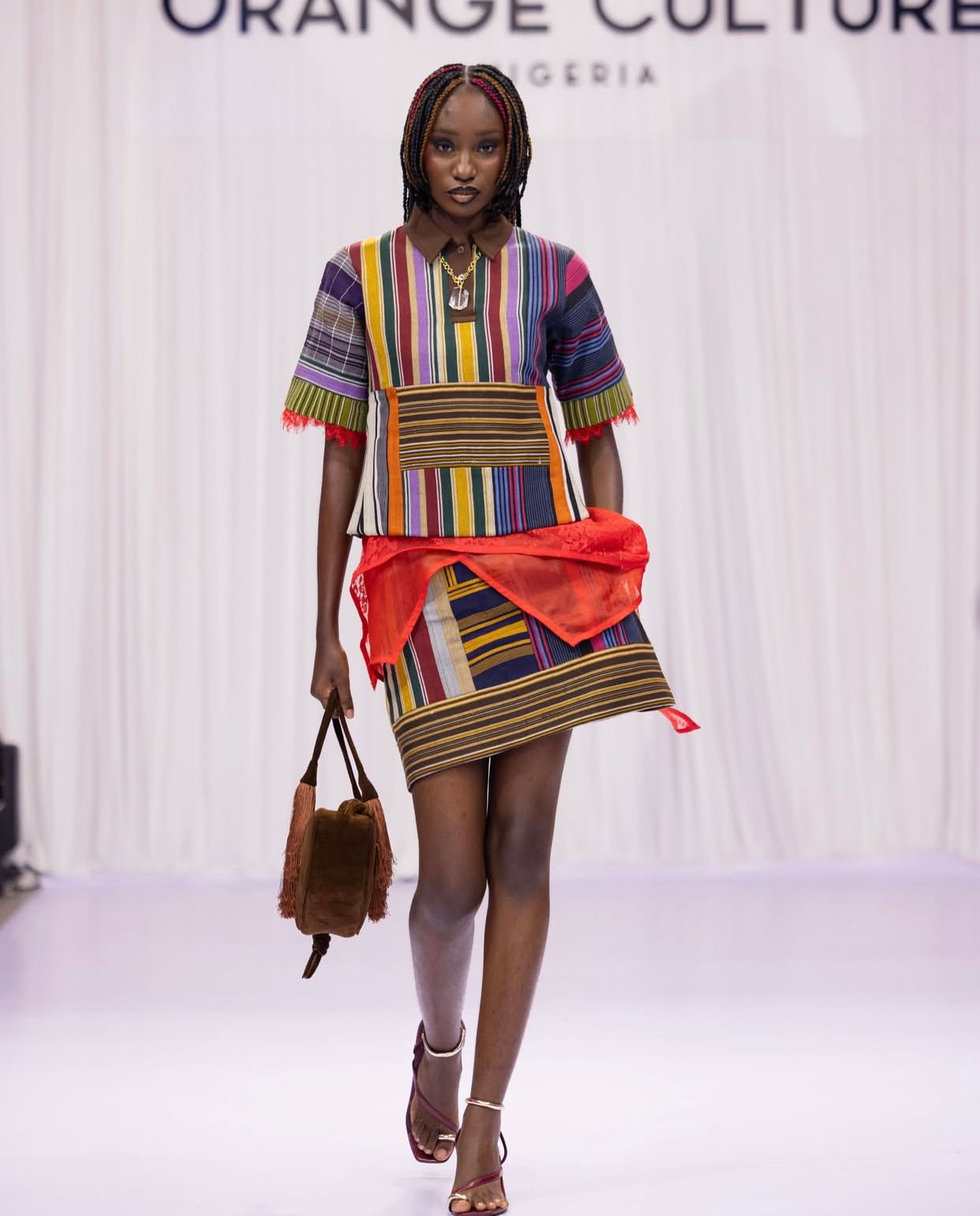
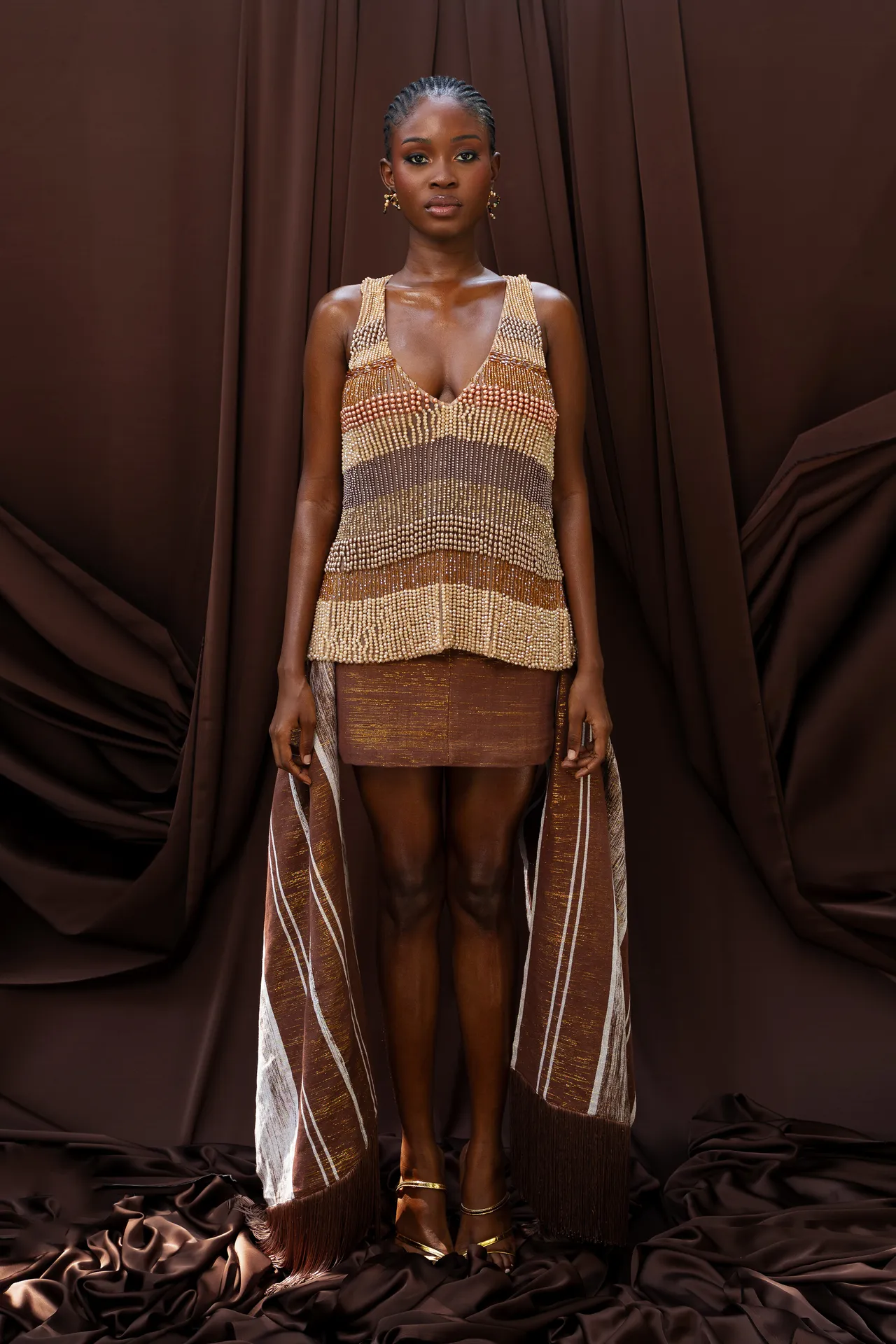
Participating labels included Andrea Iyamah, KILENTAR, IAMISIGO, ORIRE, SISIANO, GOZEL GREEN, Lisa Folawiyo and Orange Culture, alongside the ALARA x Emmy Kasbit collaboration.
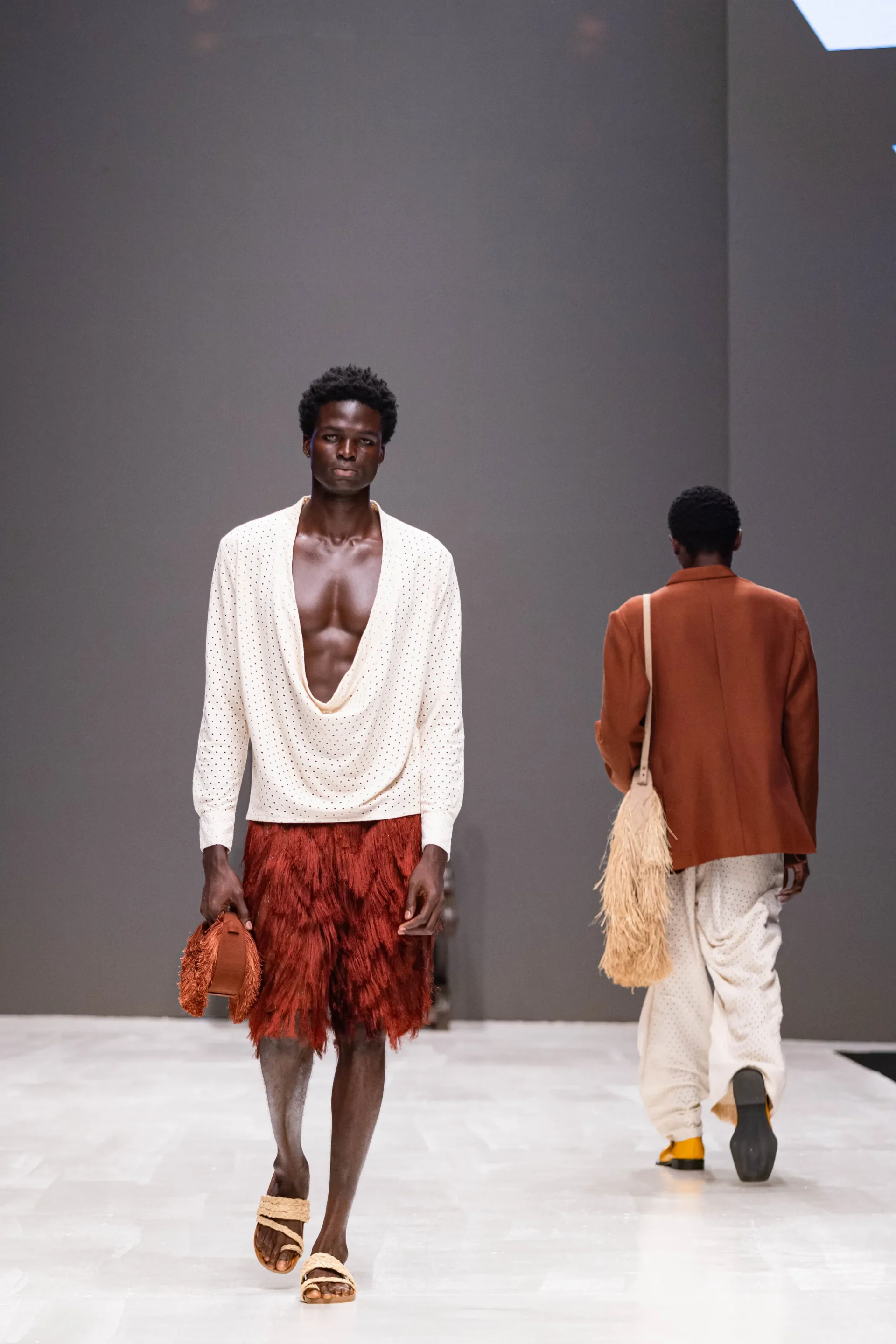
4. Conversations Shaping the Future of African Fashion
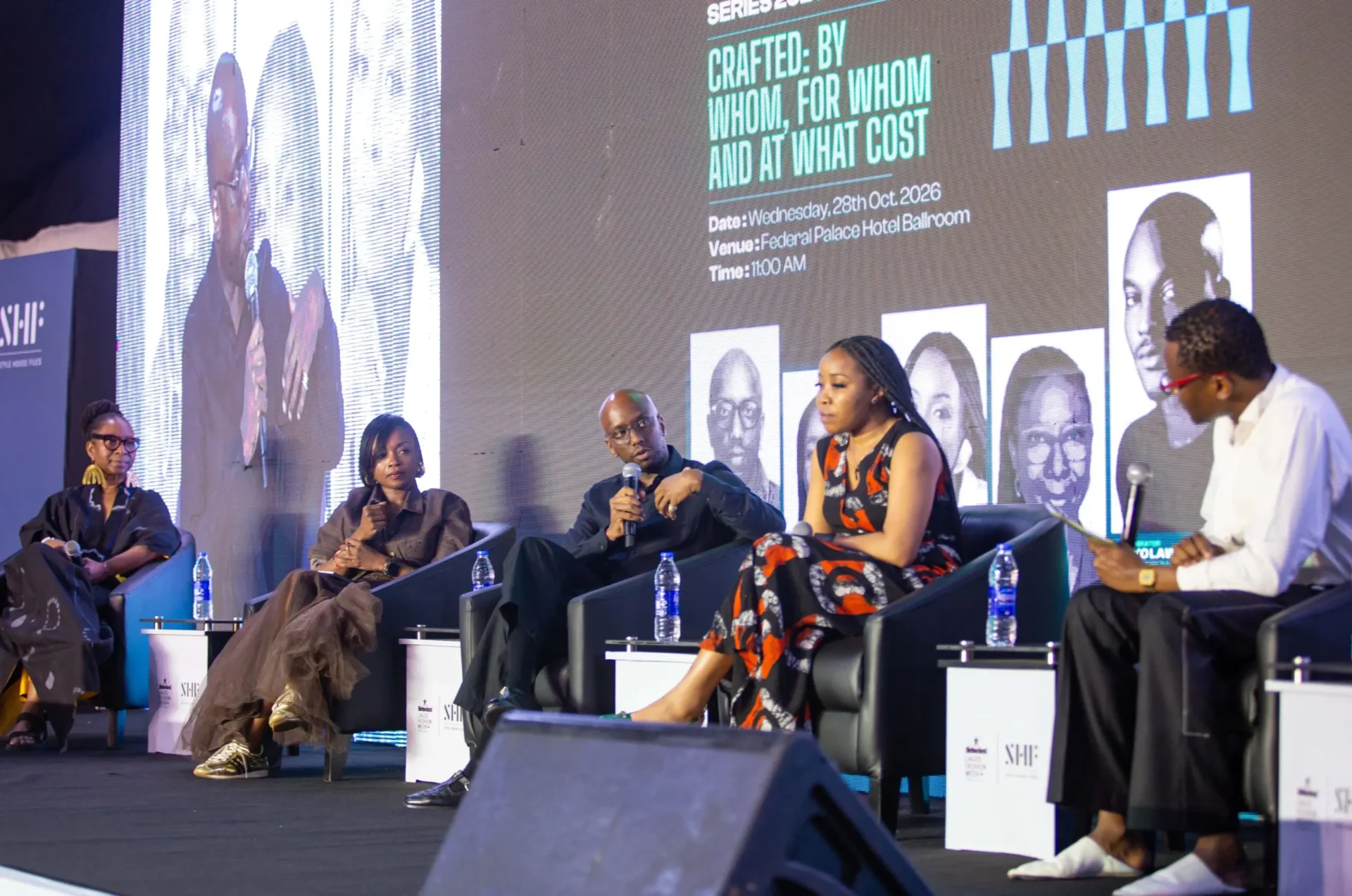
The Fashion Business Series brought together industry leaders, entrepreneurs and creative professionals for four days of discussions on the business and future of fashion.
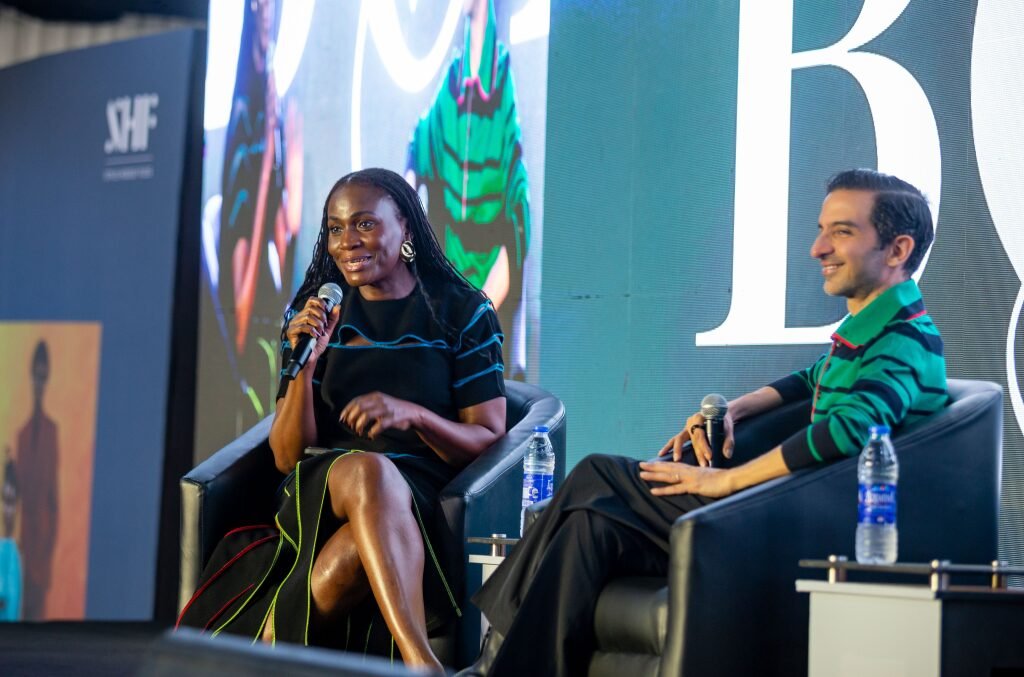
Contributors included founder Omoyemi Akerele, Imran Amed, Monica Awe-Etuk, Abimbola Ogundairo and Aisha Ayensu. Discussions explored brand financing, intellectual property, artisan welfare, sustainable production and strategies for expanding African fashion businesses into international markets.
5. A Surprise Appearance on the Runway
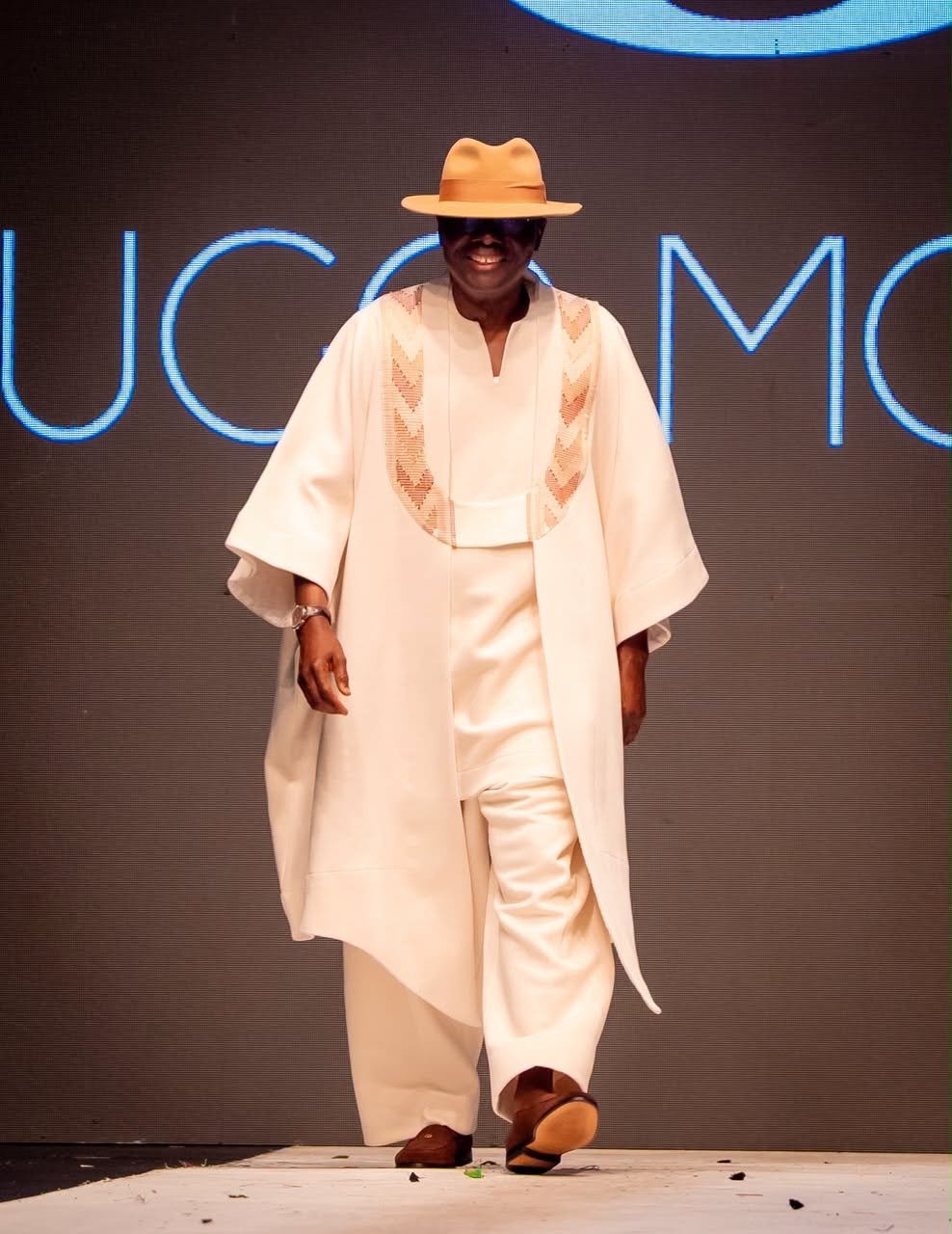
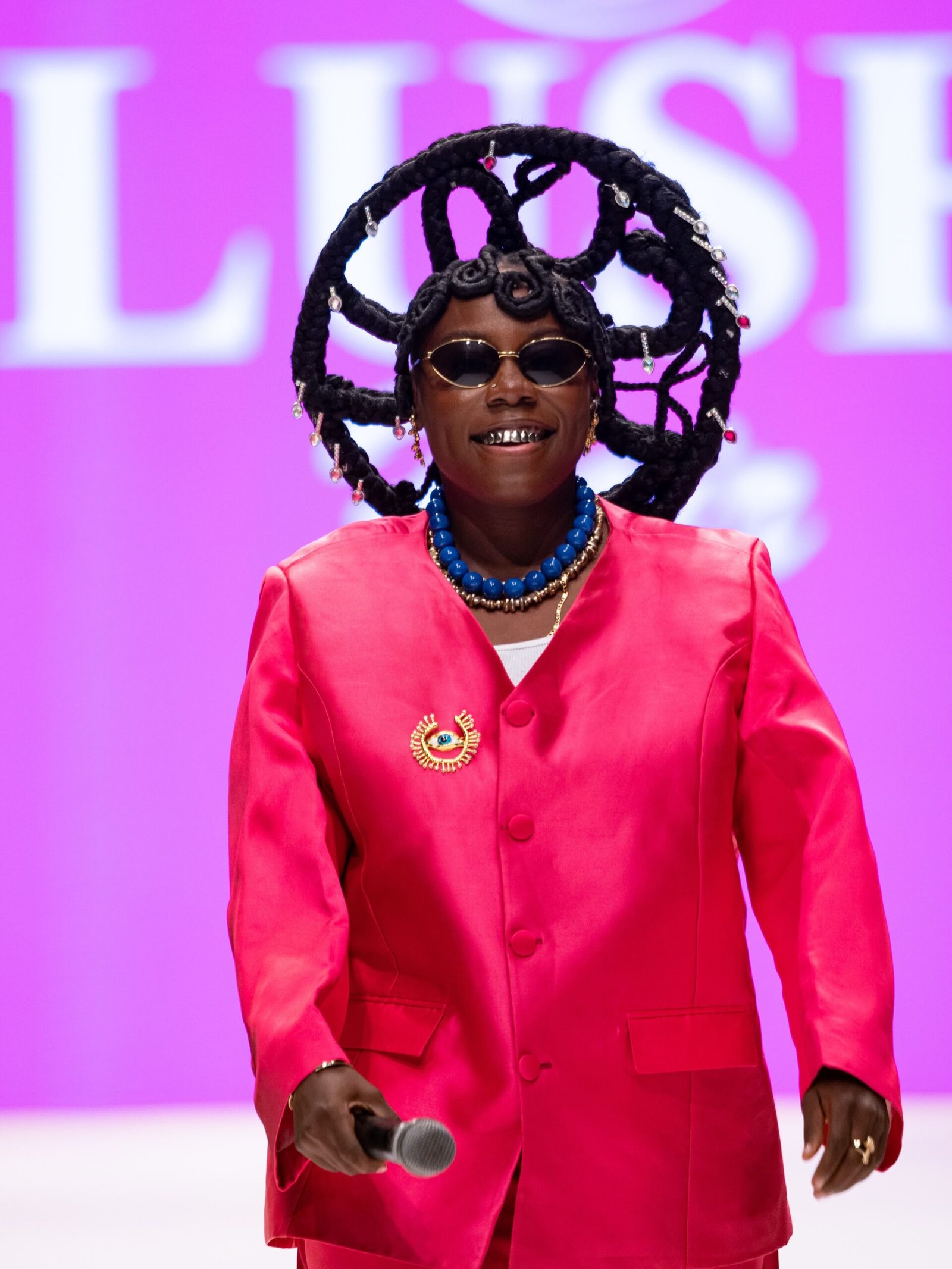
One of the memorable moments of the closing programme was the surprise runway appearance of Lagos State Governor Babajide Sanwo-Olu and other celebrities, adding a notable public moment to an edition that celebrated the intersection of fashion, culture, business and creative enterprise.
As another edition concludes, Lagos Fashion Week continues to demonstrate the commercial and cultural possibilities of African fashion. Beyond the runway, its growing emphasis on craftsmanship, industry development and international market access reinforces the role of fashion as both a creative expression and an economic opportunity for the continent.