
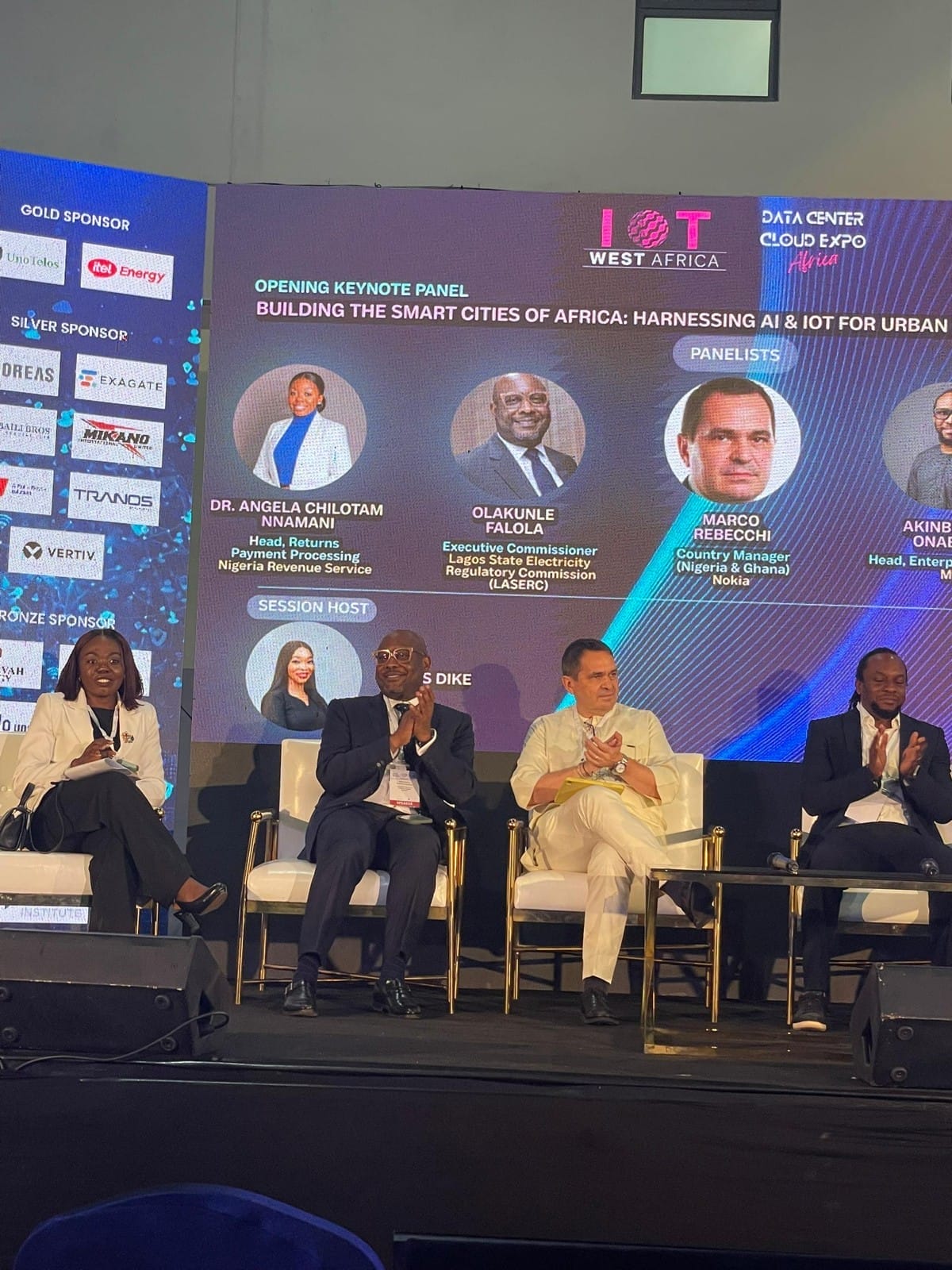

IoT West Africa 2026 concluded in Lagos after three days of high-level discussions, exhibitions, and cross-sector engagements that placed Africa’s digital infrastructure and cybersecurity resilience at the centre of its economic future. Held from April 28 to 30, 2026, at the Landmark Centre, the event convened technology leaders, policymakers, and investors to examine how connected systems are reshaping business, governance, and public services across the continent.
Co-located with Data Center and Cloud Expo Africa, the gathering expanded beyond conventional tech dialogue to address the infrastructure powering modern economies, including cloud computing, artificial intelligence, smart cities, and energy systems. Discussions reflected a clear shift toward infrastructure-led innovation as the foundation for scalable digital growth.
Across keynote sessions and panels, participants explored how sectors such as finance, transportation, and public services are being transformed through IoT-driven systems. From AI-powered mobility and satellite connectivity to digital banking frameworks and the Lagos–Abuja digital corridor, the agenda highlighted both the opportunities and operational demands of Africa’s accelerating digital transition.
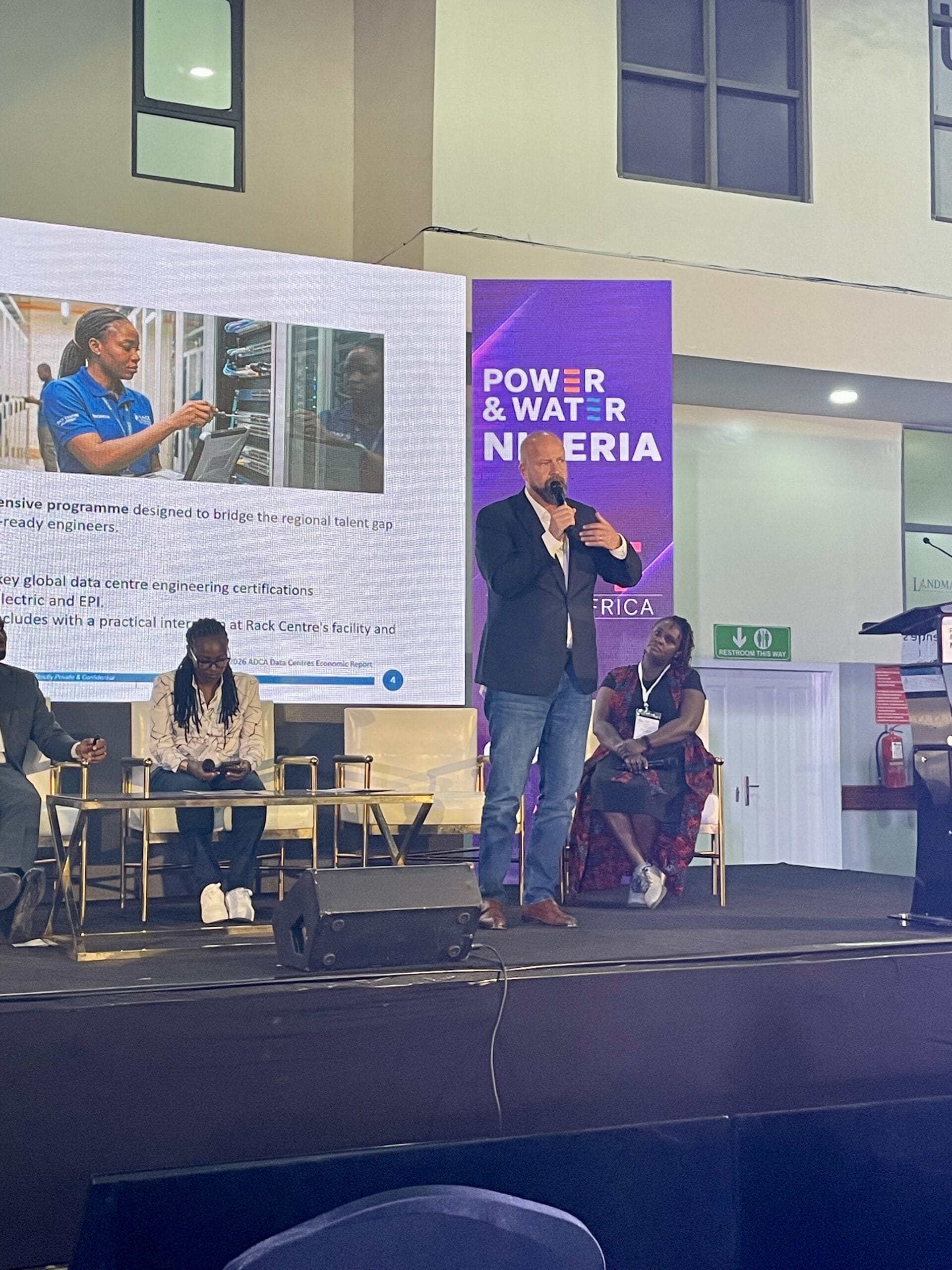
A central highlight came from Dr. Vincent Olatunji, who underscored the scale of the global data economy and the urgency of strengthening governance frameworks. He noted that global cybercrime losses are estimated at $10.5 trillion annually, while the average cost of a data breach has risen to $14.88 million, reflecting a 26 percent year-on-year increase. He further disclosed that more than one million cybercrime complaints are recorded globally, pointing to the growing exposure of digital systems to persistent threats.
Focusing on Nigeria, Olatunji revealed that the country records over 4,000 cyberattacks weekly, accounting for nearly 45 percent of incidents across Africa. Financial losses from cybercrime exceeded ₦12 billion in 2024, driven largely by phishing, ransomware, and other digital fraud schemes. He added that ransomware alone contributes to about 35 percent of global economic losses, while Business Email Compromise continues to inflict significant financial damage on organisations.
Contributing to the discussions, Dr. Aristotle Onumo emphasised the growing importance of stakeholder collaboration in addressing cybersecurity threats and strengthening digital ecosystems. He highlighted the need for coordinated efforts between government, private sector players, and technology providers to build resilient systems capable of withstanding evolving cyber risks.
Olatunji also pointed to the broader implications of rising cyber threats on national security and data sovereignty, noting that Distributed Denial of Service attacks now occur approximately 44,000 times daily, disrupting critical infrastructure such as banking, telecommunications, and government systems. He stressed that identity theft and data breaches account for about 25 percent of digital economy losses, with the majority involving sensitive personal data.
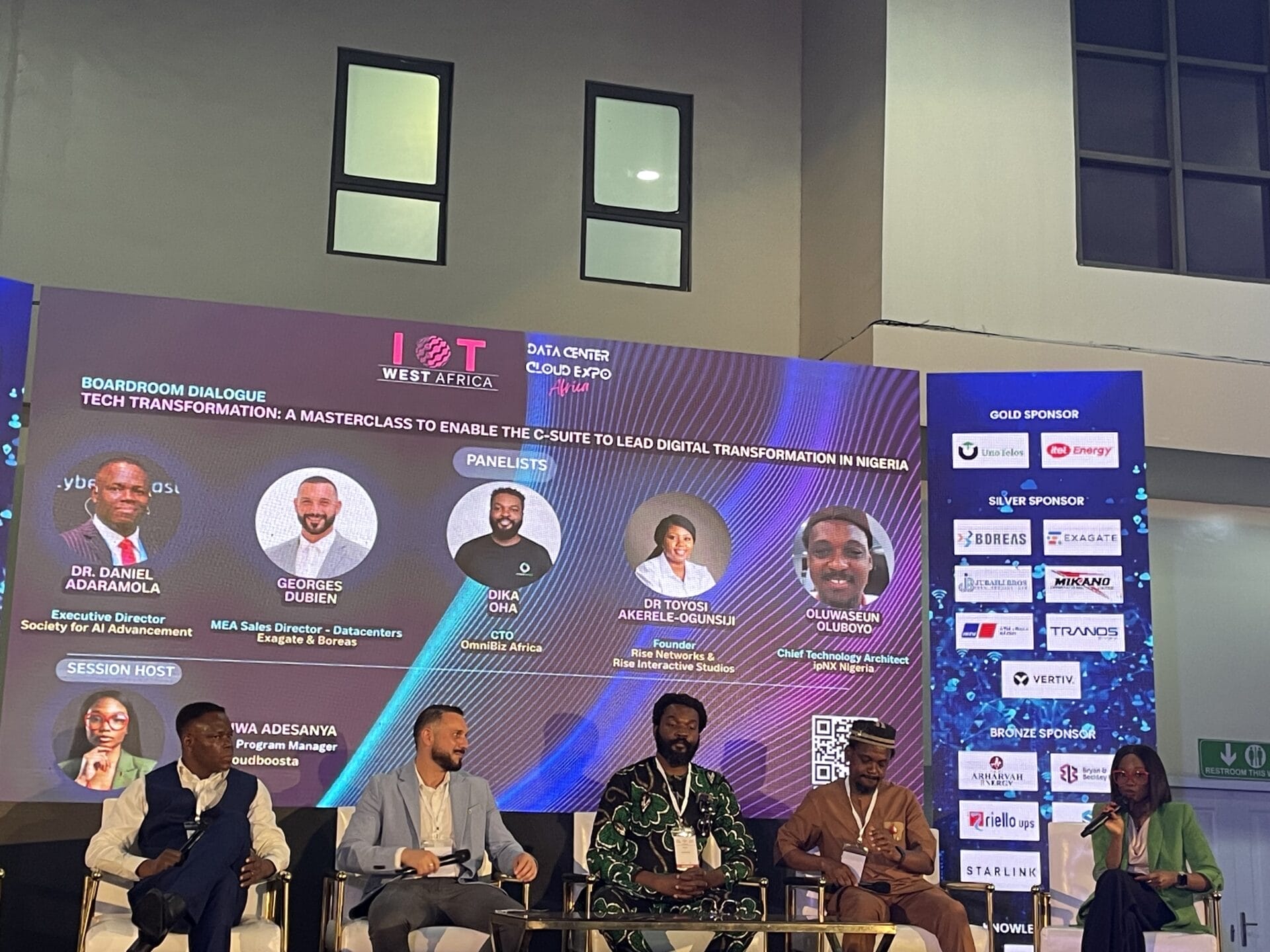
Beyond risk, the keynote highlighted the scale of opportunity within the digital economy. Olatunji stated that Nigeria’s digital economy is currently valued at $18.3 billion and is projected to double within five years as adoption expands. Globally, the digital economy contributes about 20 percent of GDP, while data generation has surged dramatically, now reaching over 402 million terabytes daily.
On the exhibition floor, companies showcased practical solutions ranging from intelligent monitoring systems and automation tools to scalable cloud platforms and energy-efficient data centre technologies. The presence of decision-makers across sectors reinforced the event’s role as a strategic platform for partnerships, investment, and long-term collaboration.
As the event closed, discussions pointed to a defining reality for Africa’s digital future. Innovation alone is no longer sufficient. The continent’s competitiveness will increasingly depend on the strength of its infrastructure, the resilience of its cybersecurity frameworks, and its ability to manage and protect data at scale in an increasingly interconnected global economy.