
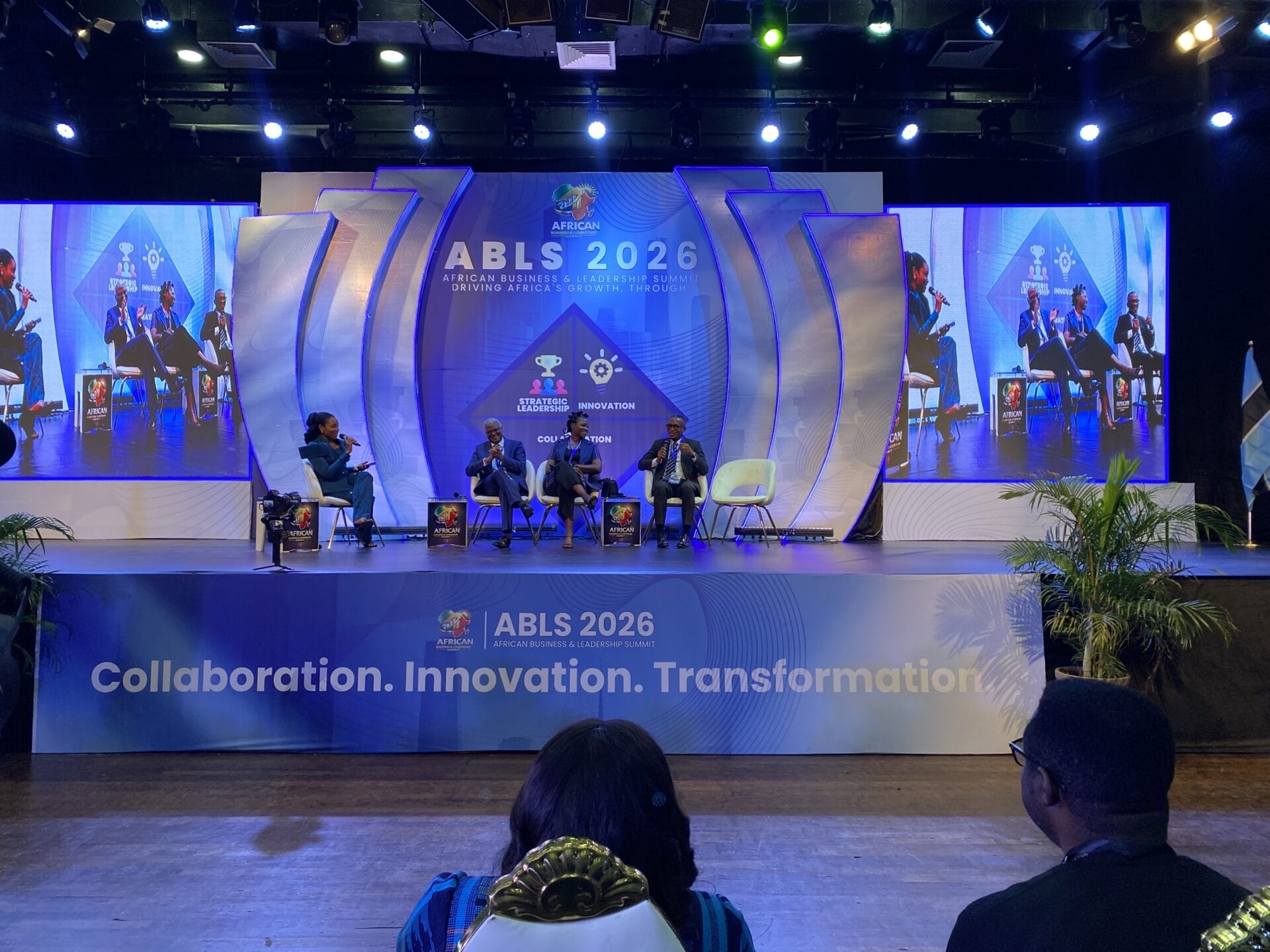

Business leaders, policymakers, innovators, entrepreneurs, and institutional stakeholders gathered at the MUSON Centre in Onikan, Lagos, on May 12, 2026, for the inaugural edition of the Africa Business and Leadership Summit (ABLS 2026), a high level gathering focused on advancing conversations around Africa’s economic transformation, strategic leadership, and continental collaboration.
Held under the theme “Driving Africa’s Growth through Innovation, Strategic Leadership, and Collaboration,” the summit brought together speakers and participants from across sectors including governance, healthcare, infrastructure, aviation, education, exports, finance, and technology. The event served as a platform for policy conversations, investment dialogue, and partnership building, with organizations such as Crest Africa and Empire Magazine Africa joining other institutional partners in supporting the initiative.
One of the defining moments of the summit came during a keynote session delivered by Praise Fowowe, who spoke on “Human Capital, an Asset: The Family System as Africa’s First Leadership School.” Addressing executives and professionals in attendance, he argued that the future of Africa’s leadership capacity is closely tied to the strength of its family systems. “Every executive in the room understands the value of human capital. Yet the greatest institute of building human capital is quietly collapsing, family,” he said. Fowowe stressed that values such as discipline, resilience, integrity, consistency, and accountability are often first cultivated at home before being reflected in corporate and national leadership structures.
The summit also featured a strategic session by Dr. Adedayo Benjamin Laniyi, who spoke extensively on institution building and Africa’s need for systems capable of sustaining long term development beyond individual leadership cycles. “Our continent is filled with resources, but inclusion is struggling to keep pace and innovation is not thriving as it should,” he said. Laniyi further emphasized that Africa’s future depends less on personality driven leadership and more on building structures and infrastructure that can endure across generations. “As Africa, we do not need more businessmen. We need systems, structures, and infrastructure that can outlive the builders,” he added.
Speaking on governance and economic prosperity, Funso Doherty highlighted the connection between functional political systems and national development. According to him, nations only prosper when economic opportunities extend beyond concentrated political interests to the broader population. “The public sector dominates in the efforts of nation building. For a nation to prosper, the people need to prosper,” he stated during his session.
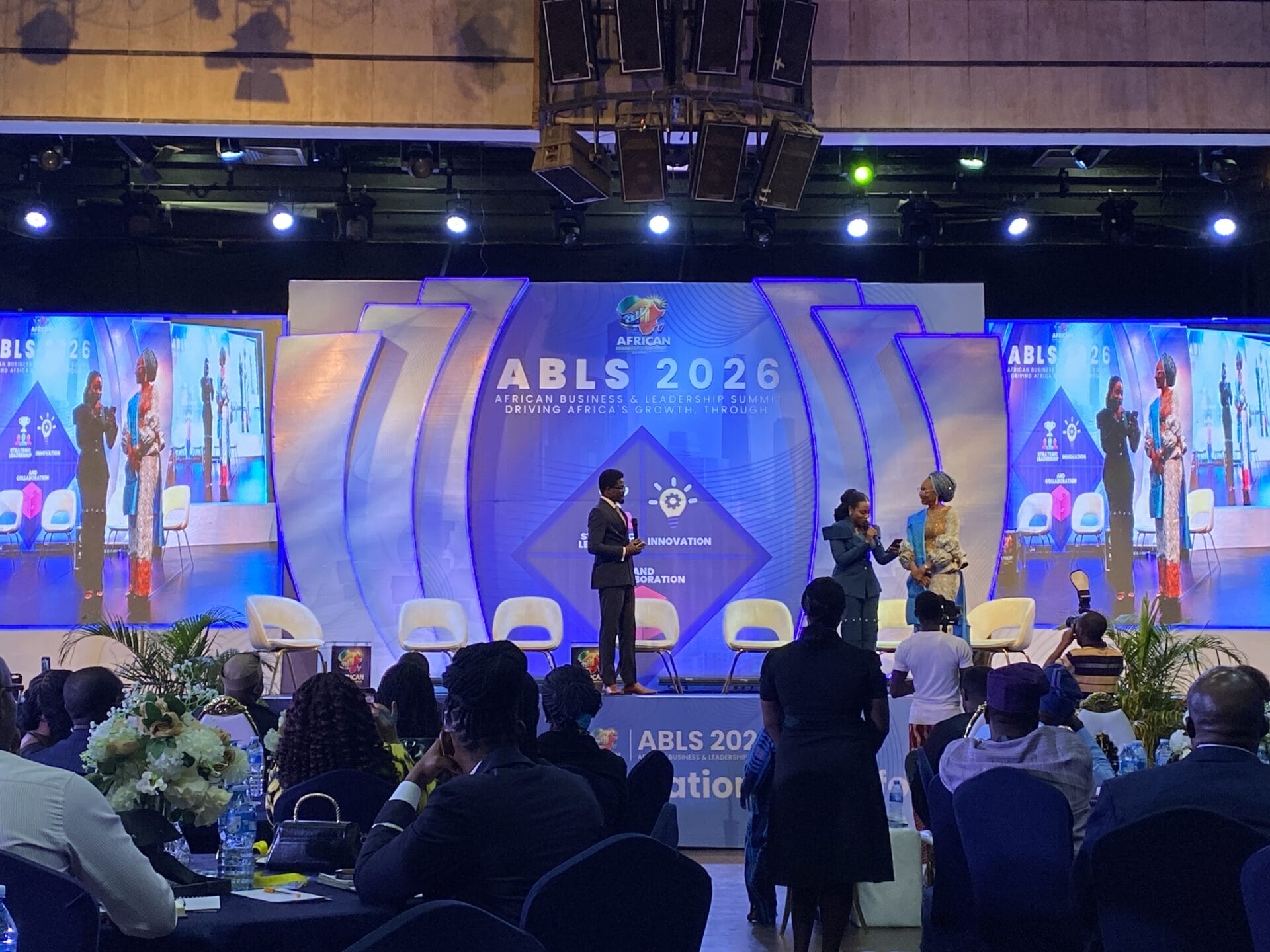
A panel discussion focused on innovation and African trade opportunities further explored how the continent can develop solutions tailored to its realities. During the session, Vera Ohioma encouraged stakeholders to move beyond rhetoric and pursue more practical collaboration through initiatives linked to AfCFTA and Afreximbank frameworks. The conversation centred on unlocking intra-African opportunities capable of accelerating economic integration and sustainable growth.
Healthcare entrepreneur Dr. Tomi Kogo also addressed delegates, emphasizing the importance of sustained healthcare investment as both a social necessity and an economic driver. According to her, stronger healthcare systems could significantly contribute to Africa’s GDP growth despite the sector’s longer investment cycles. Infrastructure and industrial growth also formed a major part of the summit discussions, with presentations from Engineer Dr. Adedeji Ashiru focusing on the role of infrastructure in unlocking economic competitiveness across the continent.
Organizers described ABLS 2026 as more than a conference, positioning it instead as a strategic platform designed to encourage practical solutions, strengthen bilateral relationships, attract investment opportunities, and deepen collaboration among African leaders and institutions. Across keynote sessions, networking engagements, and policy discussions, the summit reflected a growing urgency around the need for Africa to build stronger systems, invest in human capital, and pursue coordinated development strategies capable of shaping the continent’s long term future.