
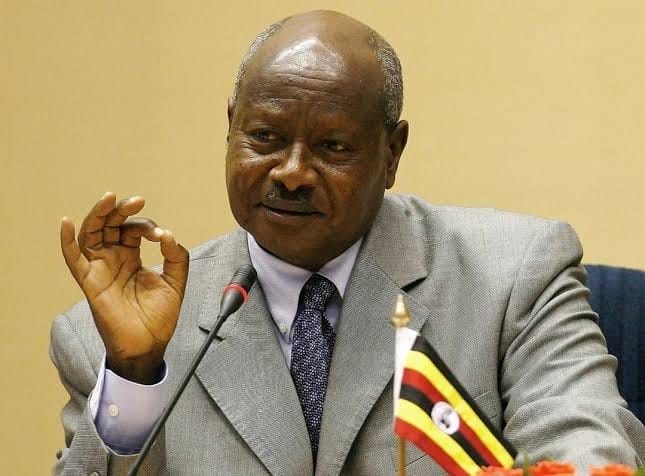

Yoweri Museveni has signed a contentious new law designed to tighten government oversight of foreign-funded organisations and political activity in Uganda, drawing criticism from opposition groups and civil society organisations. The legislation, approved by parliament before receiving presidential assent, is intended to curb what authorities describe as undue foreign influence in domestic affairs, as reported by Reuters.
The law introduces stricter regulations on non-governmental organisations, advocacy groups, and entities receiving external funding, including expanded disclosure requirements and tighter state monitoring powers. Government officials argue the measures are necessary to protect national sovereignty, security, and political stability amid increasing global geopolitical competition.
Opposition politicians and human rights organisations, however, have warned that the legislation could restrict civic freedoms and weaken independent activism. Critics say the law may be used to suppress dissent and limit the activities of organisations involved in governance, election monitoring, and human rights advocacy. International observers and donor groups have also raised concerns about its potential impact on civil society operations in Uganda.
The development reflects a broader trend across several African countries where governments are introducing stricter controls over foreign-funded organisations and political activities. Analysts note that debates around sovereignty, external influence, and democratic freedoms are becoming increasingly central as African states navigate evolving geopolitical pressures and domestic political dynamics.