
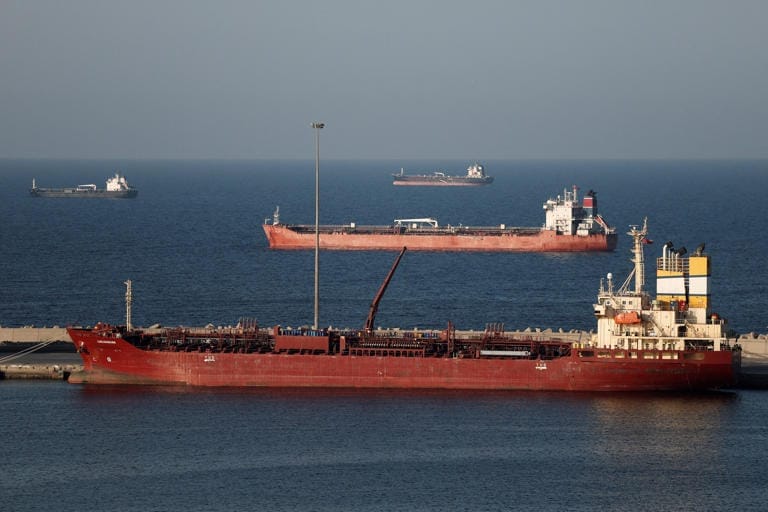

Africa is increasingly emerging as a critical crossroads in global oil markets as disruptions linked to U.S.–Iran tensions weaken reliance on the Strait of Hormuz, one of the world’s most vital energy chokepoints. The conflict has removed more than 500 million barrels of crude from global supply and disrupted up to 12 million barrels per day, forcing buyers to seek alternative sources beyond the Middle East, as reported by Reuters.
The Strait of Hormuz typically handles around 20% of global oil flows, making any disruption a major shock to supply chains. With tanker traffic constrained and insurance risks rising, refiners in Asia and Europe have increasingly turned to alternative suppliers, including the United States, the North Sea, and notably Africa, where crude exports from countries like Nigeria and Angola are gaining renewed strategic importance.
West African crude has become particularly attractive due to its accessibility and compatibility with global refining systems, even as traders adjust to shifting logistics. Bloomberg notes that supply shortages linked to the Hormuz disruption have tightened global markets and driven price volatility, with Brent crude at one point surging above $100 per barrel before easing on temporary ceasefire signals.
The shift highlights a broader realignment of global energy flows, where Africa is no longer a peripheral supplier but a central player in balancing supply disruptions. As geopolitical risks persist and confidence in traditional routes remains fragile, the continent’s oil producers are positioned to play a more strategic role in global energy security, marking a structural shift in how and where the world sources its crude.