
Pressdia Ad

Africa emerges as new oil crossroads as U.S.–Iran tensions reshape global supply routes

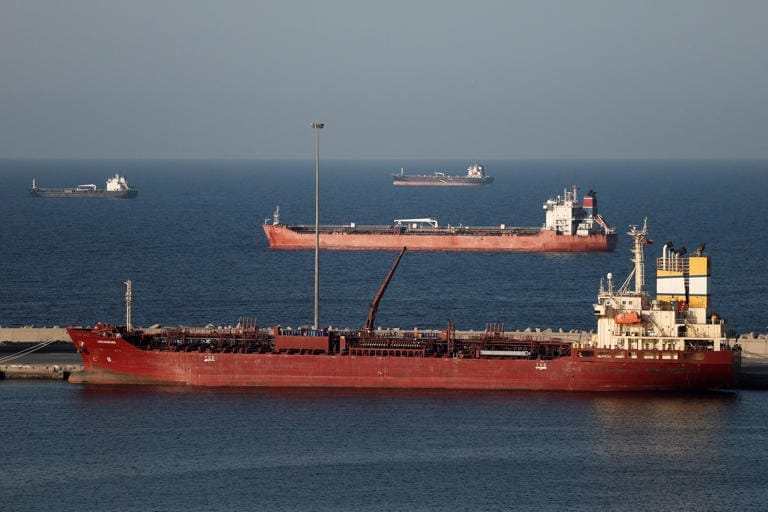
Africa is increasingly emerging as a critical crossroads in global oil markets as disruptions linked to U.S.–Iran tensions weaken reliance on the Strait of Hormuz, one of the world’s most vital energy chokepoints. The conflict has removed more than 500 million barrels of crude from global supply and disrupted up to 12 million barrels per day, forcing buyers to seek alternative sources beyond the Middle East, as reported by Reuters.

The Strait of Hormuz typically handles around 20% of global oil flows, making any disruption a major shock to supply chains. With tanker traffic constrained and insurance risks rising, refiners in Asia and Europe have increasingly turned to alternative suppliers, including the United States, the North Sea, and notably Africa, where crude exports from countries like Nigeria and Angola are gaining renewed strategic importance.

West African crude has become particularly attractive due to its accessibility and compatibility with global refining systems, even as traders adjust to shifting logistics. Bloomberg notes that supply shortages linked to the Hormuz disruption have tightened global markets and driven price volatility, with Brent crude at one point surging above $100 per barrel before easing on temporary ceasefire signals.

The shift highlights a broader realignment of global energy flows, where Africa is no longer a peripheral supplier but a central player in balancing supply disruptions. As geopolitical risks persist and confidence in traditional routes remains fragile, the continent’s oil producers are positioned to play a more strategic role in global energy security, marking a structural shift in how and where the world sources its crude.


Pressdia Ad

Subscribe to Newsletter

Get the latest in luxury, business, and elite trends—subscribe now!

Pressdia Ad

Subscribe

Latest Posts

Sandra Hüller Joins Avengers Doomsday in Secret Cameo Role

German actress Sandra Hüller, the Oscar-nominated star of Anatomy of a...

Crawl 2 Adds Sarah Niles and Ray Panthaki Ahead of July 2027 Release

Paramount Pictures has expanded the cast of Crawl 2, its upcoming...

Femi Otedola’s First HoldCo Posts $684 Million Pre-Tax Profit as Earnings Rise 61%

First HoldCo Plc, the parent company of FirstBank Nigeria and chaired...

Nigeria Wins Bid to Host 2028 ITTF Africa Championships in Lagos

Nigeria has secured the hosting rights for the 2028 International Table...

Zephans & Co: Africa’s No.1 Ready to Wear Women Brand

Zephans & Co brings together contemporary style and modern femininity through...

The Library Lagos: Where Fine Dining Meets Live Entertainment

The Library Lagos brings together contemporary fine dining, live performances and...

Fola David to Lead 1,000 Children in Guinness World Record Art Attempt in Lagos

Nigerian medical doctor and visual artist Fola David is preparing to...

Related Posts

Microsoft Nominates Irish billionaire John Collison to Board as Two Directors Step Down

Microsoft has nominated Irish billionaire John Collison, co-founder and...

Ibrahim Mahama’s E&P Pursues $740 Million Claim Against Gold Fields in Ghana

Ghanaian businessman Ibrahim Mahama’s mining company, Engineers & Planners...

Nigeria’s NEC Endorses 90-Day Action Plan to Tackle Cost of Living

Nigeria’s National Economic Council (NEC) has endorsed a 90-day...
Samuel Oluwamayomikun
Samuel Oluwamayomikun is the Editor in Chief and Lead Copywriter at Empire Magazine Africa, where he leads editorial direction and shapes compelling narratives across business, culture, leadership, and African excellence. With a sharp eye for storytelling and strategic communication, he oversees content development, brand voice, and high impact features that position individuals and organisations with clarity and influence. His work sits at the intersection of journalism, brand storytelling, and editorial strategy, ensuring every piece published aligns with Empire Magazine Africa’s standard of depth, credibility, and cultural relevance

LEAVE A REPLY

Please enter your comment!
Please enter your name here