
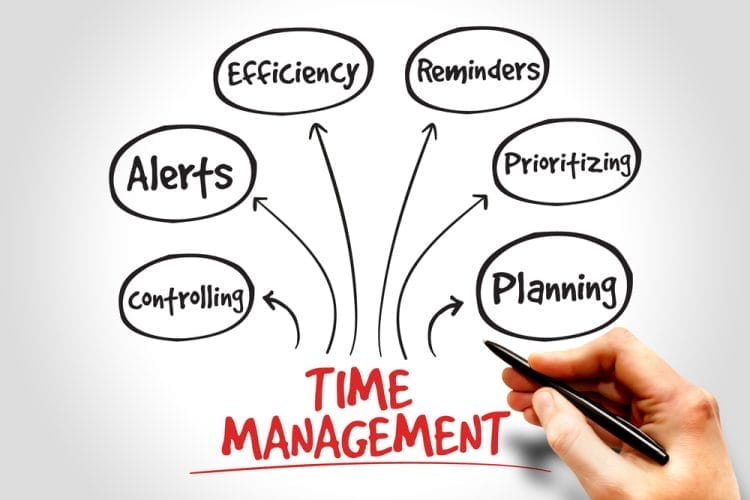

Effective time management is essential for business success. As responsibilities grow, business owners and teams often struggle with competing priorities, missed deadlines, and constant interruptions. Without a structured approach, productivity declines and important tasks are delayed.
Implementing a reliable time management system helps businesses stay organized, improve efficiency, and maintain focus on high-impact activities.
Why Time Management Matters in Business
Time is one of the most valuable resources in any business.
Poor time management can lead to:
• Missed opportunities
• Reduced productivity
• Increased stress and burnout
• Inefficient use of resources
On the other hand, strong time management improves decision-making, ensures timely execution, and supports overall business growth.
Prioritize Tasks Based on Impact
Not all tasks are equally important. A key principle of effective time management is focusing on high-impact activities that contribute directly to business goals.
One practical approach is to:
• Identify urgent vs. important tasks
• Focus on revenue-generating or growth-related activities
• Delegate or eliminate low-value tasks
Clear prioritization ensures that time is spent where it matters most.
Use Structured Planning Systems
Planning ahead helps reduce confusion and wasted time. Business owners and teams should adopt structured systems such as:
• Daily and weekly planning schedules
• Task management tools
• Project timelines and deadlines
Breaking larger goals into smaller, manageable tasks improves clarity and execution.
Implement Time Blocking Techniques
Time blocking is a highly effective method where specific periods are allocated to particular tasks or activities.
For example:
• Morning: Deep work (strategy, content creation)
• Midday: Meetings and collaboration
• Afternoon: Administrative tasks
This approach minimizes distractions and ensures focused work sessions.
Reduce Distractions and Interruptions
Distractions are a major barrier to productivity. To improve focus:
• Limit unnecessary meetings
• Turn off non-essential notifications
• Set clear boundaries for work time
• Create a structured work environment
Reducing interruptions allows for deeper concentration and faster task completion.
Delegate and Automate Where Possible
Business owners often try to handle everything themselves, which limits growth.
Effective time management involves:
• Delegating tasks to team members
• Automating repetitive processes
• Using systems to reduce manual work
This frees up time for strategic decision-making and business development.
Review and Improve Your System
Time management systems should evolve as your business grows.
Regularly evaluate:
• How time is being spent
• Which tasks create the most value
• Where inefficiencies exist
Adjust your system to improve productivity and maintain alignment with business goals.
Conclusion
A strong time management system helps business owners and teams stay organized, focused, and productive.
By prioritizing high-impact tasks, using structured planning, implementing time blocking, reducing distractions, and leveraging delegation and automation, businesses can maximize efficiency and achieve sustainable growth.
Managing time effectively is not just about doing more, it is about doing what matters most.