
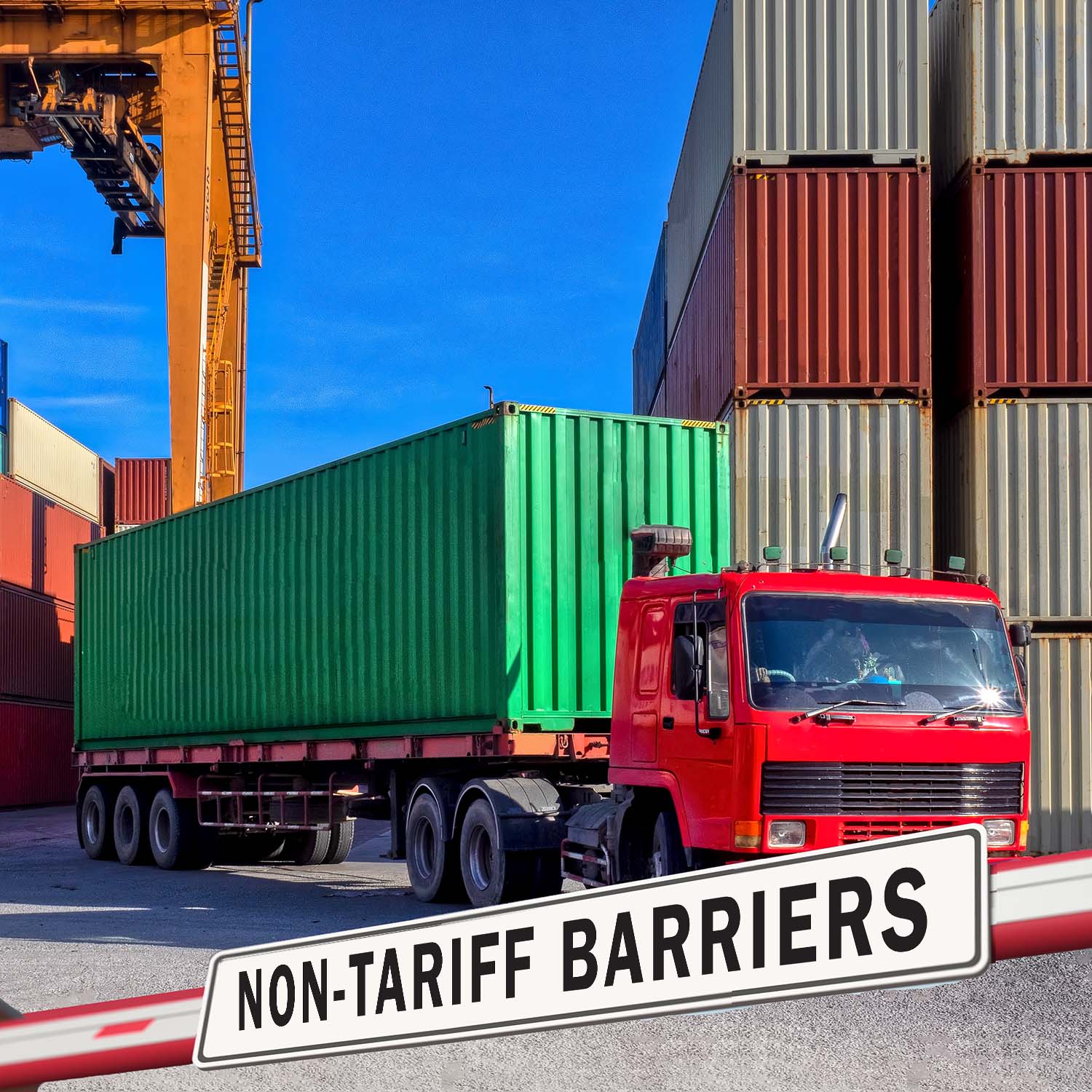

Tanzania and Uganda have agreed to eliminate a range of non-tariff barriers that have long slowed the movement of goods between the two neighbouring economies, as both governments seek to deepen economic cooperation and rebalance a rapidly growing but uneven trade relationship, Business Insider Africa reported.
The decision follows high-level discussions between officials from the two countries aimed at resolving regulatory hurdles, customs delays, and administrative restrictions that have historically complicated cross-border commerce. Such barriers have been widely identified as a major obstacle to regional trade across the East African Community, despite existing agreements designed to allow the free movement of goods within the bloc.
Officials say removing these restrictions will help streamline border procedures, lower the cost of doing business, and encourage stronger commercial ties between the two economies. The move is also expected to support broader regional integration efforts and expand opportunities for trade in sectors such as agriculture, manufacturing, and logistics, according to African Press.
Trade between Tanzania and Uganda has expanded significantly over the past decade, driven by growing investment and improved infrastructure links. Leaders from both countries say addressing non-tariff barriers is a crucial step toward unlocking the full potential of bilateral trade and strengthening economic cooperation across East Africa.