
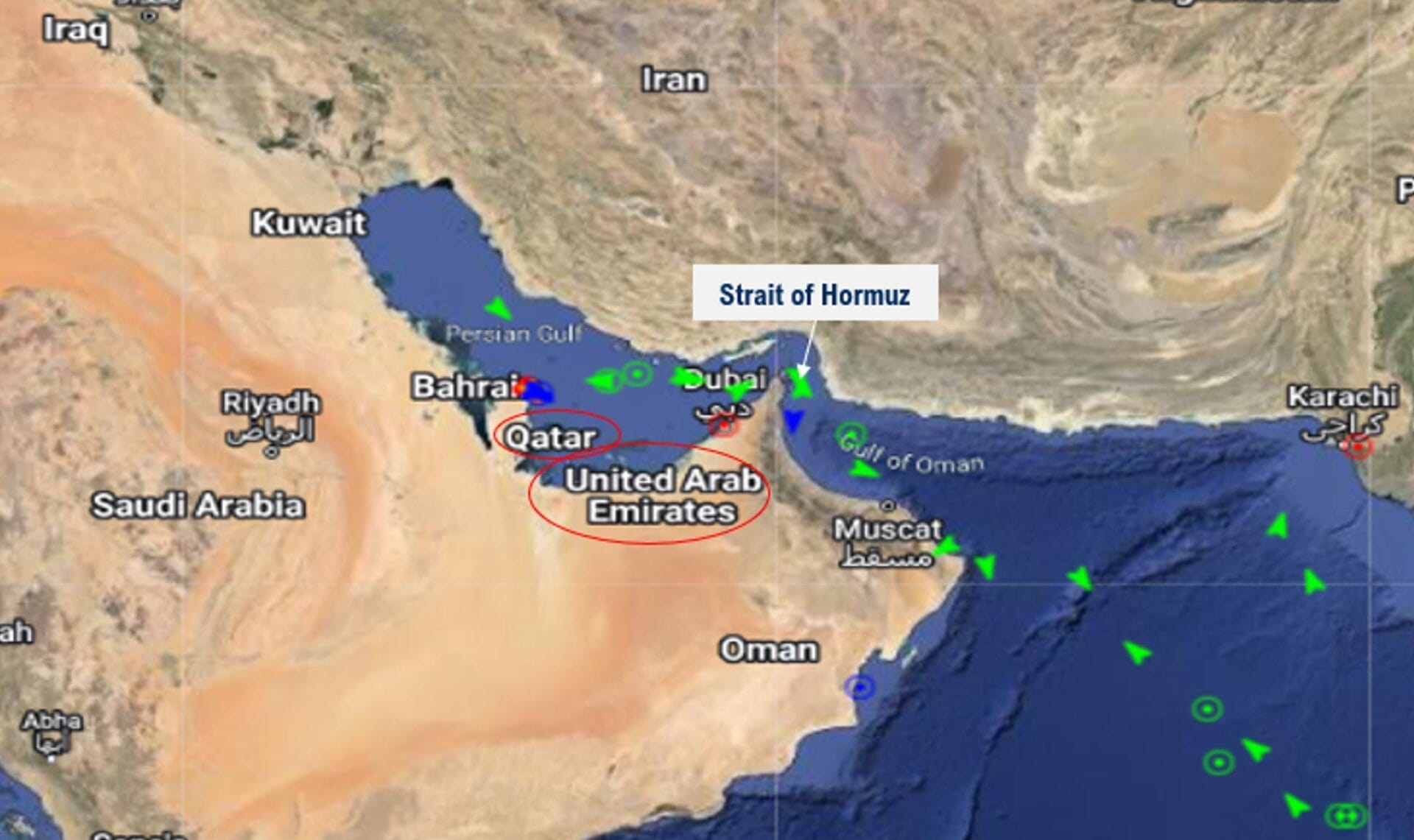

Egypt is deepening its logistics partnership with Italy through an expanding cargo corridor that is gaining traction as companies seek safer alternatives to disrupted shipping lanes around the Strait of Hormuz. The route, highlighted in April 2026, reflects a broader shift in global trade flows as geopolitical tensions force exporters to rethink traditional maritime pathways, as reported by Euronews.
The corridor links Egypt’s Mediterranean port of Damietta with Italy’s Trieste, before cargo is transported overland across Egypt to the Red Sea port of Safaga and onward to Gulf markets including the UAE, Oman, and Qatar. Built on a roll-on/roll-off (Ro-Ro) model, the system allows trucks to move seamlessly between sea and land, reducing transit time and improving efficiency, as highlighted by Reuters.
Rising instability in the Strait of Hormuz through which roughly one-fifth of global energy supplies normally pass, has significantly disrupted shipping, with vessels rerouting or avoiding the passage altogether due to security and insurance risks. This has accelerated interest in alternative corridors like the Egypt–Italy route, which bypasses the chokepoint entirely.
Egypt is positioning the initiative as part of a broader strategy to become a regional logistics hub connecting Europe, Africa, and the Middle East. Streamlined customs procedures, digital clearance systems, and transit exemptions have further enhanced the corridor’s appeal, helping reduce costs and delivery times for businesses, as noted by business insider Africa.
The development underscores a structural shift in global supply chains, where resilience and route diversification are becoming as critical as cost efficiency. As disruptions persist in key maritime chokepoints, corridors like Egypt–Italy are emerging as strategic alternatives that could redefine trade connectivity between Europe, the Gulf, and Africa.