

Africa’s contemporary art scene has evolved into a globally influential force, driven by visionary executives who lead major institutions, curate defining narratives, and expand access for African artists on the world stage. These leaders operate at the intersection of culture, policy, and global art markets, shaping how African creativity is collected, exhibited, and understood.
1. Okwui Enwezor (Nigeria)

Okwui Enwezor remains one of the most influential art executives and curatorial leaders to emerge from Africa. As Artistic Director of Documenta 11 and later Director of Haus der Kunst in Munich, he fundamentally reshaped global curatorial practice by centering postcolonial and African perspectives. His leadership of the 56th Venice Biennale marked a historic moment for African and diasporic representation in global art institutions.
Read Next: Top 5 African Entrepreneurs Transforming the Textile and Clothing Industry
2. Bonaventure Soh Bejeng Ndikung (Cameroon)

Bonaventure Ndikung is the founder and Artistic Director of SAVVY Contemporary, a leading transdisciplinary art institution with strong African intellectual grounding. He has held senior curatorial roles across Europe and Africa and served as Artistic Director of the 13th Dak’Art Biennale. His executive leadership bridges African thought systems with global contemporary art discourse.
3. Koyo Kouoh (Cameroon / South Africa)
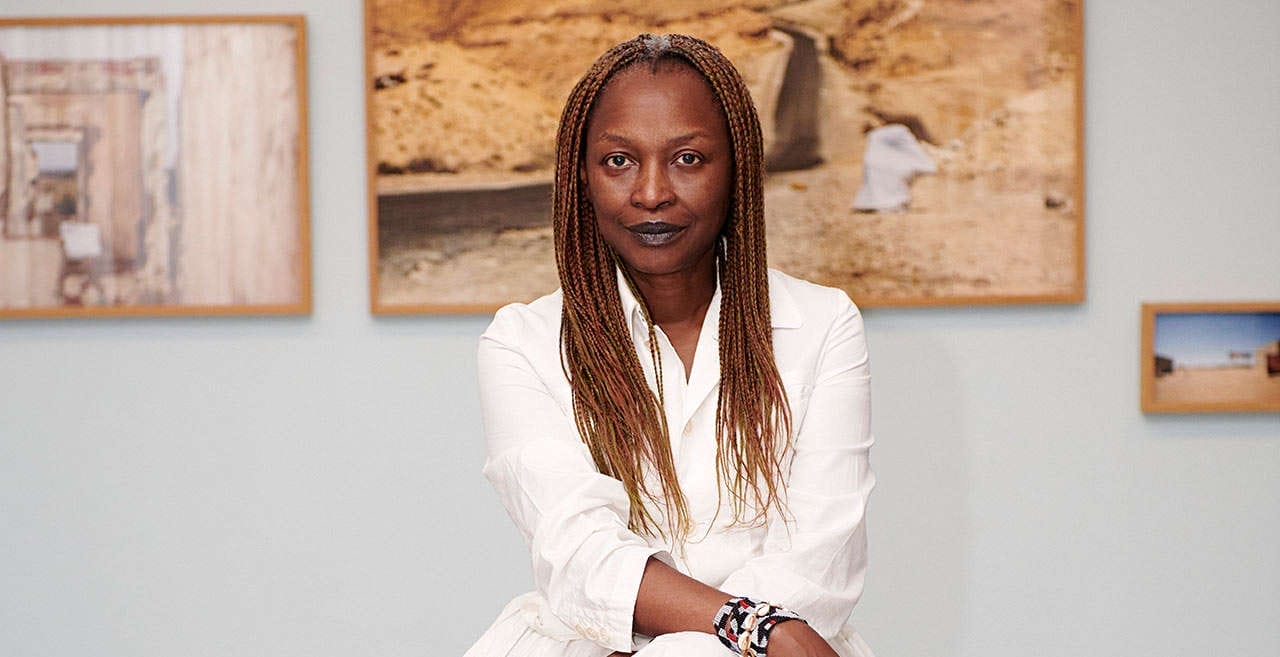
Koyo Kouoh is the Executive Director and Chief Curator of Zeitz Museum of Contemporary Art Africa in Cape Town, one of the continent’s most significant contemporary art institutions. She previously founded RAW Material Company in Dakar, a leading center for art, knowledge, and society. Her leadership has expanded institutional visibility for African artists while shaping policy conversations around restitution, archives, and curatorial ethics.
4. Azu Nwagbogu (Nigeria)
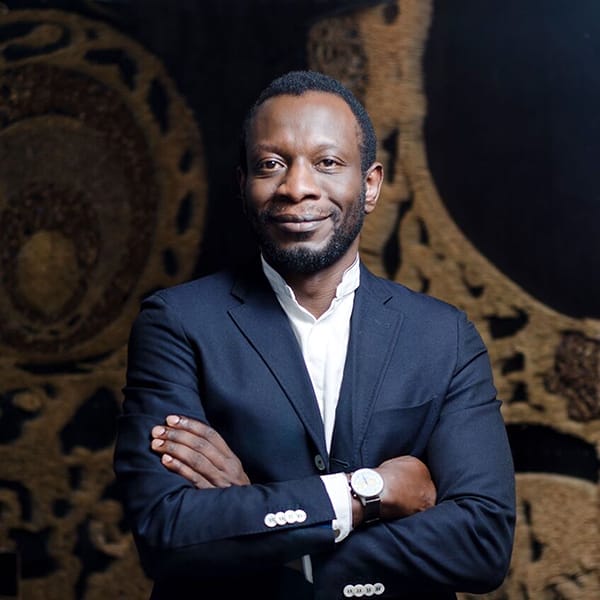
Azu Nwagbogu is the Founder and Director of the African Artists’ Foundation and the LagosPhoto Festival. Through these platforms, he has built one of West Africa’s most respected contemporary photography and visual arts ecosystems. His executive work supports artist development, international exchange, and institutional partnerships across Africa and Europe.
5. Raphael Chikukwa (Zimbabwe)
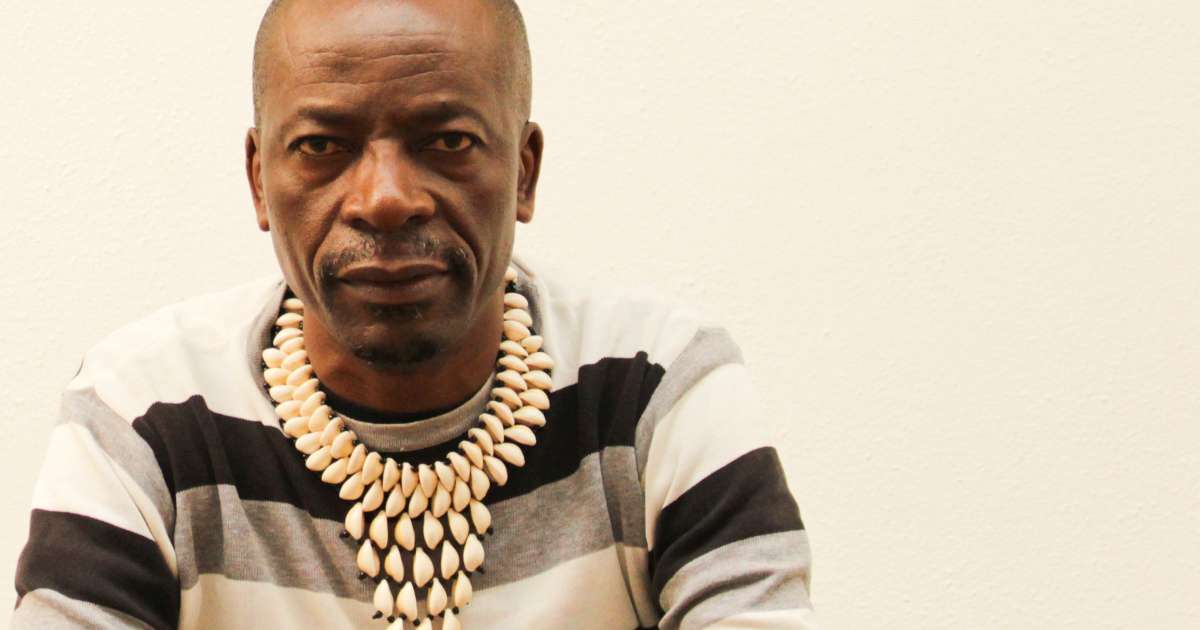
Raphael Chikukwa serves as Executive Director of the National Gallery of Zimbabwe, overseeing one of Southern Africa’s most important public art institutions. He has curated Zimbabwean and African exhibitions internationally and played a key role in strengthening institutional collections, artist representation, and cross-border cultural collaboration.
Methodology
This list was curated based on confirmed leadership roles within major art institutions, biennales, museums, and cultural platforms between 2000 and the present. Selection criteria included institutional authority, curatorial influence, contribution to African art visibility, and measurable impact on artist development and cultural policy. Verification relied on museum records, biennale archives, institutional announcements, and widely cited art industry profiles.