
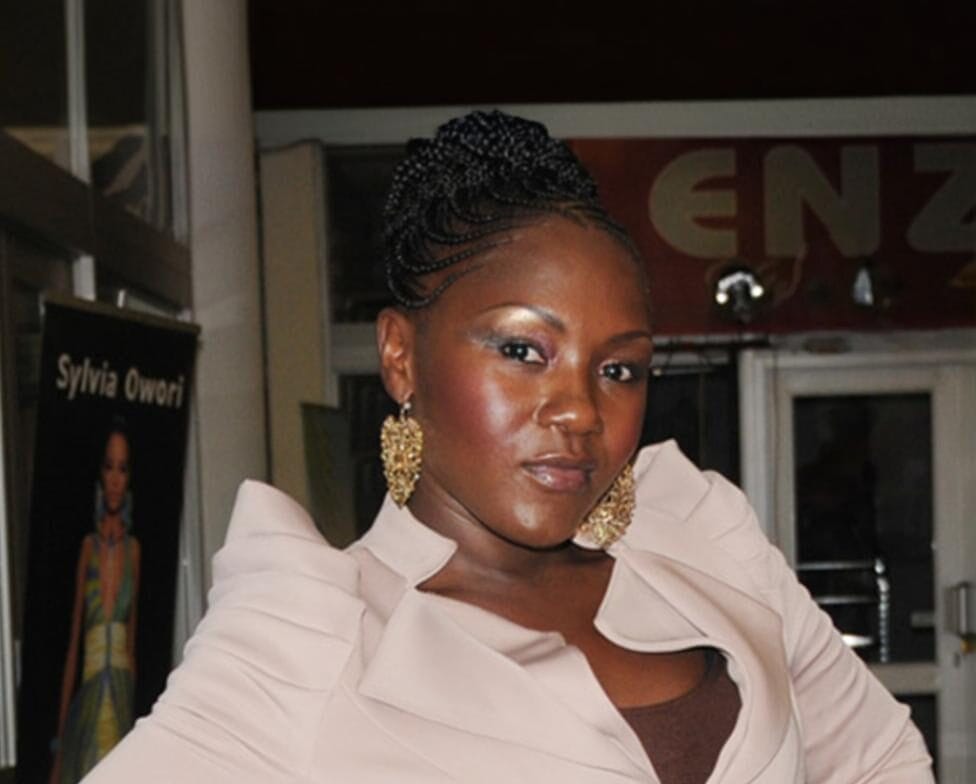

When Sylvia Owori entered Uganda’s fashion scene in the early 2000s, she wasn’t just building a personal brand, she was opening an entirely new chapter for East African design. Her name quickly became synonymous with style, influence, and unapologetic ambition. But Owori’s career has since evolved far beyond the runway, carving out a rare path that merges fashion, policy, and economic strategy with remarkable clarity and commitment.
Born in Uganda and trained in fashion at Newham College in London, Owori returned home to launch the Sylvia Owori Fashion House, determined to bring world-class tailoring, professionalism, and bold feminine aesthetics to East Africa. Her designs, often described as elegant and empowering, helped define a new visual narrative for women in business, media, and public life, stylish yet strong, rooted yet globally aware.
Over time, she expanded her influence, founding Africa Woman Magazine, producing national beauty pageants, styling music videos and public figures, and creating platforms where African women’s voices and stories could be elevated. Yet even at the height of her success in fashion and media, Owori’s ambitions were never limited to aesthetics.
Her move into government and development policy signaled a powerful shift. As a senior advisor in Uganda’s Office of the President and later as an Executive Assistant with the Operation Wealth Creation (OWC) program, Owori brought creative sector thinking into institutional spaces often dominated by economics and infrastructure. She championed the inclusion of fashion, culture, and enterprise in national development plans, emphasizing that Africa’s creative industries are not side projects but core to job creation, export potential, and identity formation.
Her work focuses on building sustainable systems from vocational training in tailoring and design to empowering female entrepreneurs through access to capital and markets. Whether she’s speaking at economic forums or mentoring young creatives, Owori keeps returning to one idea: African talent must be nurtured at home and scaled with purpose.
Far from leaving fashion behind, she has integrated it into a broader vision of economic transformation. She understands how what people wear, consume, and produce reflects who they are and what they believe about their place in the world. That insight, combining cultural literacy with policy engagement, gives her a unique position among leaders working at the intersection of creativity and national progress.
Sylvia Owori’s legacy is still in motion. Her influence continues to expand across sectors, not as someone following conventional career paths, but as someone reshaping them entirely. Whether through her early impact on style and representation, or her current focus on enterprise and governance, Owori represents a rare form of leadership, one that builds bridges between culture and capital, and sees every project as a chance to shift how Africa sees itself.
She’s not simply changing perceptions; she’s laying foundations for women, for industries, and for future generations to build upon with confidence, excellence, and pride.