

Ghana is seeking to cut its annual palm oil import bill by about $200 million through a new strategic partnership with China, as part of a broader push to strengthen domestic agricultural production, according to reporting by Business Insider Africa.
Speaking in Accra, Agriculture Minister Eric Opoku said the government’s 2026 budget prioritizes agriculture as a key driver of industrialization and foreign exchange stability. He noted that Ghana is inviting Chinese investors to collaborate on large-scale agro-industrial projects, including irrigation systems, mechanization, processing facilities and machinery assembly, with the goal of expanding local palm oil output and reducing reliance on imports.
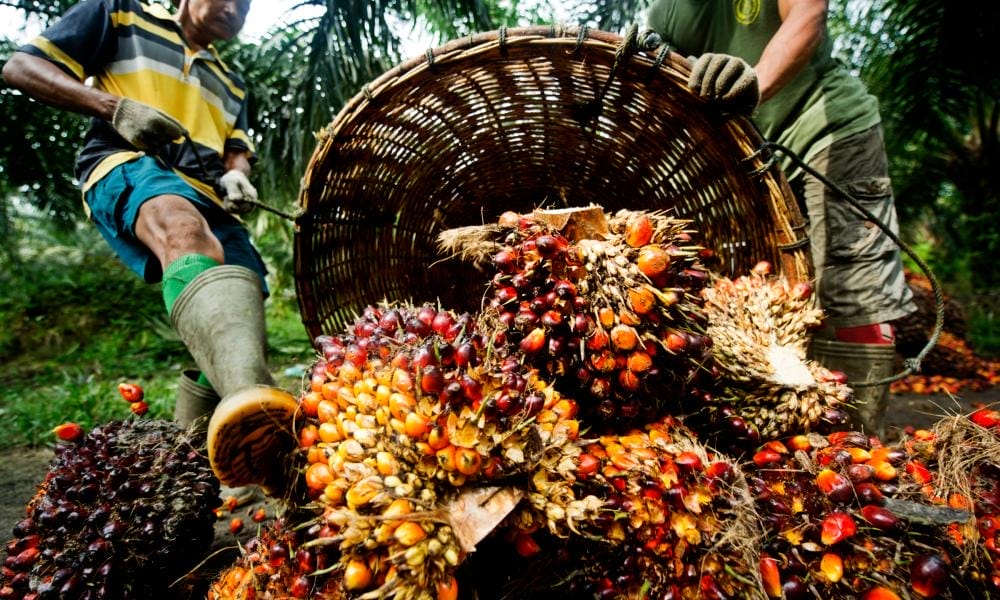
At the centre of the initiative is the Integrated Oil Palm Development Programme (2026–2032), which aims to develop about 100,000 hectares of oil palm plantations and create an estimated 250,000 jobs. GBC Ghana Online reported that the programme is designed not only to reduce import costs but also to position Ghana as a competitive agro-industrial hub within the wider West African market.
Officials said the strategy marks a shift from commodity trading toward joint production and value addition partnerships, emphasizing long-term industrial collaboration over external borrowing. By strengthening domestic supply chains, authorities aim to conserve foreign exchange, support rural employment and build resilience in the agricultural sector.