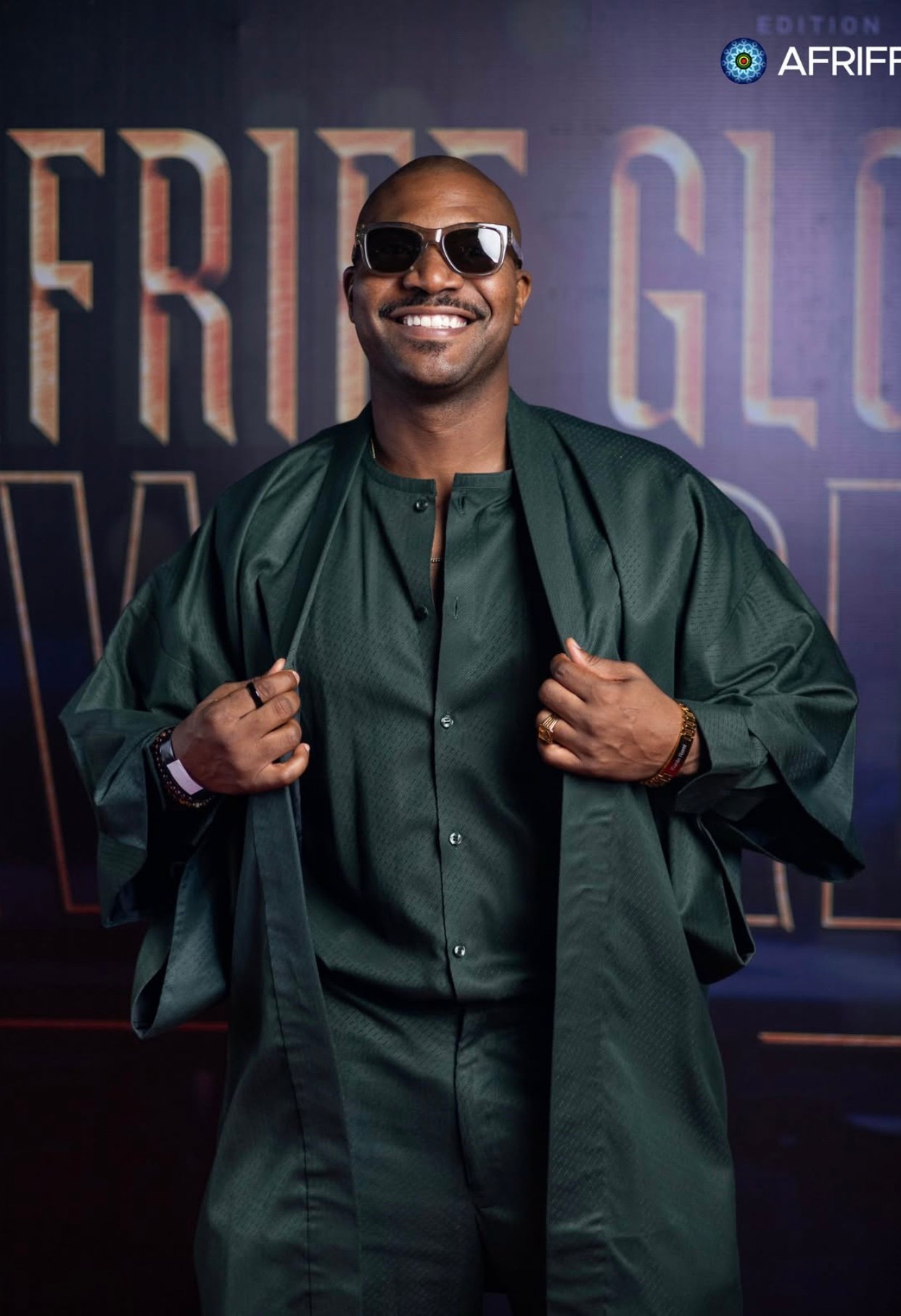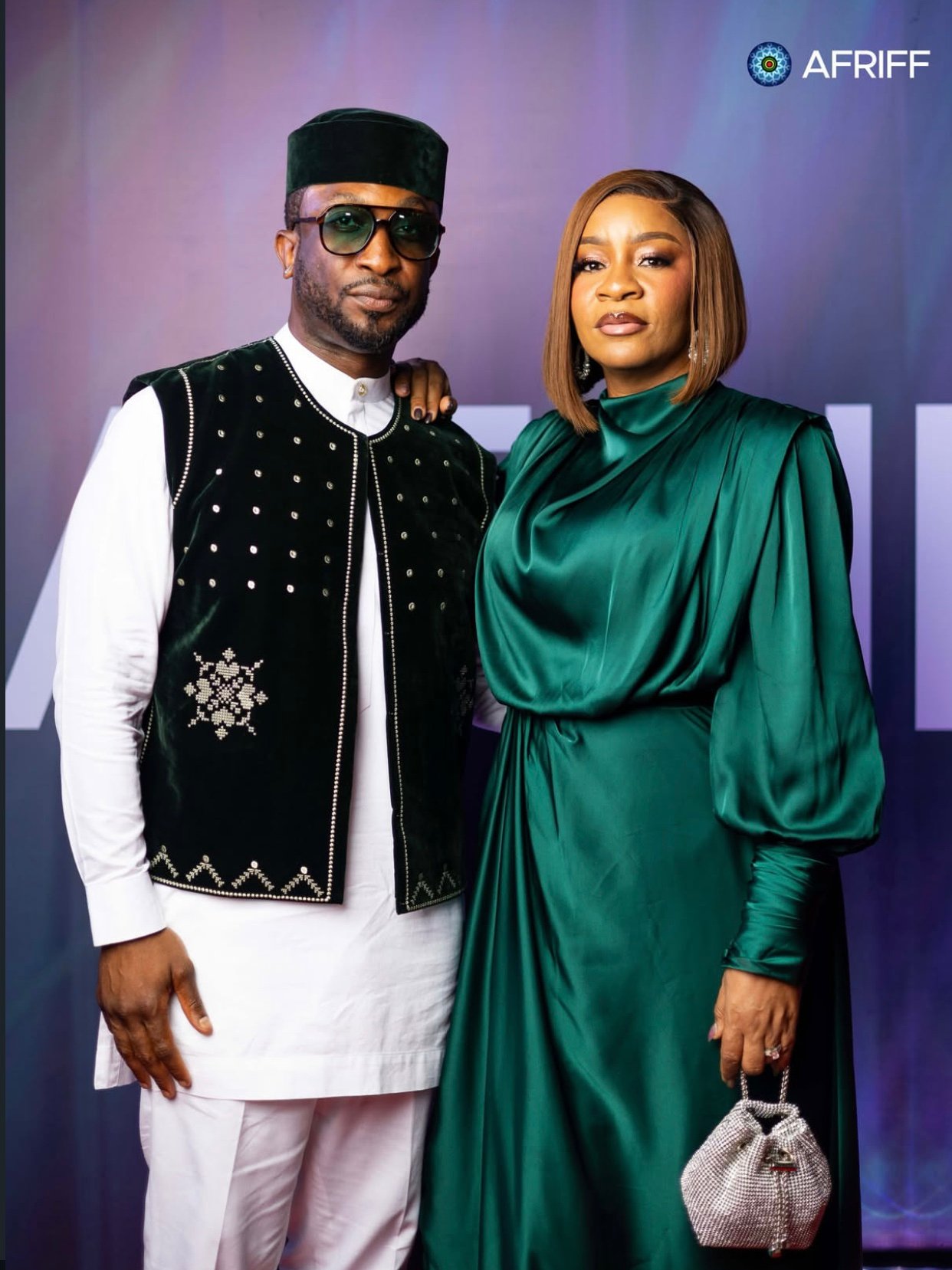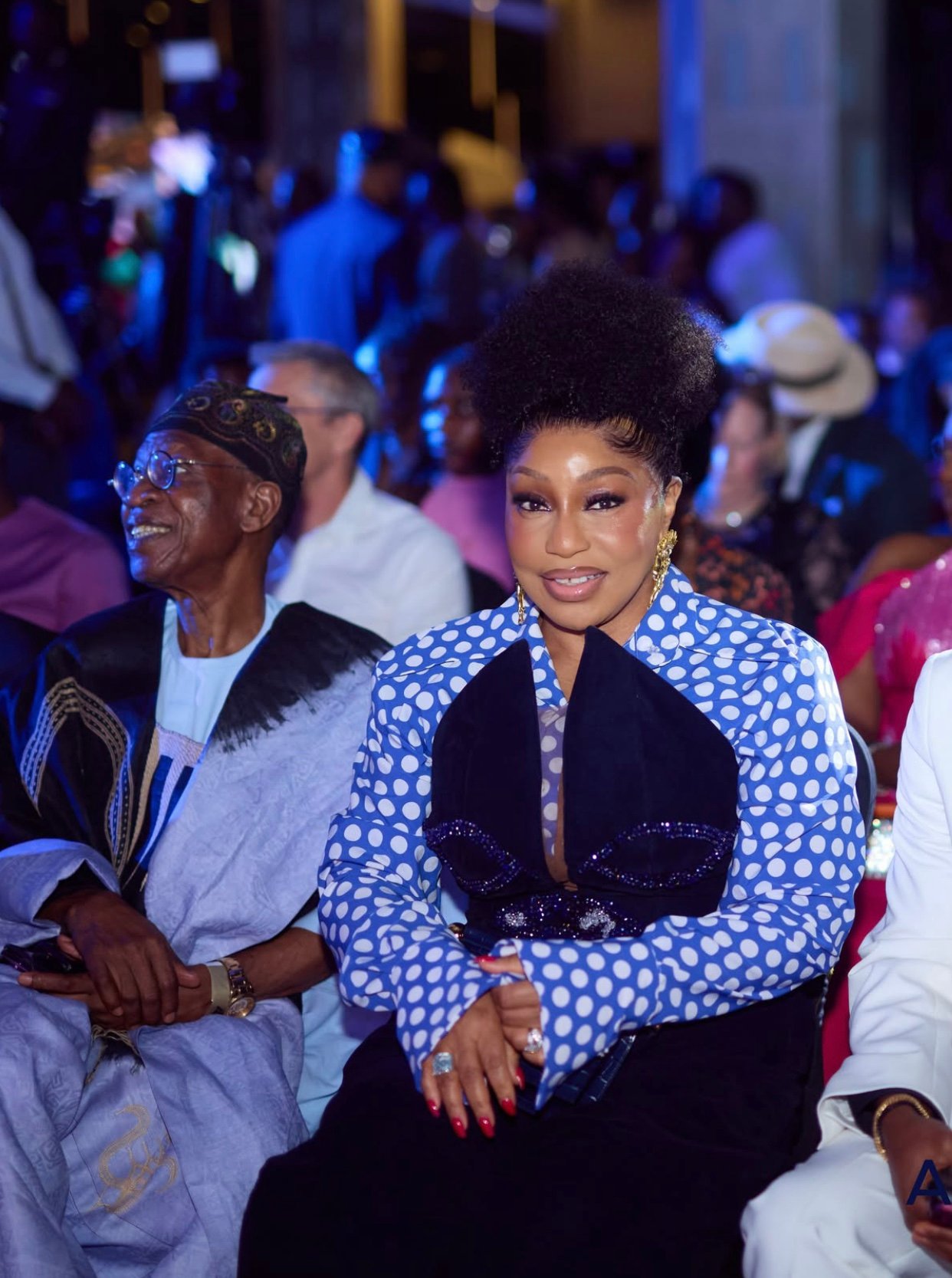

The Africa International Film Festival (AFRIFF) is a major annual film festival and industry gathering in Nigeria that promotes African and diasporic cinema, founded in 2010 by Chioma Ude, a Nigerian media entrepreneur and entertainment executive.
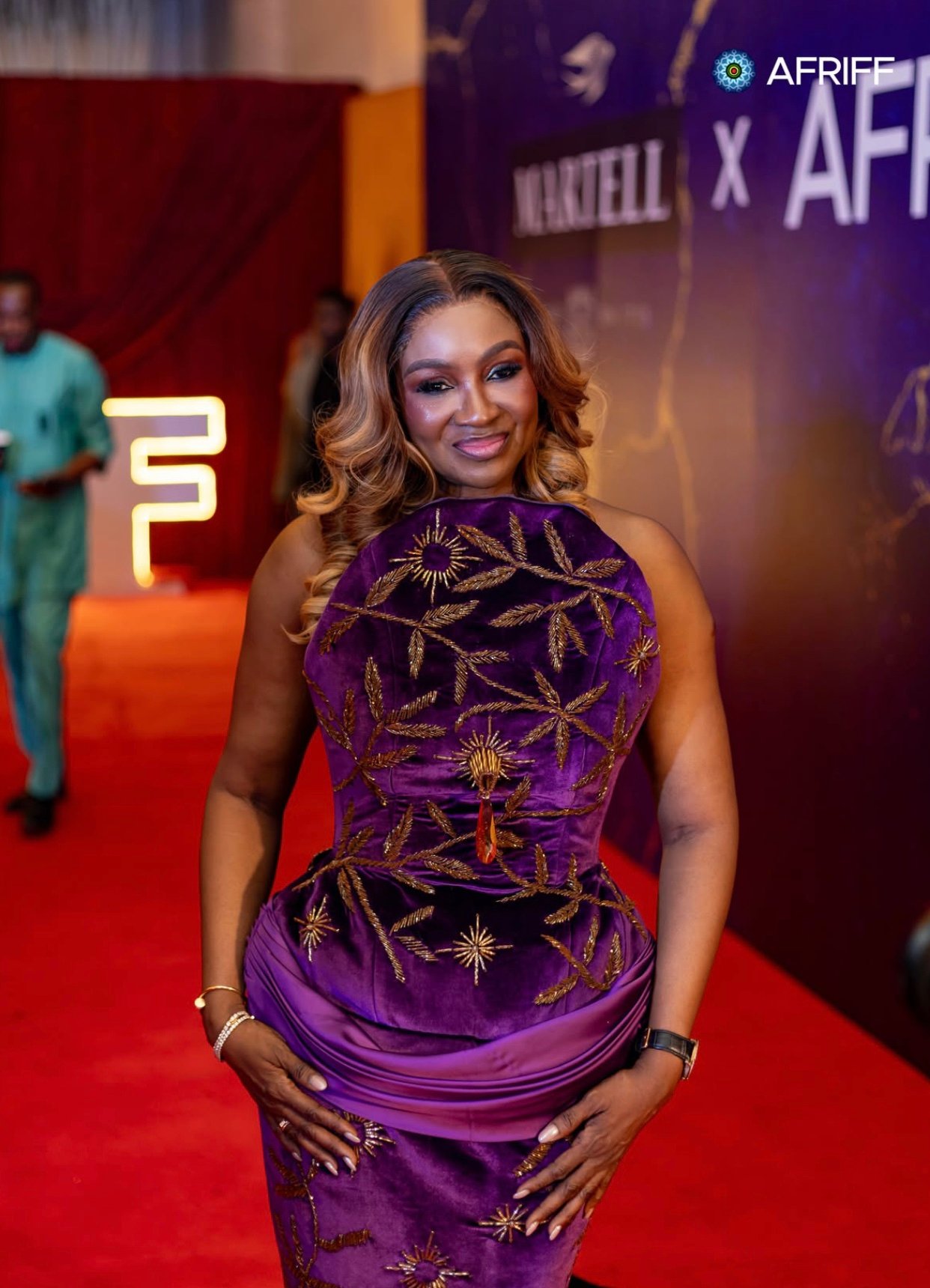
Speaking on the vision behind the edition, Chioma Ude said, “African cinema is entering an exciting new chapter, driven not only by the power of our stories but also by the intelligence, innovation and enterprise behind them. With ‘Frames of the Future: Africa’s Creative Intelligence,’ we are celebrating the people reimagining how African stories are created, financed, experienced and shared with the world. AFRIFF 2026 is designed to inspire new possibilities, encourage meaningful industry connections and help translate Africa’s creative potential into sustainable opportunities.”
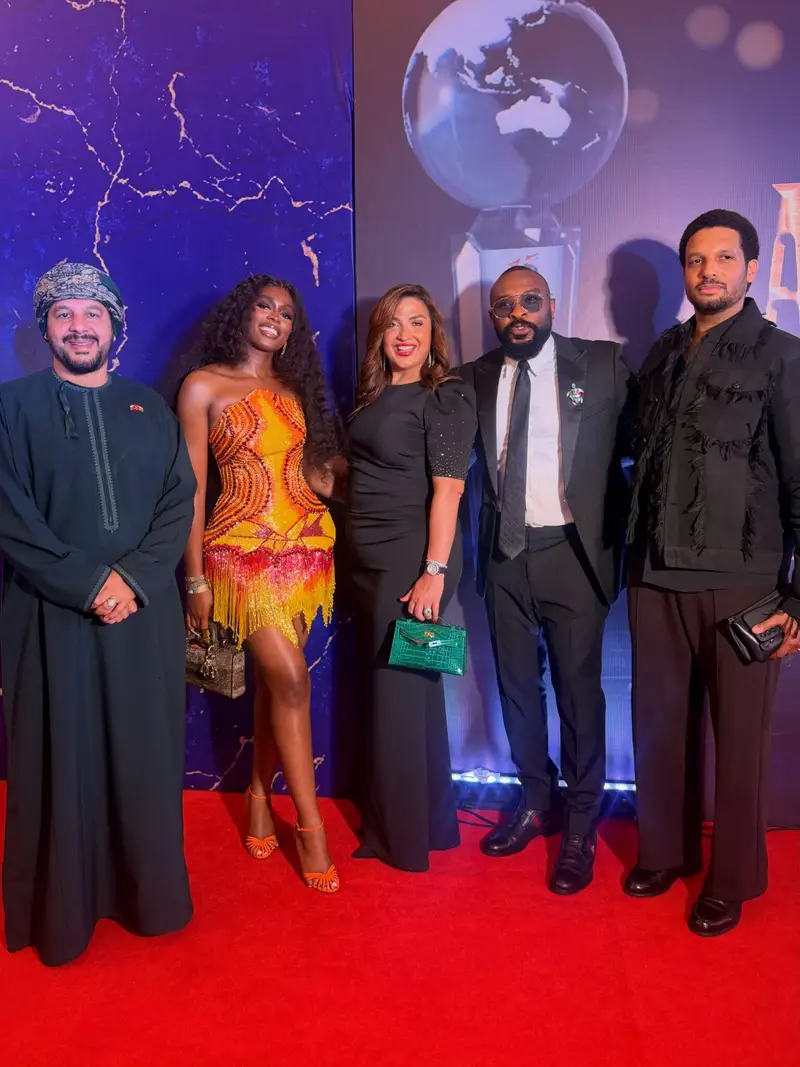
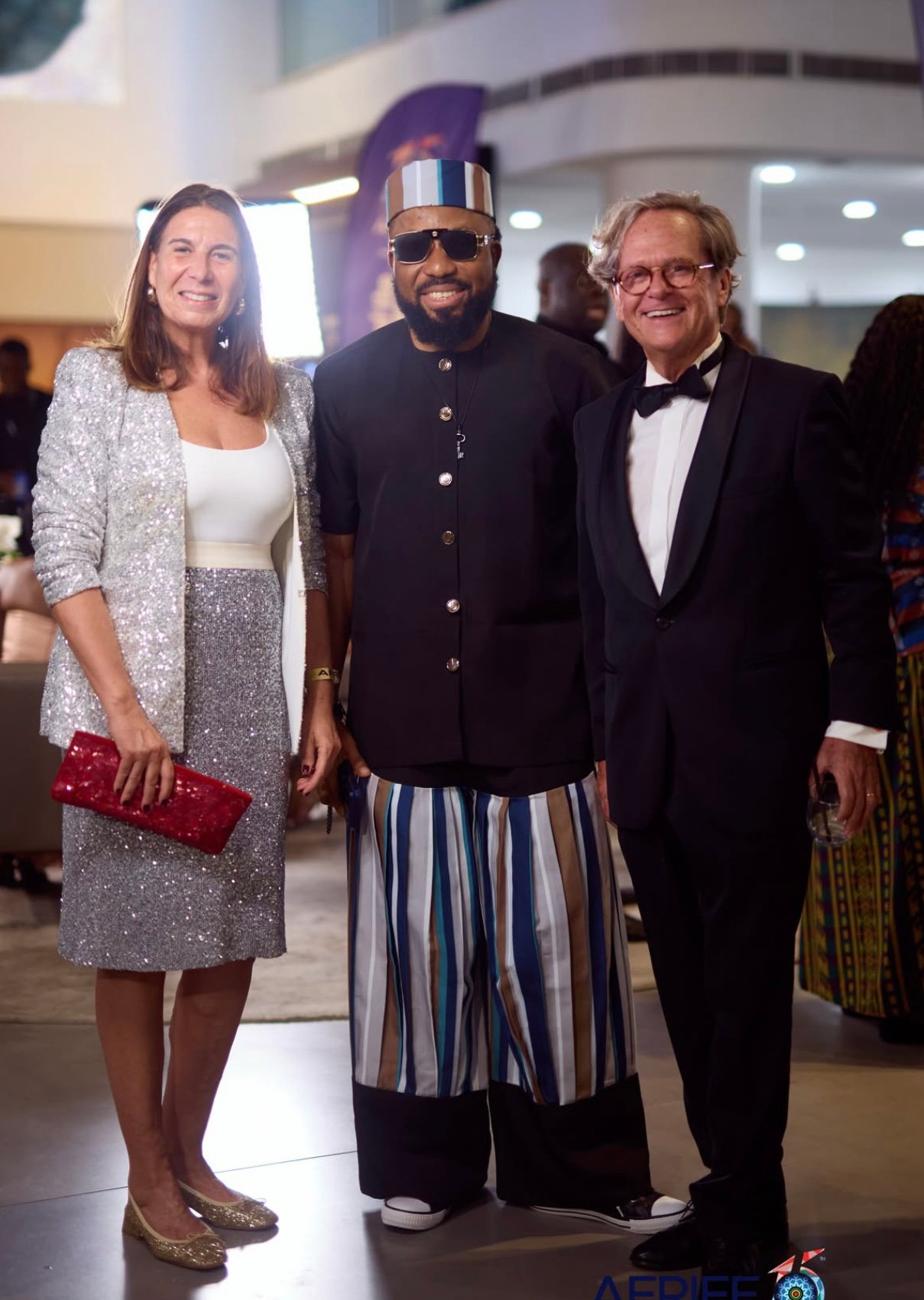
Key Highlights from AFRIFF 2026
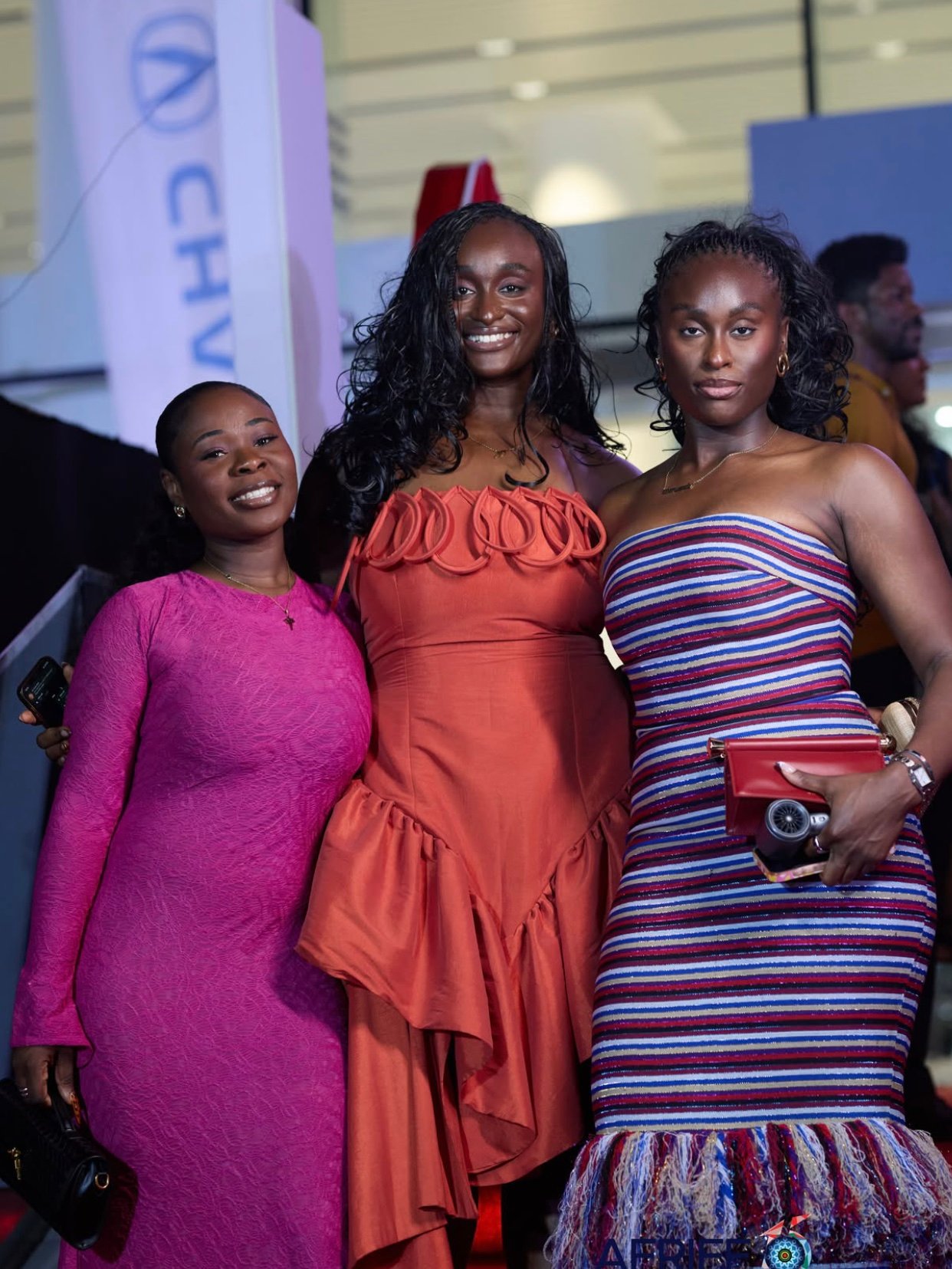
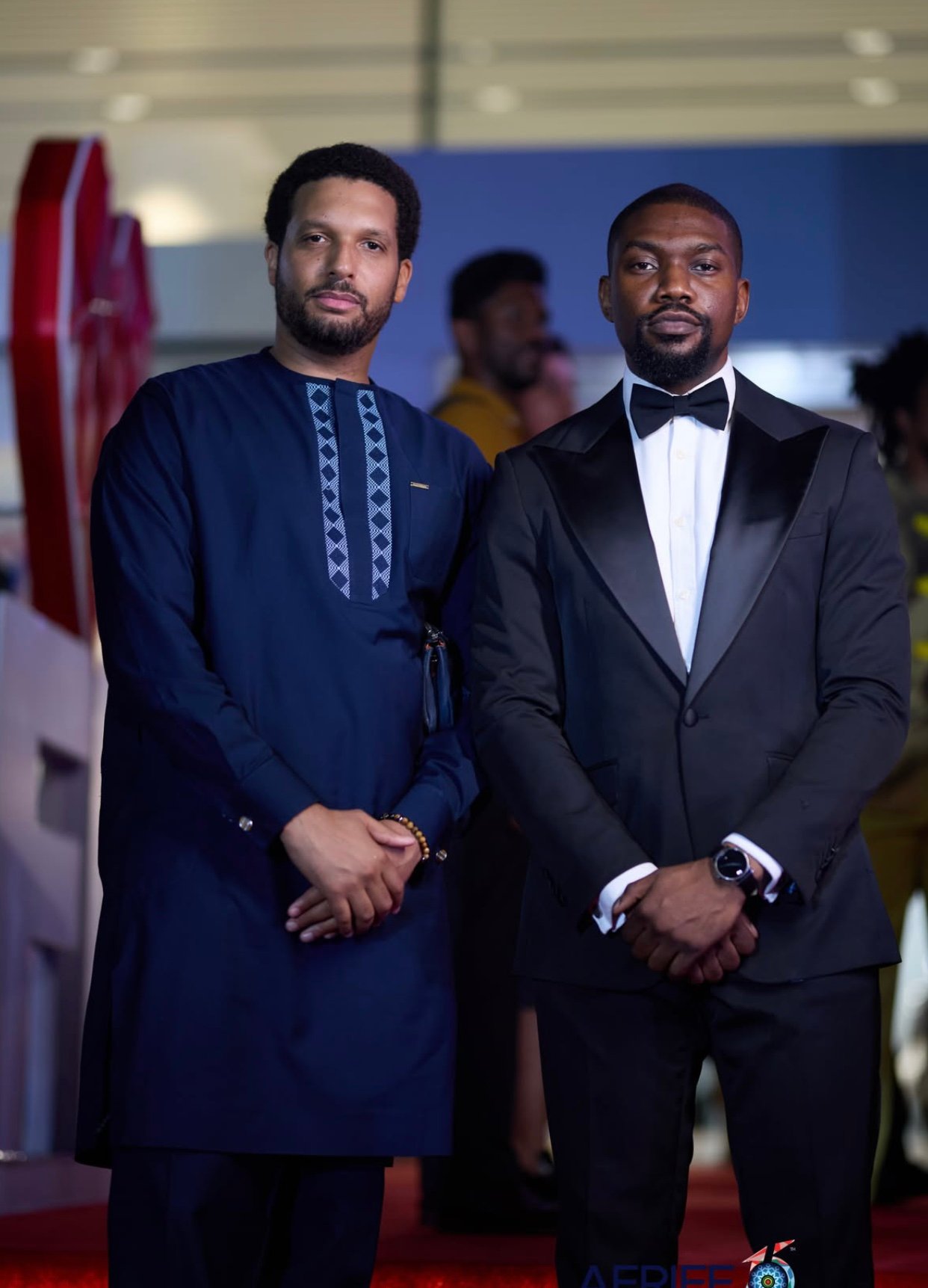

A Diverse Showcase of African and Diasporic Cinema
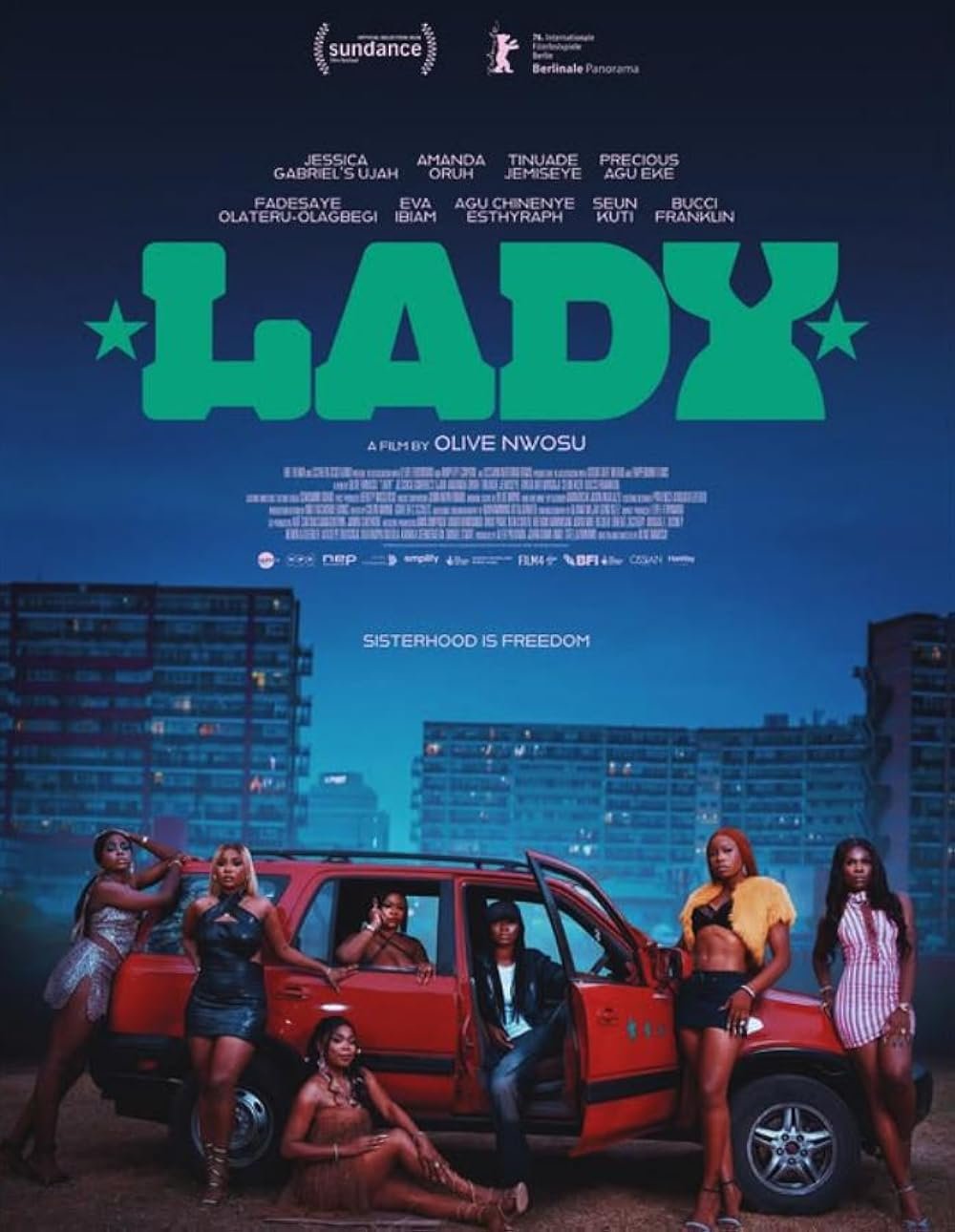
The 15th edition presented 135 film selections from across Africa and the diaspora, including 23 feature films. The selection brought together Nigerian dramas, productions emerging from international embassy partnerships and stories from other parts of the continent, also the premiere of Olive Nwosu’s critically acclaimed film Lady, which previously won a Special Jury Award at the Sundance Film Festival and screened at Berlinale and London.
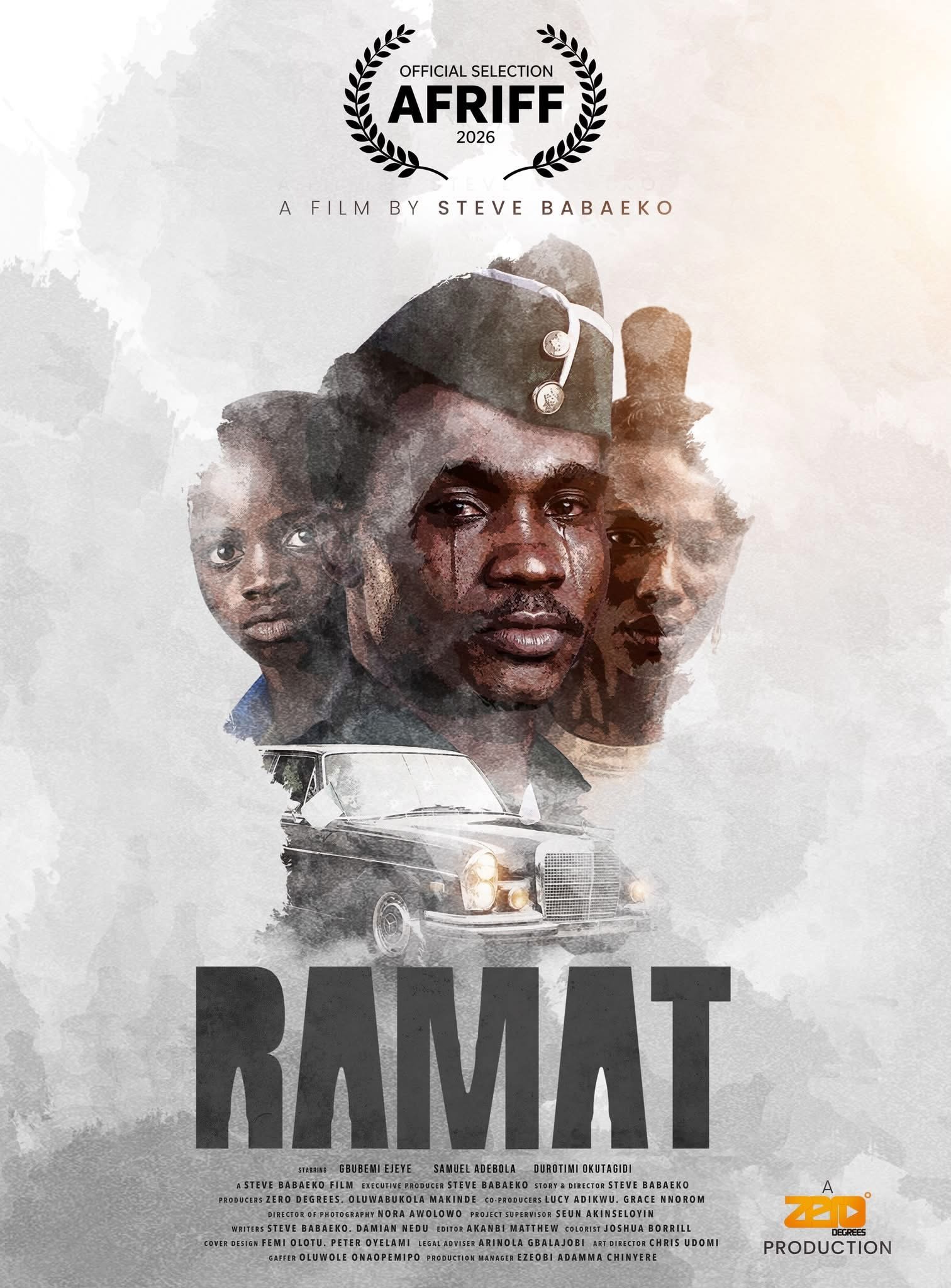
An Opening Night Filled with Global Star Power
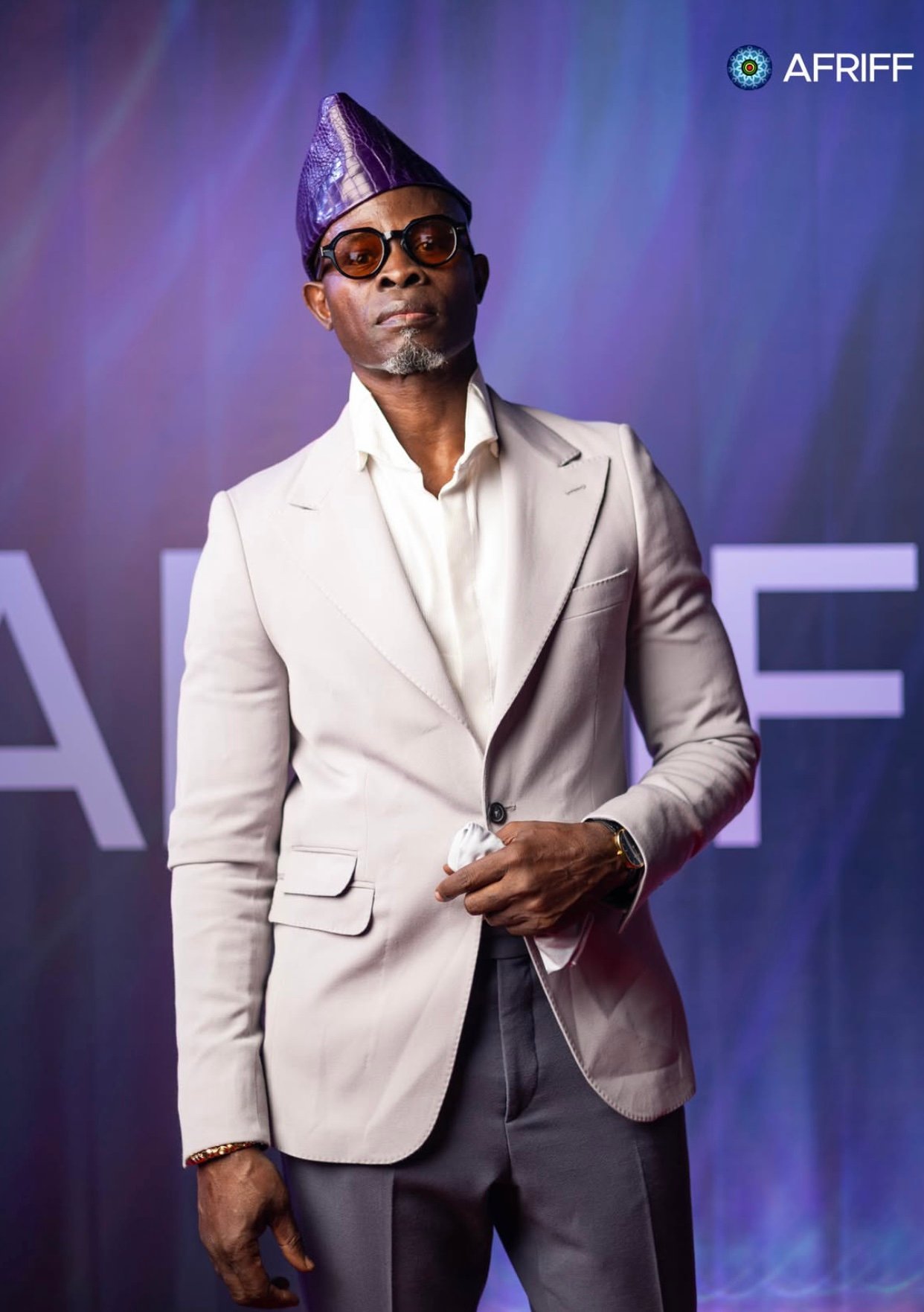
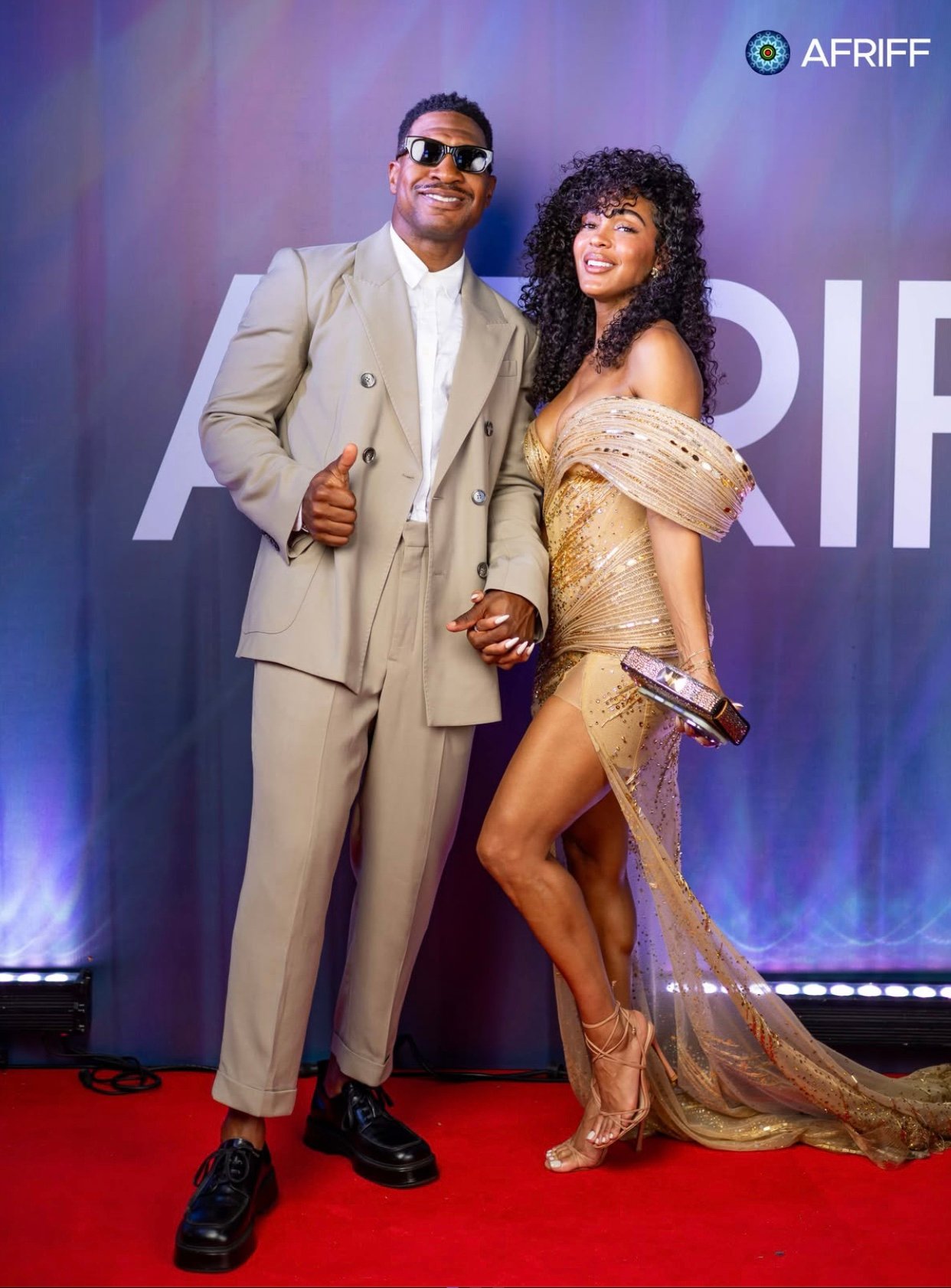
The festival’s opening night attracted notable personalities from Nollywood, Hollywood and the wider international entertainment industry. Among the international guests were American actors Meagan Good and Jonathan Majors, alongside Beninese-American actor Djimon Hounsou. Their presence added to the festival’s international profile and reinforced AFRIFF’s position as a meeting point for African and global cinema.
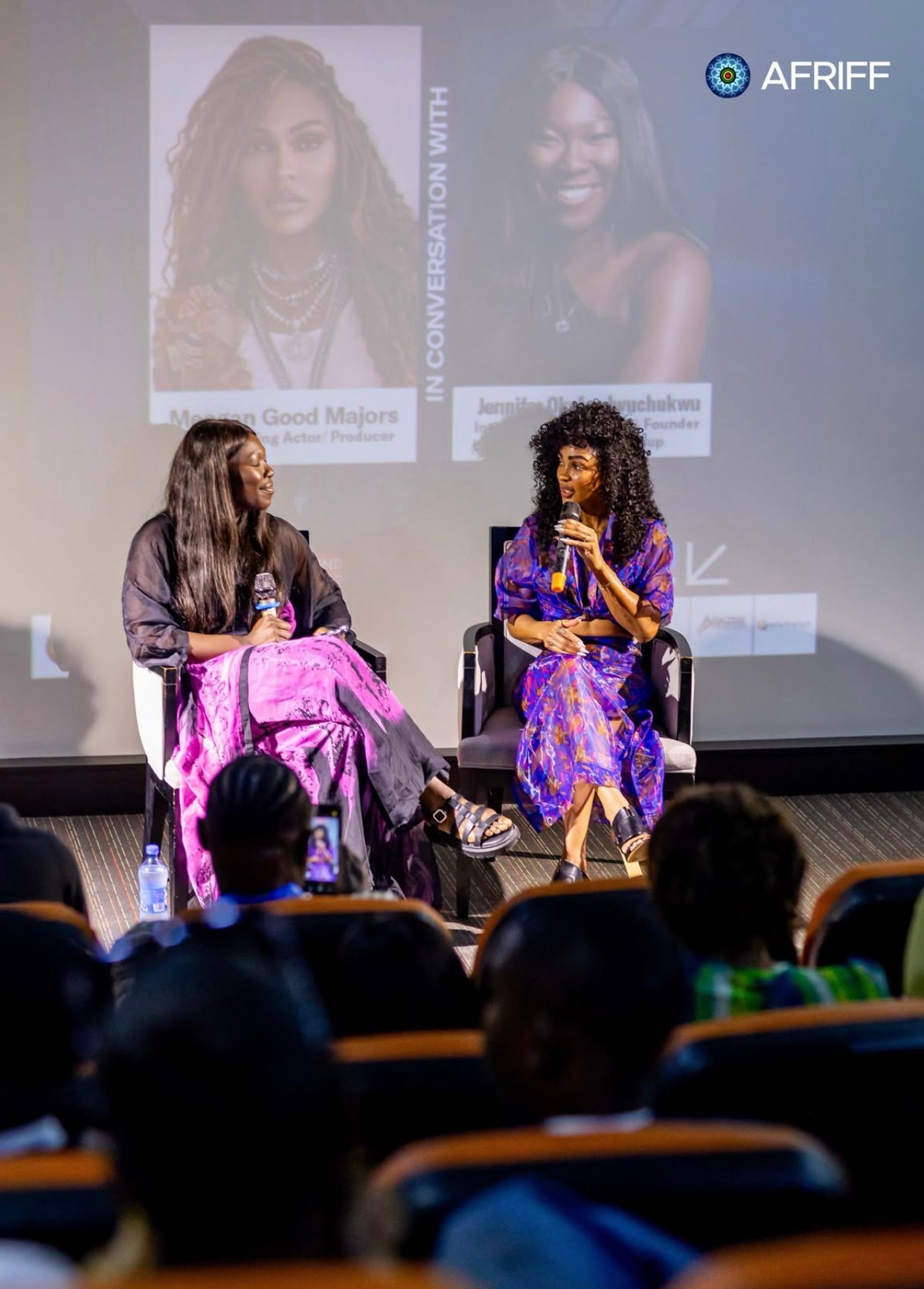
Where Fashion Meets Film
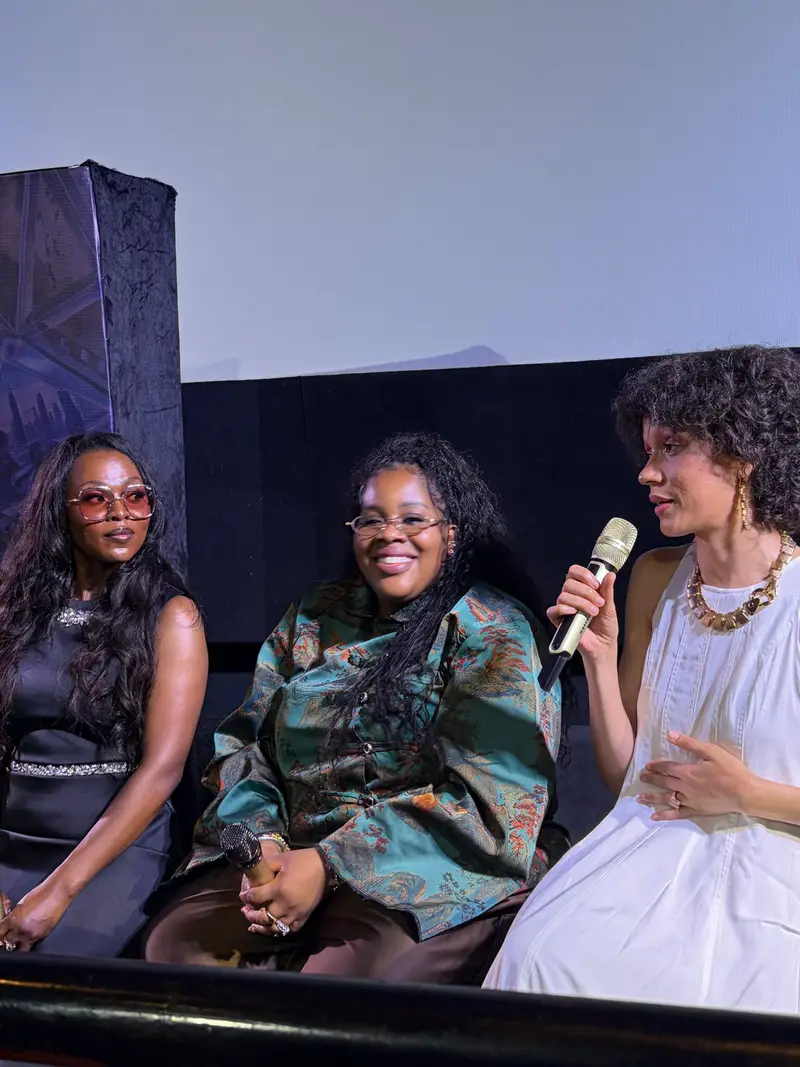
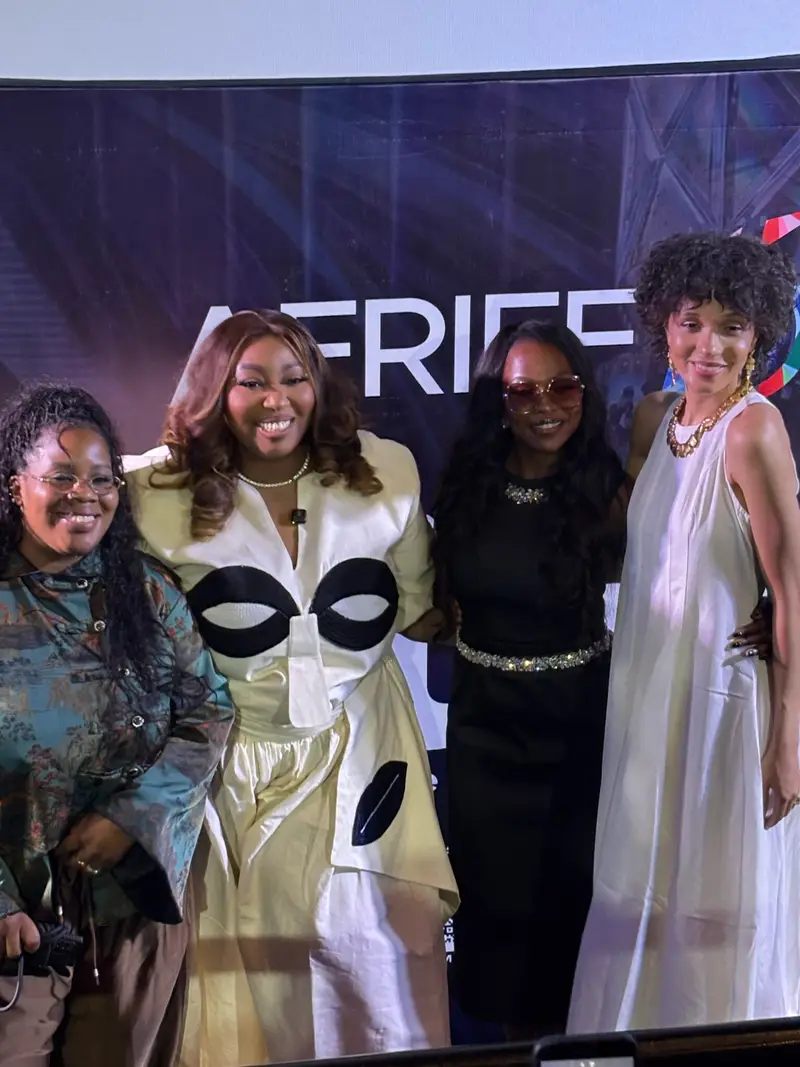
Beyond its film screenings, AFRIFF 2026 explored the relationship between fashion, identity and visual storytelling. One of the standout conversations was titled “From Catwalk to Character: Dressing the Story, Styling the Diaspora.” The session featured Nigerian actress and filmmaker Eku Edewor, American actress and filmmaker Yetide Badaki, celebrity stylist and fashion curator Kanayo Ebi Akinsola, and fashion journalist and creative director Latasha Ngwube. The discussion examined how costume, styling and fashion contribute to character development, cultural representation and the visual language of cinema.
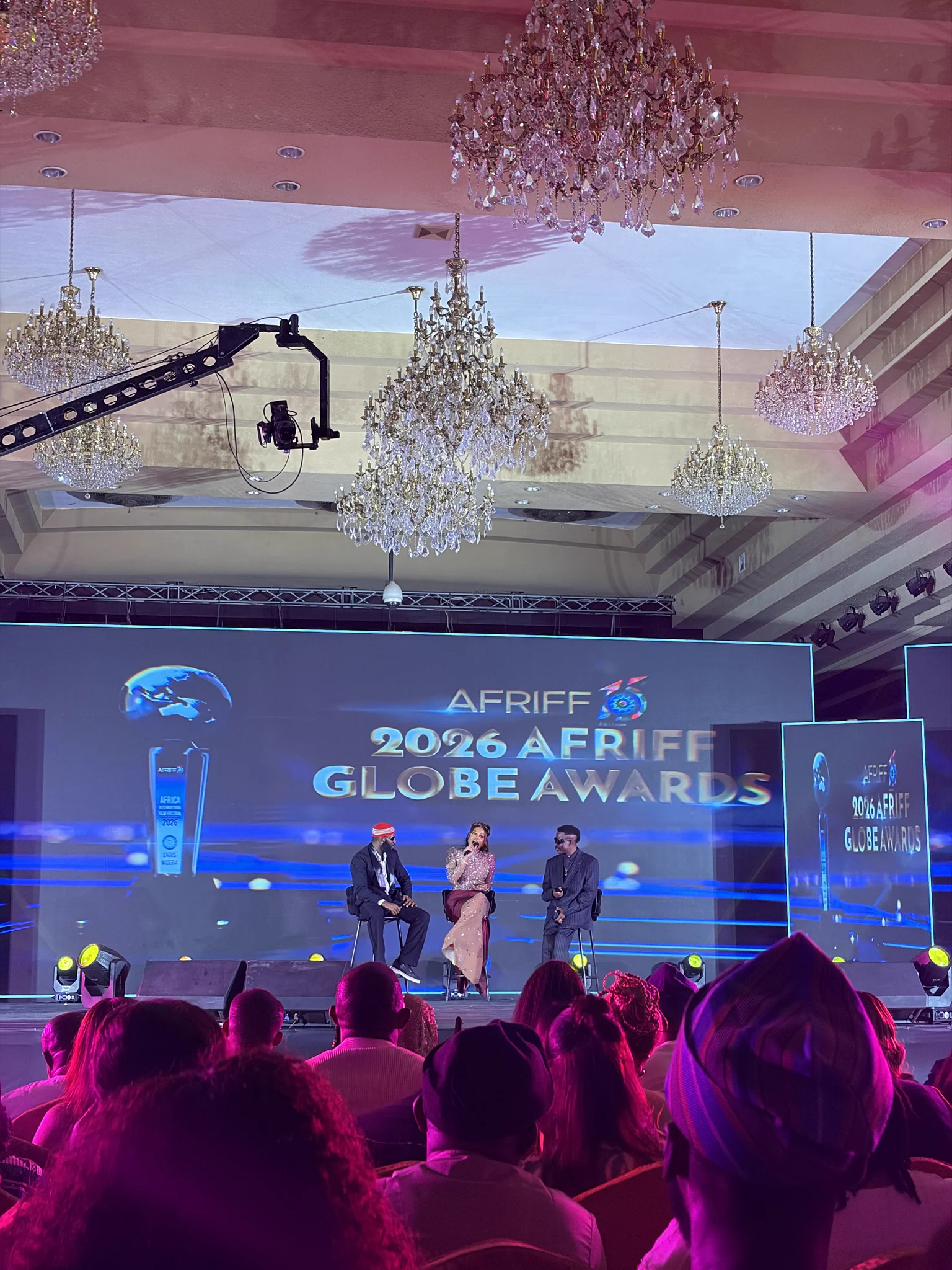
A Grand Finale at the AFRIFF Globe Awards
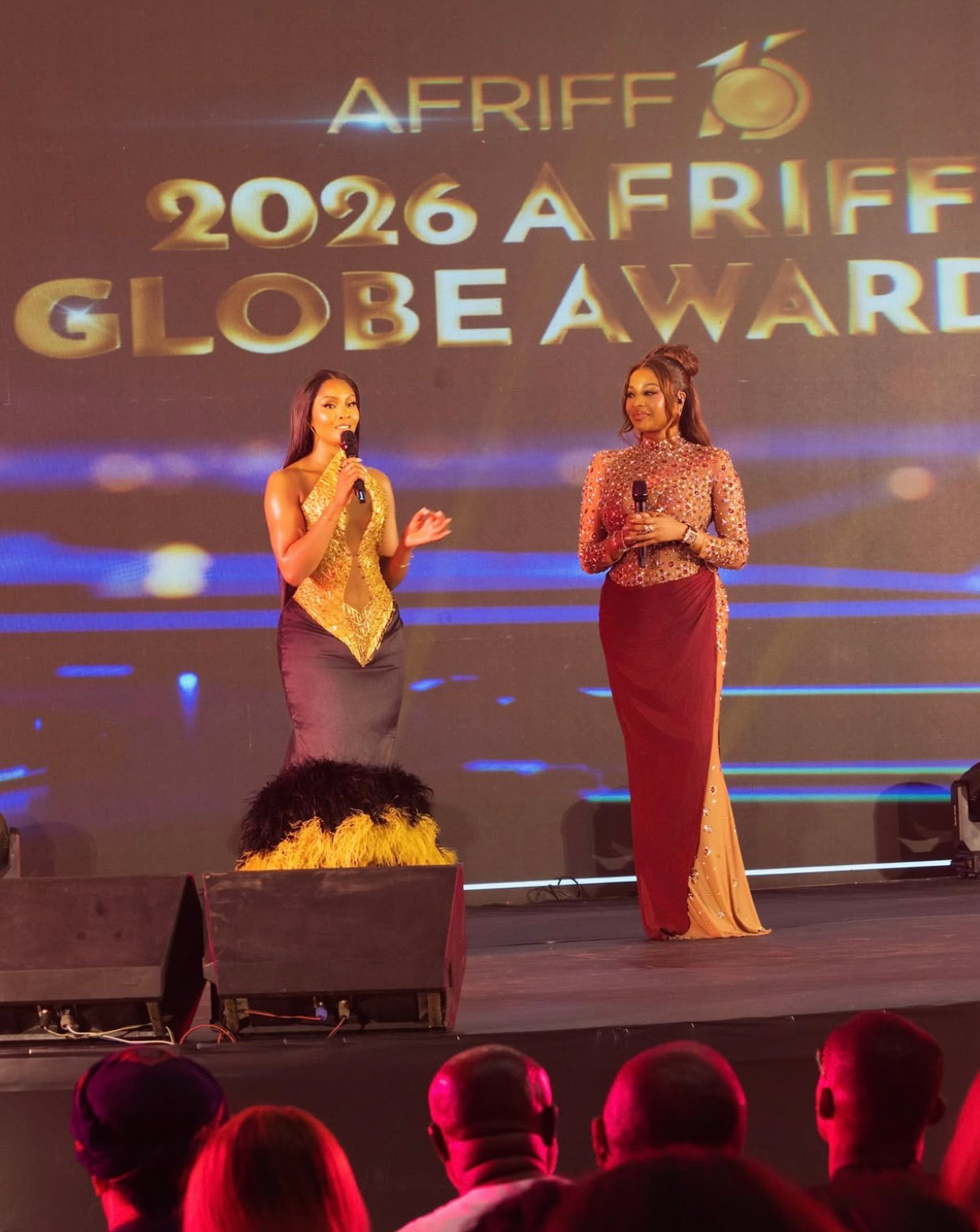
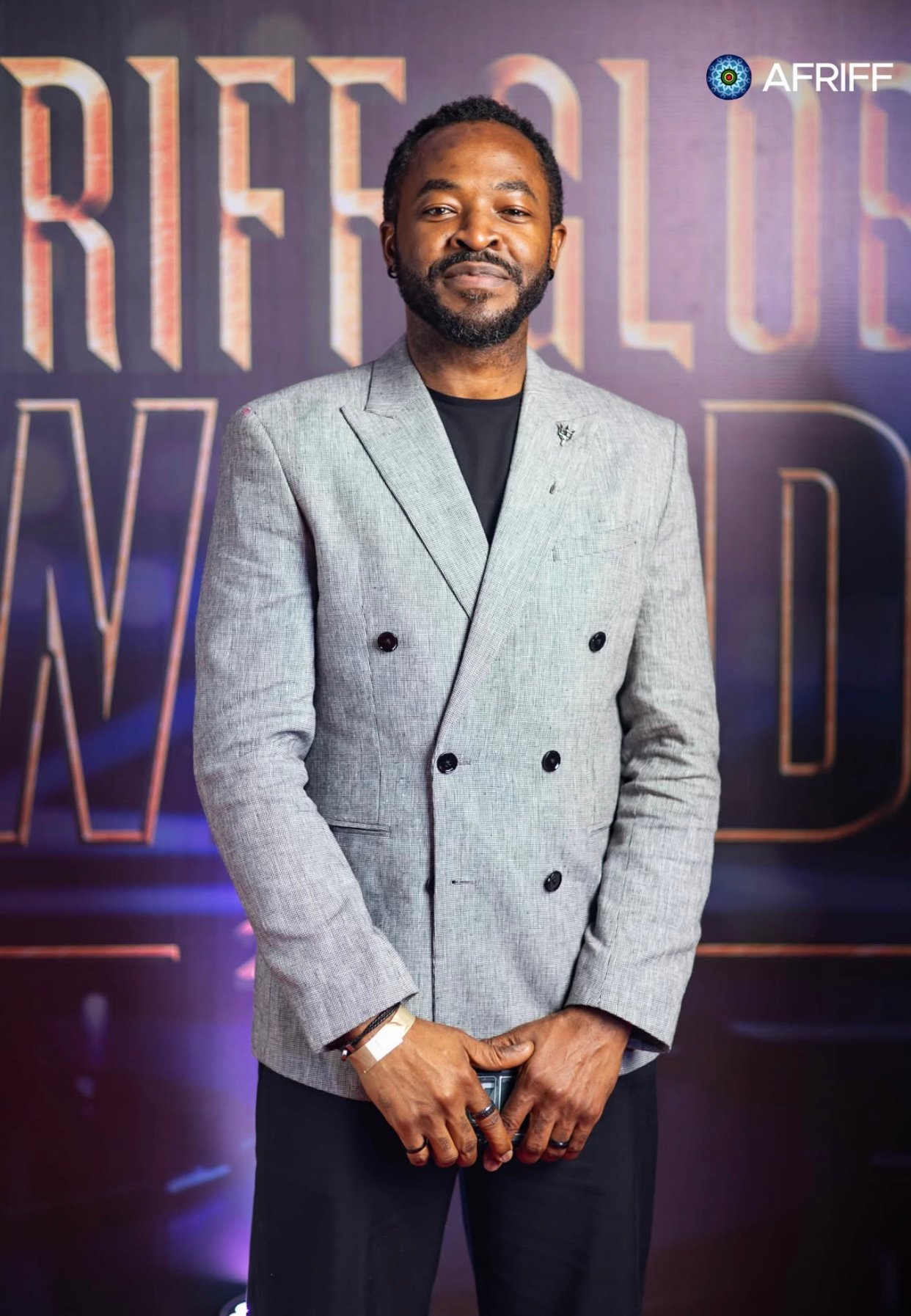
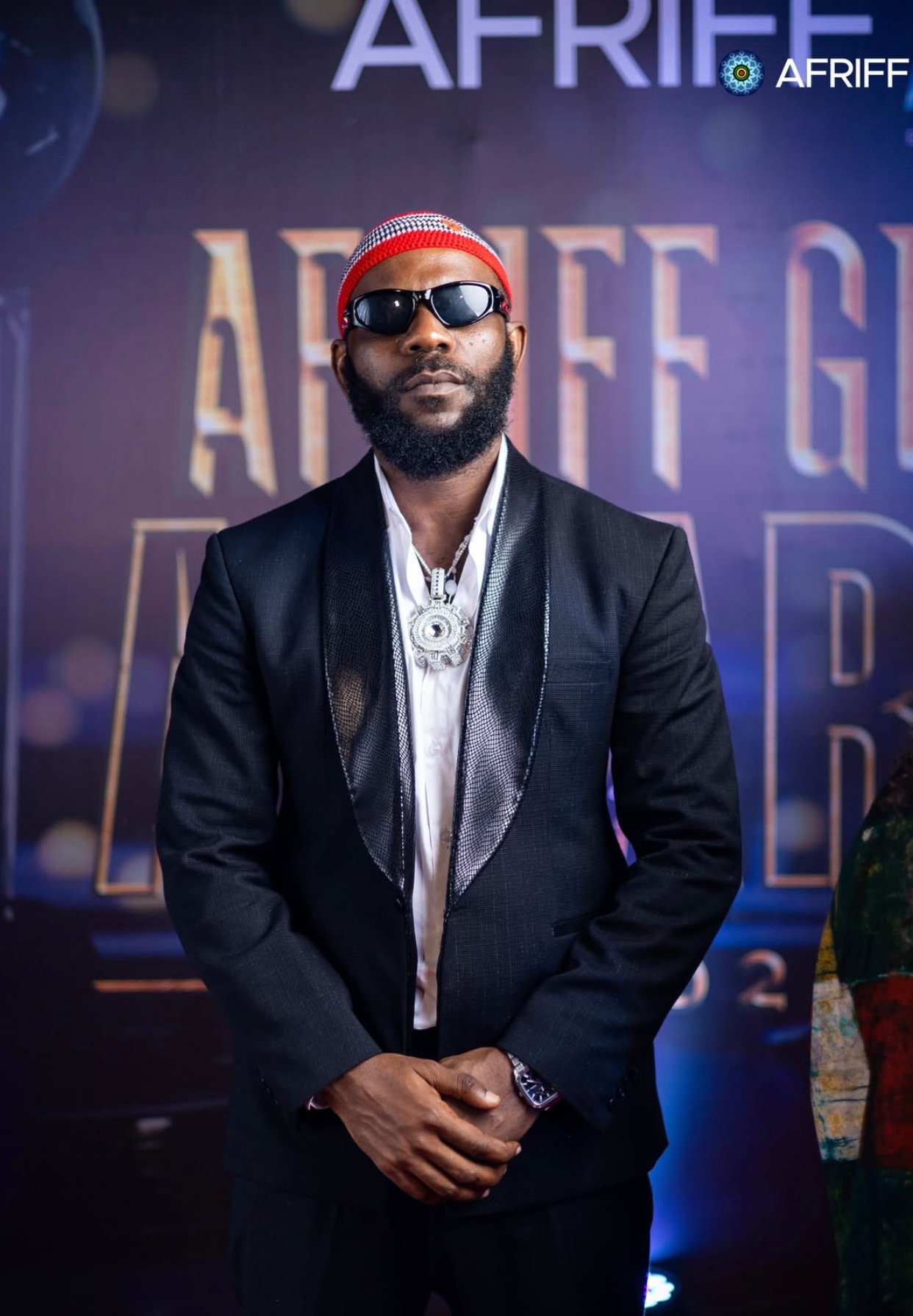
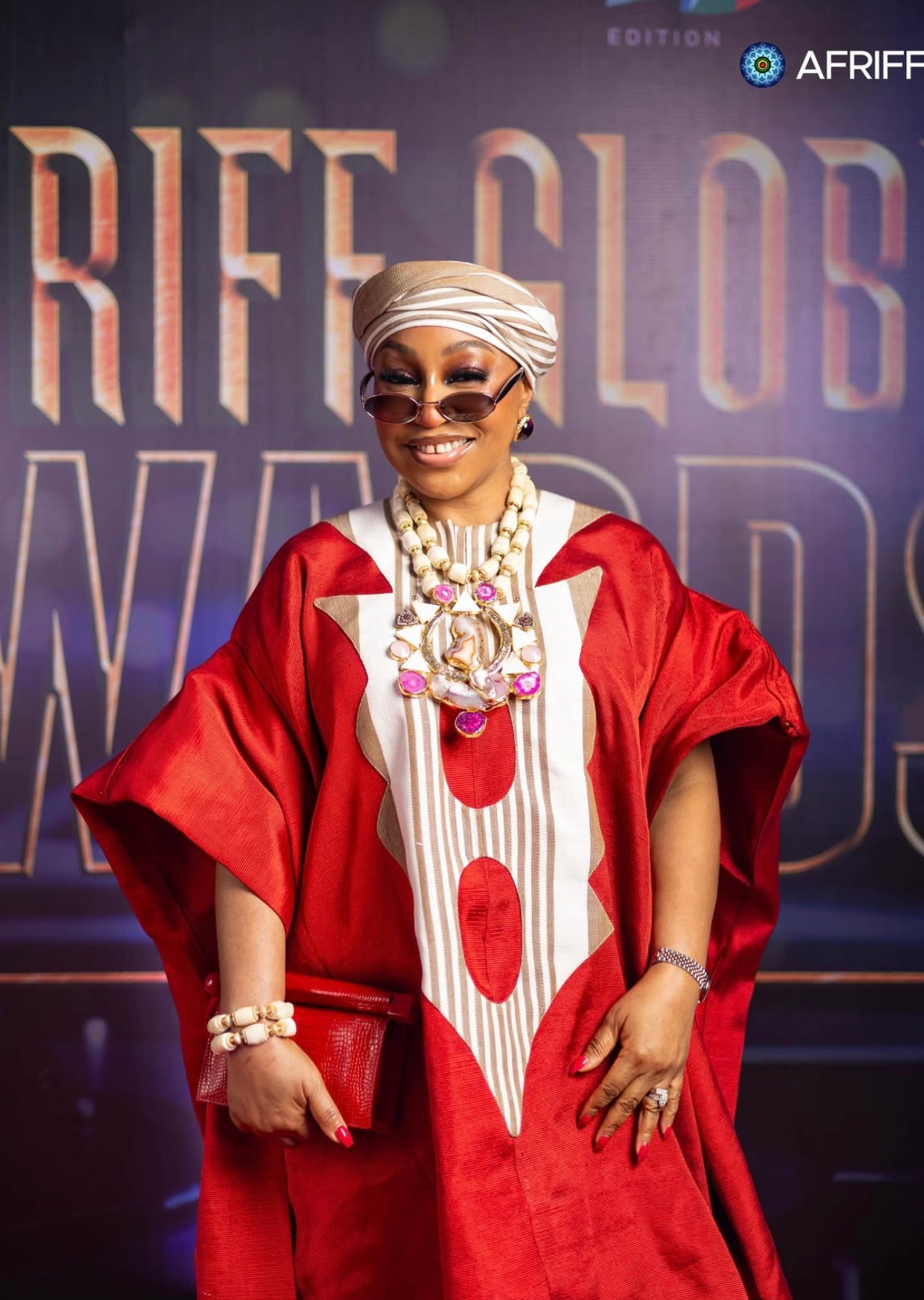
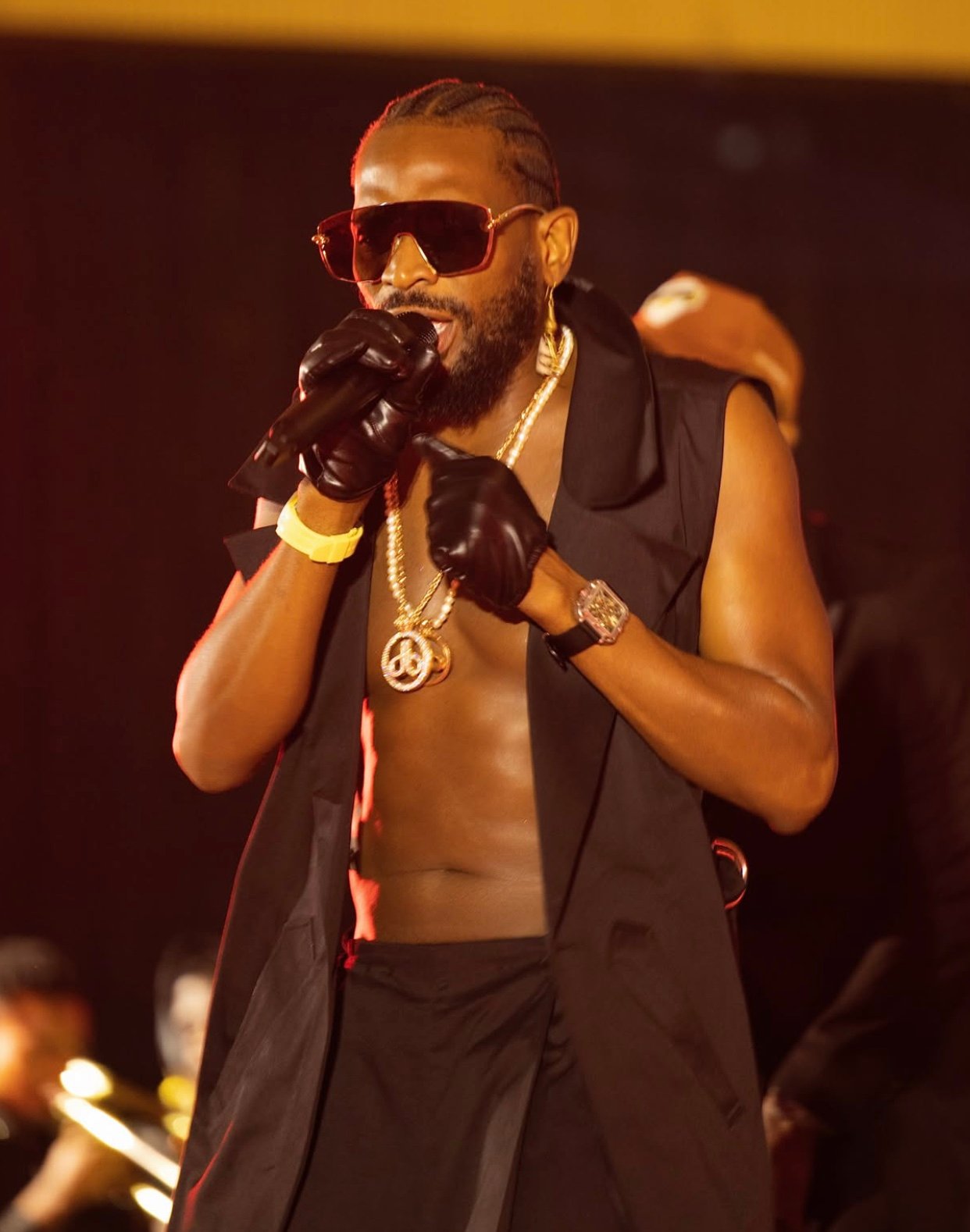
The festival concluded with the AFRIFF Globe Awards, bringing together prominent names from film, fashion, music and entertainment. The ceremony welcomed Nollywood actresses Iyabo Ojo, Rita Dominic and Uche Jombo; fashion personality Ugo Mozie; music video director TG Omori; American actress Yaya DaCosta; Williams Uchemba; Kunle Afolayan; Timi Dakolo; Flavour; Odumodublvck; and D’banj. The evening was hosted by Osas Ighodaro and Keturah King.

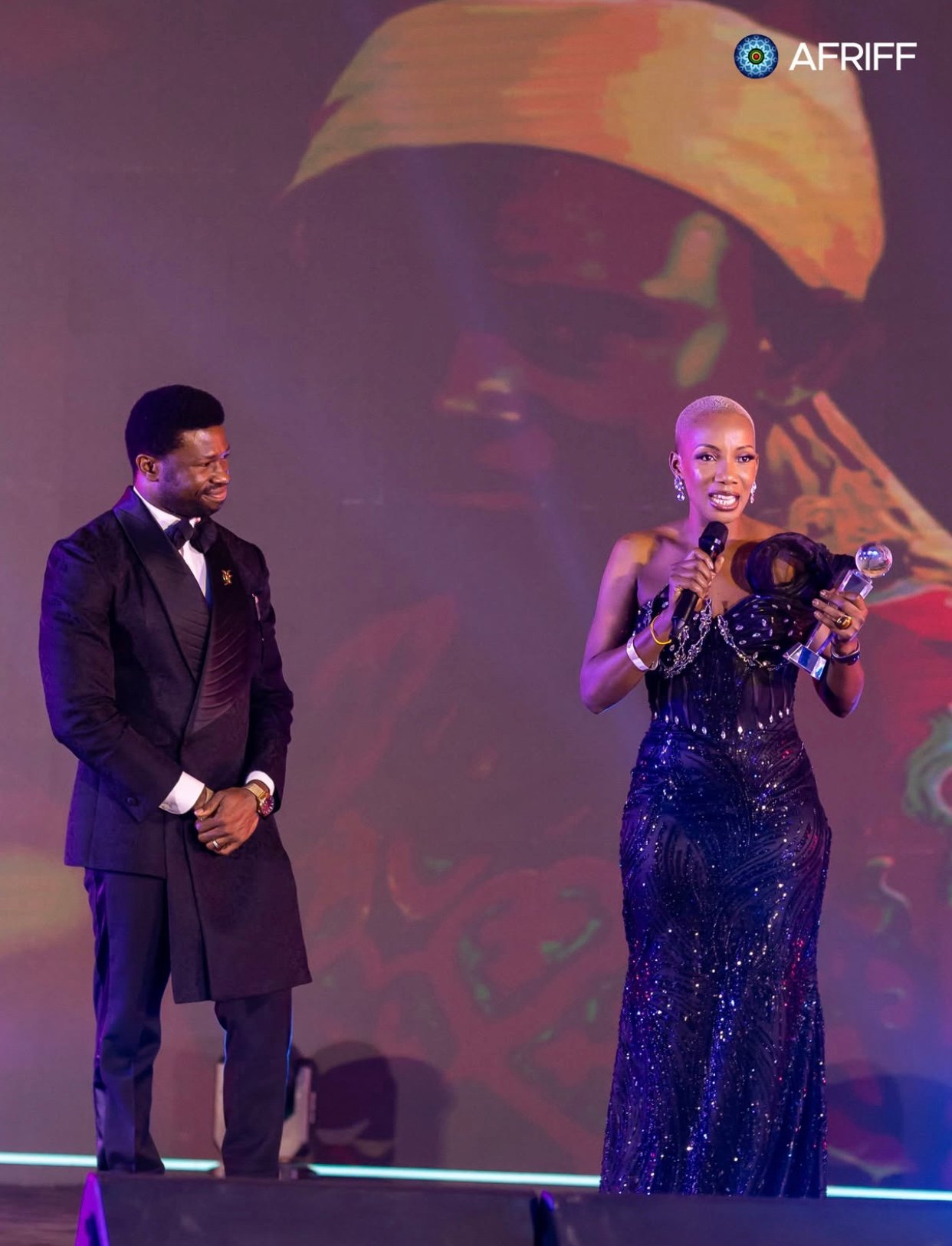
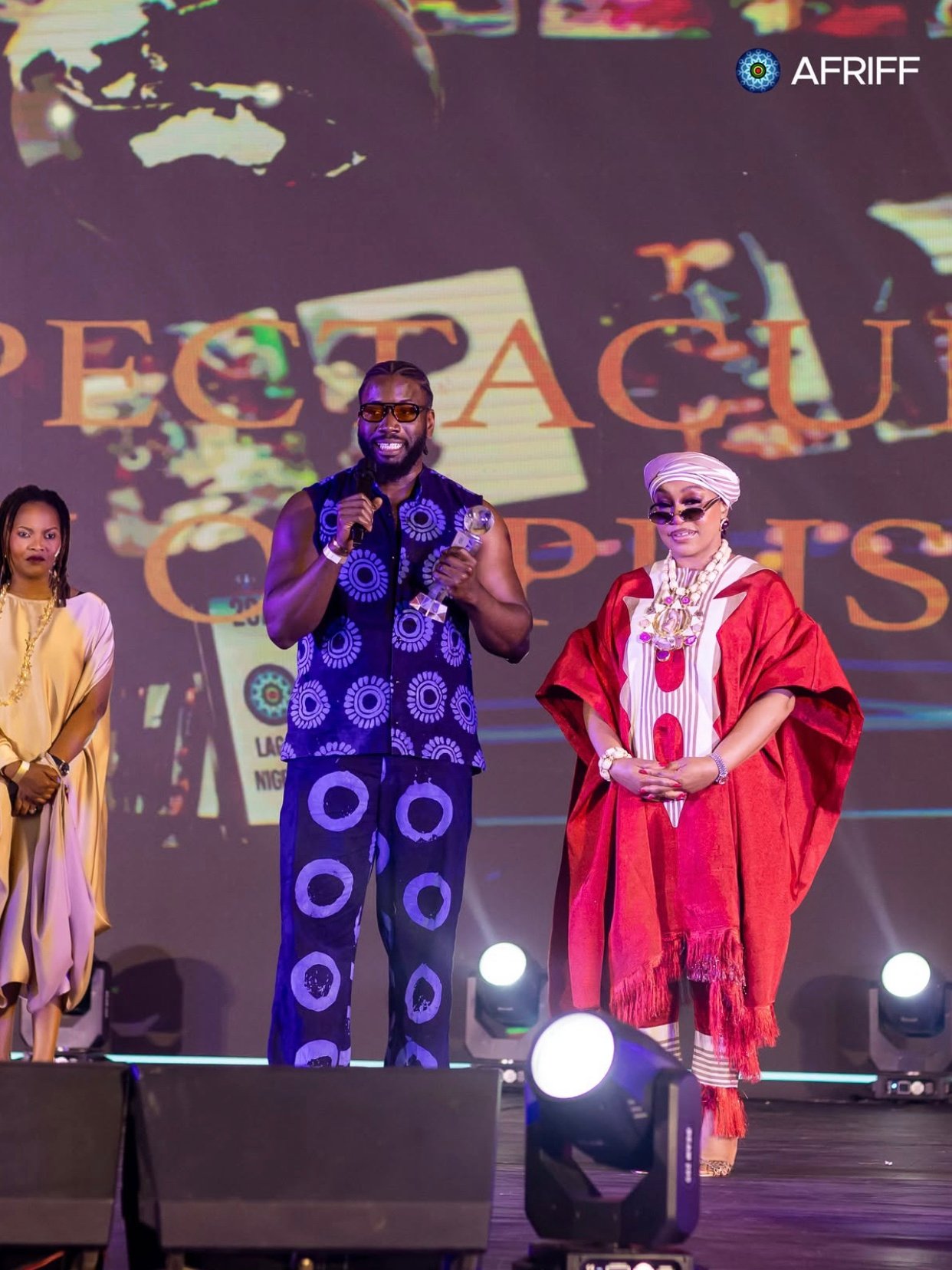
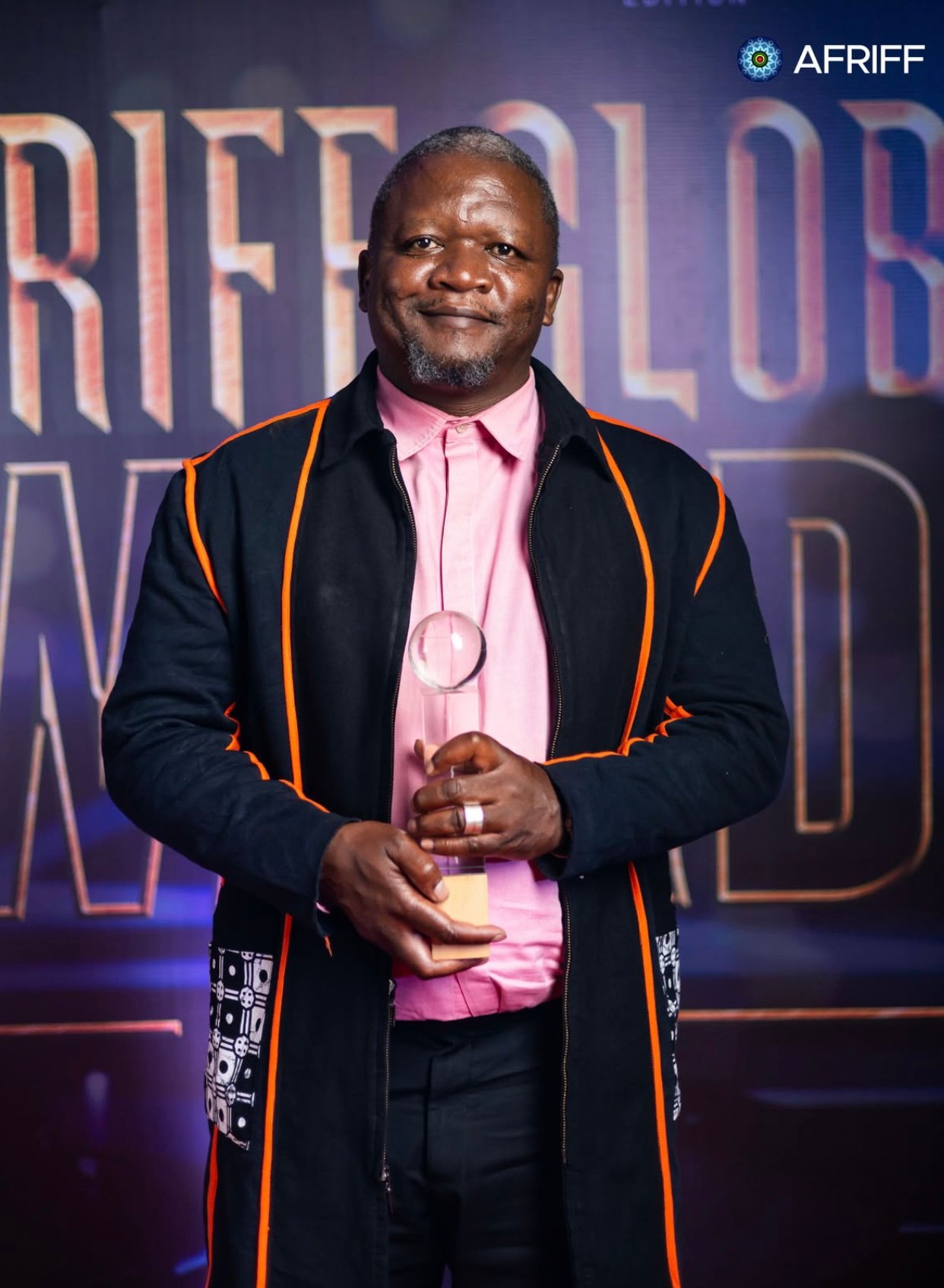
AFRIFF Globe Awards 2026 Winners
Best Screenplay: The Tropic Sun and His Eyes, Elisee Junior St. Preux
Best Short Film: The Spectacular Death of Prisca, Kaelo
Best Feature Film: Slum Bomber, Maureen Nankya
Best Animation Film: Lice N’ Shine, Maria Byoma
Best International Feature Film: The Tropic Sun and His Eyes, Elisee Junior St. Preux
Best International Short Film: The Little Soldier, Roxan Karmi
Best Documentary Film: Miss Jobson, Amanda Sans Pantling
Best Documentary Short: Throne of Wood, Sadegh Kazemi
Best Actress: Sarah Karen, One Woman, One Bra
Herbert Wigwe Award for Excellence: Joel Chikapa Phiri
Herbert Wigwe Award for Excellence: Francis Nebot
Herbert Wigwe Award for Excellence: Danielle Brooks
Herbert Wigwe Award, Honourable Recipient: Kene Okwuosa

Celebrating the Future of African Cinema
Fifteen editions on, AFRIFF continues to provide a platform for African filmmakers to present their work, build meaningful industry relationships and engage with the international creative economy. Through its film selections, industry conversations and awards, the festival reflects the growing ambition of African cinema and the importance of investing in the talent, infrastructure and enterprise required to take its stories further.