
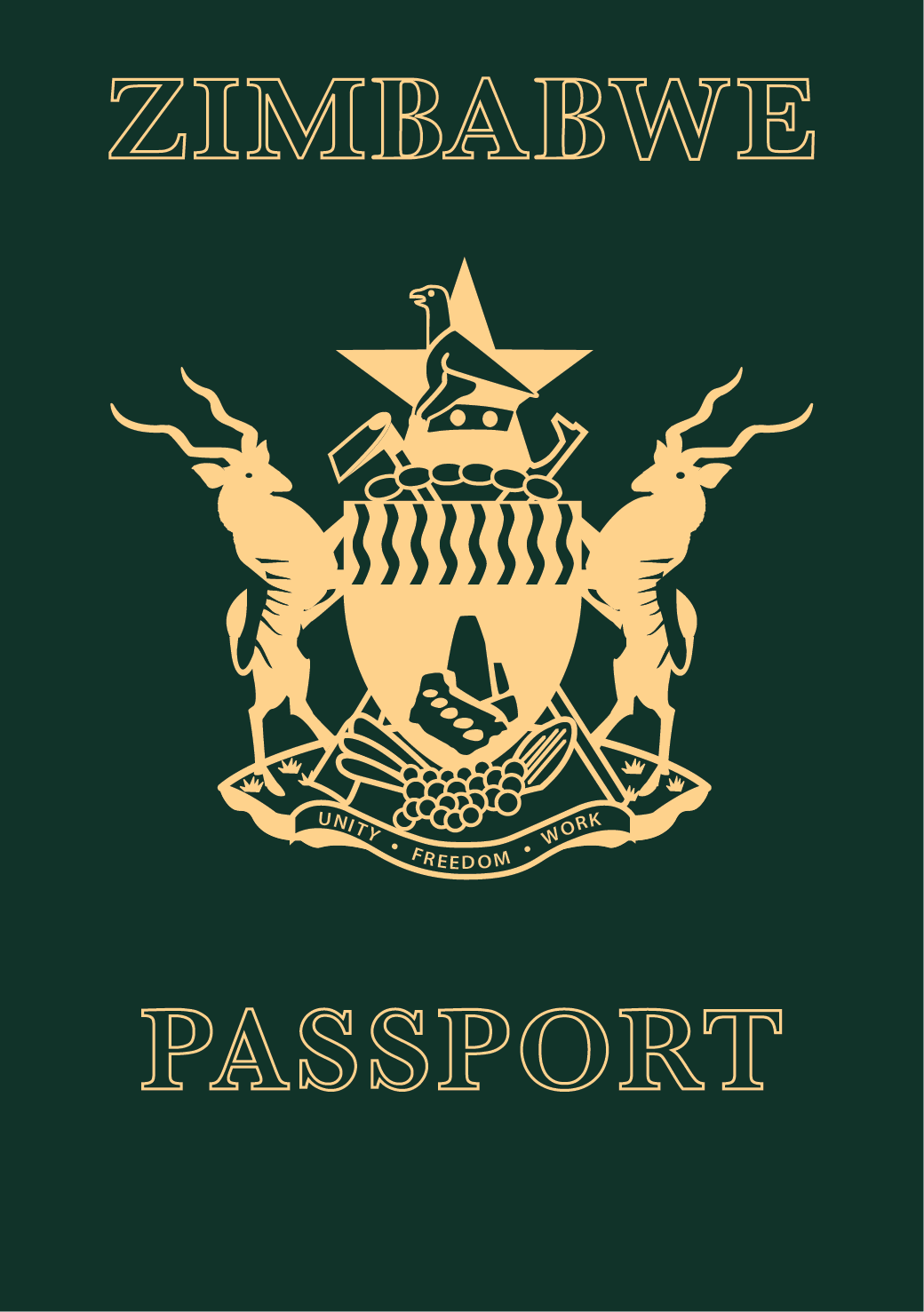

Zimbabwe and Botswana are advancing plans to allow citizens to travel across their shared border without passports, in a move aimed at deepening regional integration and easing cross-border movement. The proposal, discussed and confirmed in April 2026 by both governments, would allow travelers to use national identity cards instead of passports, Channel Africa reported.
The initiative forms part of a broader set of bilateral agreements covering trade, investment, and security cooperation, signed during high-level talks between Presidents Emmerson Mnangagwa and Duma Boko. Officials say the policy is designed to remove bureaucratic barriers that have long slowed the movement of people and goods between the two countries.
Authorities on both sides argue that eliminating passport requirements will boost small-scale trade, tourism, and labour mobility, particularly for border communities where travel costs and documentation have been a persistent challenge. The shift is also expected to support economic activity by making it easier for businesses and traders to operate across borders.
The move aligns with wider efforts across southern Africa to promote free movement under regional frameworks such as the African Continental Free Trade Area, which encourages reduced travel restrictions to unlock intra-African trade. Similar arrangements are already being explored or implemented in other parts of the continent, signalling a gradual transition toward a more borderless Africa.
If fully implemented, the Zimbabwe–Botswana plan could become a model for deeper regional mobility, reinforcing economic integration while reshaping how citizens move, trade, and connect across Southern Africa.