
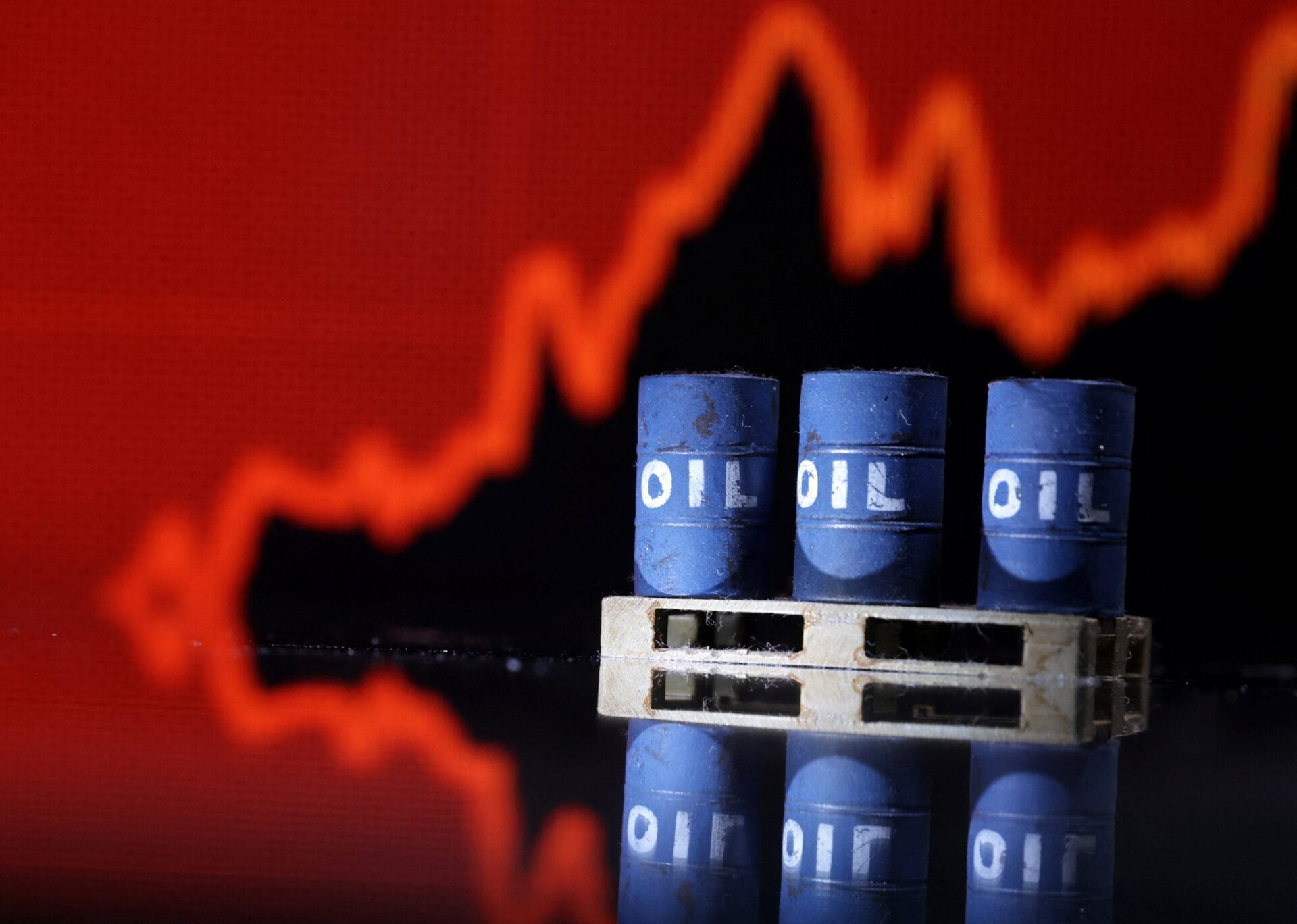

Global oil prices rose more than 5% on April 20, 2026, as escalating tensions between the United States and Iran reignited fears of major supply disruptions. The surge follows a fresh breakdown in ceasefire expectations, with Brent crude climbing to around $95 per barrel and U.S. West Texas Intermediate approaching $89, as reported by Reuters.
The price spike was triggered by a series of confrontations over the weekend, including the U.S. seizure of an Iranian cargo vessel and reported attacks on commercial shipping in the Strait of Hormuz. Iran subsequently restricted passage through the vital waterway again, reversing a brief reopening that had earlier calmed markets.
The Strait of Hormuz, which typically carries about 20% of global oil supply, remains at the centre of the crisis. Disruptions to tanker traffic and heightened security risks have forced traders and refiners to factor in potential shortages, driving volatility and pushing prices upward.
The rebound highlights how sensitive energy markets remain to geopolitical shocks, especially in critical transit routes. As uncertainty persists around negotiations and military activity, oil prices are likely to remain volatile, reinforcing concerns over inflation, energy security, and global economic stability.