
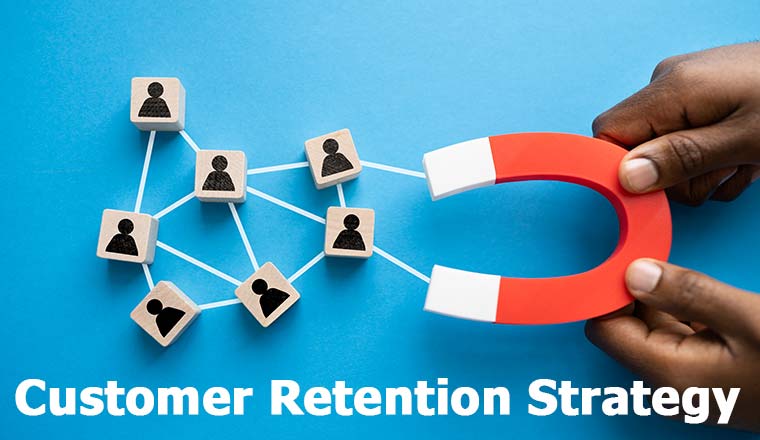

Acquiring new customers is important, but long-term business success depends heavily on customer retention.
Retained customers are more likely to make repeat purchases, recommend your business to others, and cost significantly less to serve compared to acquiring new clients. Focusing on retention not only improves profitability but also strengthens brand reputation and stability.
This guide outlines practical customer retention strategies that help businesses build loyalty and increase lifetime value.
Why Customer Retention Matters for Business Growth
Studies consistently show that retaining existing customers is more cost-effective than acquiring new ones, loyal customers:
• Purchase more frequently
• Are more receptive to upsells and new offerings
• Provide valuable feedback
• Act as brand advocates through referrals and reviews
A strong retention strategy ensures your marketing and sales efforts generate lasting value rather than one-time transactions.
See Also: Lead Generation Tactics That Fill Your Sales Pipeline
Deliver Consistent Product and Service Quality
Retention begins with delivering what you promise. Customers are unlikely to return if their experience does not meet expectations. Consistency in product quality, service delivery, and communication builds confidence and encourages repeat business.
Businesses should regularly review:
• Customer complaints and feedback
• Service delivery timelines
• Product performance and reliability
Maintaining high standards across every interaction strengthens trust and satisfaction.
Build Strong Customer Relationships
Customers are more likely to stay loyal when they feel valued. Simple relationship-building actions can have a significant impact:
• Personalizing communication
• Responding quickly to inquiries or issues
• Following up after purchases
• Thanking customers for their loyalty
These actions show that the business values customers beyond the initial sale, creating emotional connection and trust.
Use Email and Communication to Stay Engaged
Regular communication keeps your business top of mind. Email marketing is particularly effective for retention because it allows direct, personalized contact.
Businesses can use email to:
• Share product updates or new services
• Offer exclusive promotions or loyalty rewards
• Provide helpful tips or educational content
• Request feedback or reviews
Consistent communication prevents customers from drifting toward competitors.
Implement Loyalty and Reward Programs
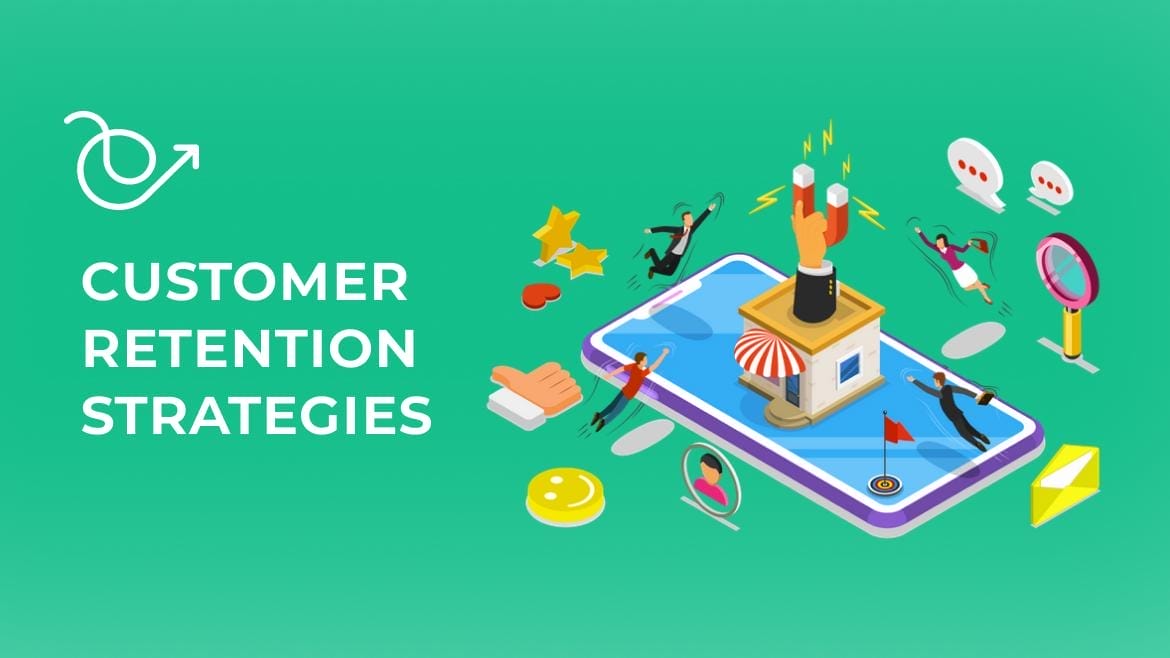
Loyalty programs encourage repeat purchases by rewarding customers for continued engagement. These programs can take various forms, such as:
• Points systems
• Discount tiers
• Referral bonuses
• Exclusive access to products or services
When designed well, loyalty programs increase both customer satisfaction and lifetime value.
Gather Feedback and Act on It
Customer feedback is one of the most valuable resources for improving retention. Businesses should actively collect feedback through:
• Surveys
• Online reviews
• Direct conversations
More importantly, customers need to see that their feedback leads to improvements. Acting on feedback demonstrates that the business listens and cares about customer experience.
Monitor Key Retention Metrics
Tracking retention performance helps businesses identify trends and areas for improvement.
Important metrics include:
• Customer retention rate
• Repeat purchase rate
• Customer lifetime value
• Churn rate
Regularly reviewing these metrics ensures that retention strategies remain effective and aligned with business goals.
Strong customer retention strategies are essential for sustainable business growth. By delivering consistent quality, building meaningful relationships, maintaining communication, rewarding loyalty, and responding to feedback, businesses can turn one-time buyers into long-term customers. Retention not only increases revenue but also builds a stable and trusted brand in competitive markets.