
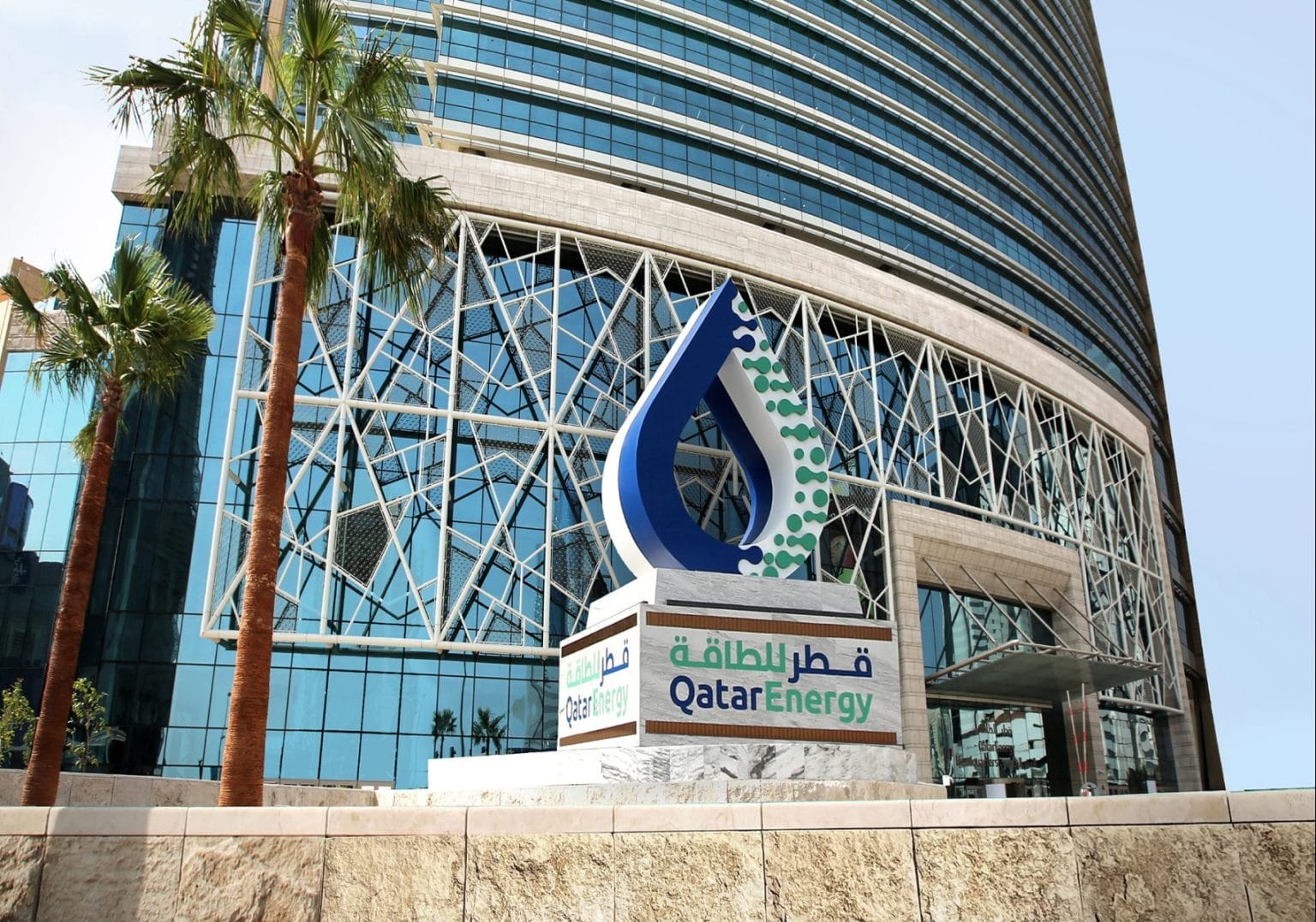

QatarEnergy has announced the acquisition of a 27 percent participating interest in Egypt’s North Cleopatra offshore exploration block from Shell, marking another step in the company’s global expansion strategy. The agreement, disclosed on October 5, 2025, is pending approval from the Egyptian government and will further strengthen QatarEnergy’s presence in the Eastern Mediterranean, as reported by Reuters.
Under the terms of the deal, Shell will remain the operator of the block with a 36 percent interest, while Chevron holds 27 percent and Egypt’s Tharwa Petroleum Company retains the remaining 10 percent. The concession, located in the Herodotus Basin in the Eastern Mediterranean, spans approximately 3,400 square kilometres in water depths reaching 2,600 metres, according to Business Today Egypt.
Qatar’s Minister of State for Energy Affairs and CEO of QatarEnergy, Saad Sherida Al-Kaabi, said the acquisition highlights the company’s continued commitment to exploring new frontiers in energy development. “We are pleased to secure this additional exploration acreage, which further expands our upstream exploration activities in the Arab Republic of Egypt,” he stated, expressing appreciation to Egypt’s Ministry of Petroleum and the project partners for their cooperation.
Industry observers note that the deal reinforces QatarEnergy’s growing influence in offshore exploration and signals renewed investor confidence in Egypt’s energy sector. However, experts caution that the project’s success will depend on timely regulatory approvals, cost management, and efficient coordination among partners in the high-capital deep-water environment.
Congo to Permanently Ban Cobalt Exporters Who Breach Quotas, Says President Tshisekedi
President Félix Tshisekedi has announced that the Democratic Republic of Congo will permanently ban any cobalt exporters who violate the country’s new quota system, in a move aimed at strengthening oversight and curbing market abuses. The decision comes as Congo, which accounts for about 70 percent of global cobalt output, prepares to replace its export ban with a quota regime set to take effect on October 16, 2025, as reported by Reuters.
The state regulator, the Agency for the Regulation and Control of Strategic Mineral Substances (ARECOMS), has capped cobalt exports at 18,125 metric tons for the remainder of 2025. The limits will rise to 96,600 tons annually for both 2026 and 2027. Exporters will be required to operate strictly within their assigned quotas based on historical performance, and any breaches could result in permanent exclusion from the market, according to Africanews.
“These are not optional rules,” President Tshisekedi said during a cabinet meeting, emphasizing that “exemplary sanctions” are necessary to end what he described as predatory practices undermining the value of Congo’s mineral exports. The president added that the quota system is intended to bring order to a sector long plagued by irregularities and underreporting.
Analysts say the policy marks a pivotal step toward stabilizing cobalt prices and increasing state revenue from a resource critical to electric vehicle batteries and renewable energy technologies. However, they caution that success will depend on the government’s ability to enforce compliance, strengthen monitoring systems, and maintain investor confidence in one of the world’s most strategically important mining sectors, as highlighted by Africanews.