
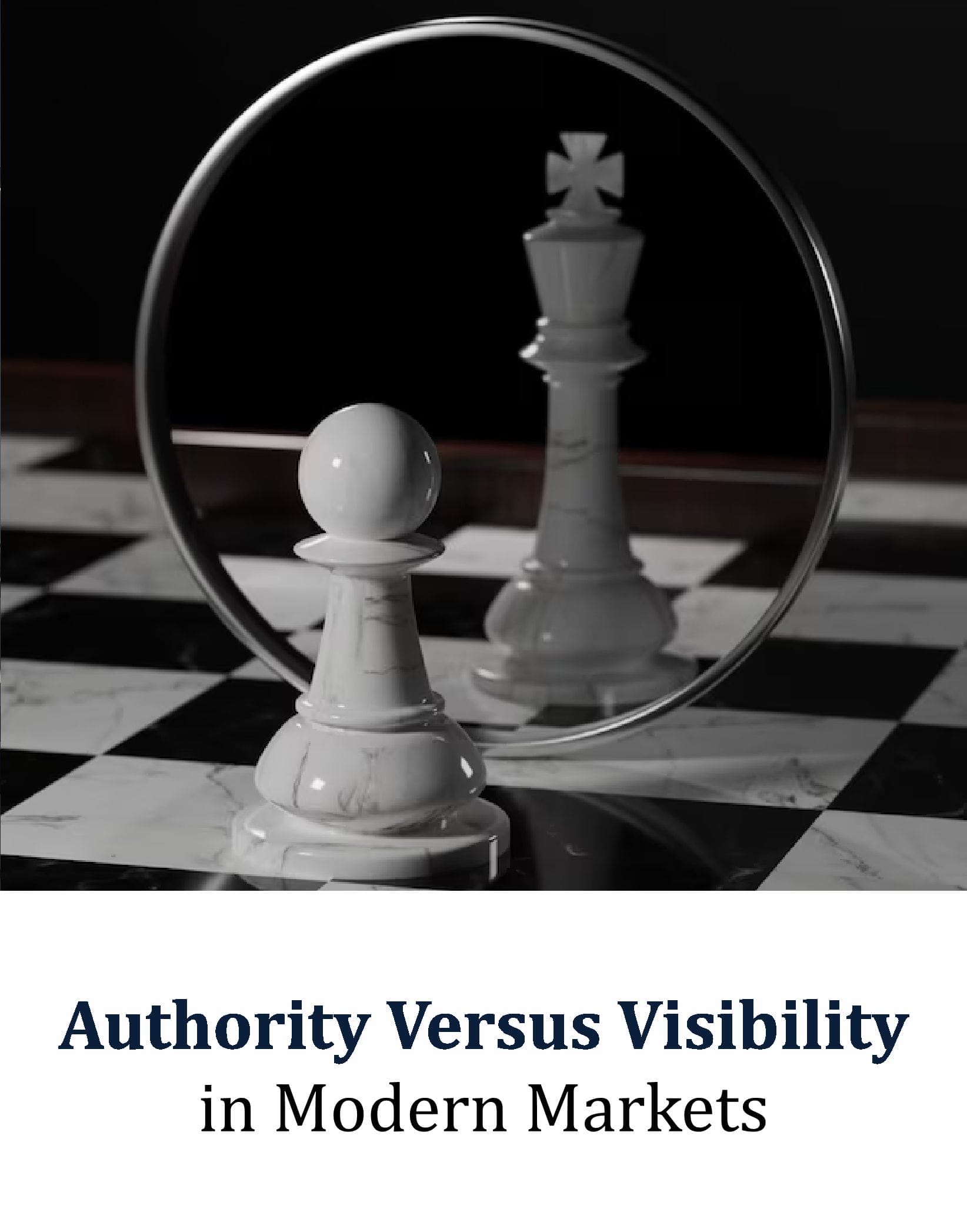

In modern markets, visibility is often mistaken for authority. Brands are encouraged to be louder, faster, and more present, under the assumption that attention naturally converts into trust. In the UK market, this assumption is not only flawed, it is frequently counterproductive.
Loud brands often lose serious buyers because volume is interpreted as compensation rather than confidence. Excessive visibility can signal insecurity, weak positioning, or an attempt to substitute narrative for substance. Experienced decision-makers are attuned to this. They do not equate frequency with competence. In many cases, the more aggressively a brand seeks attention, the more cautiously it is assessed.
Visibility becomes a credibility liability when it outpaces evidence. Constant messaging without depth creates noise rather than reassurance. When claims are repeated across platforms without independent validation or operational proof, scrutiny increases. Instead of building trust, overexposure raises questions about what is being obscured or overstated.
Followers do not translate to trust. Audience size is not a proxy for reliability, judgment, or delivery capability. In institutional environments, popularity metrics carry little weight. Decision-makers look for signals that reduce risk, not signals that suggest reach. A large following may demonstrate marketing effectiveness, but it does not demonstrate governance, discipline, or accountability.
This distinction highlights the difference between being known and being respected. Being known is a function of exposure. Being respected is a function of consistency, outcomes, and behaviour over time. Respect is built slowly, often quietly, and is rarely announced. It is reflected in referrals, repeat engagements, board confidence, and long-term partnerships, not in public applause.
UK markets, in particular, reward restraint over hype. Professional culture favours understatement, coherence, and credibility that does not need to be asserted. Excessive self-promotion is often discounted, while measured presence is interpreted as confidence. Authority here is inferred from how little needs to be said, not how much.
Crucially, authority is built offline before it appears online. It is established through decision quality, track record, institutional relationships, and the ability to operate under scrutiny. Digital presence is not where authority is created. It is where existing authority becomes visible. When the order is reversed, and visibility is pursued before substance is secured, the result is reputational fragility.
For founders, executives, and investors operating in serious markets, the strategic question is not how to be seen more, but how to be trusted more. Visibility can support authority, but it cannot replace it. When attention becomes the objective rather than the byproduct, credibility is often the casualty.
In modern markets, authority endures. Visibility fluctuates. Serious buyers know the difference, and they decide accordingly.
Olanrewaju Alaka is a marketing, reputation, and authority strategist working with founders, executives, and premium brands across Africa and the UK. He is the Founder of Pressdia, Africa’s PR marketplace, and Laerryblue Media, a strategic communications and reputation firm. His work focuses on marketing strategy, media positioning, credibility architecture, and long-term brand equity in high-trust global markets.