
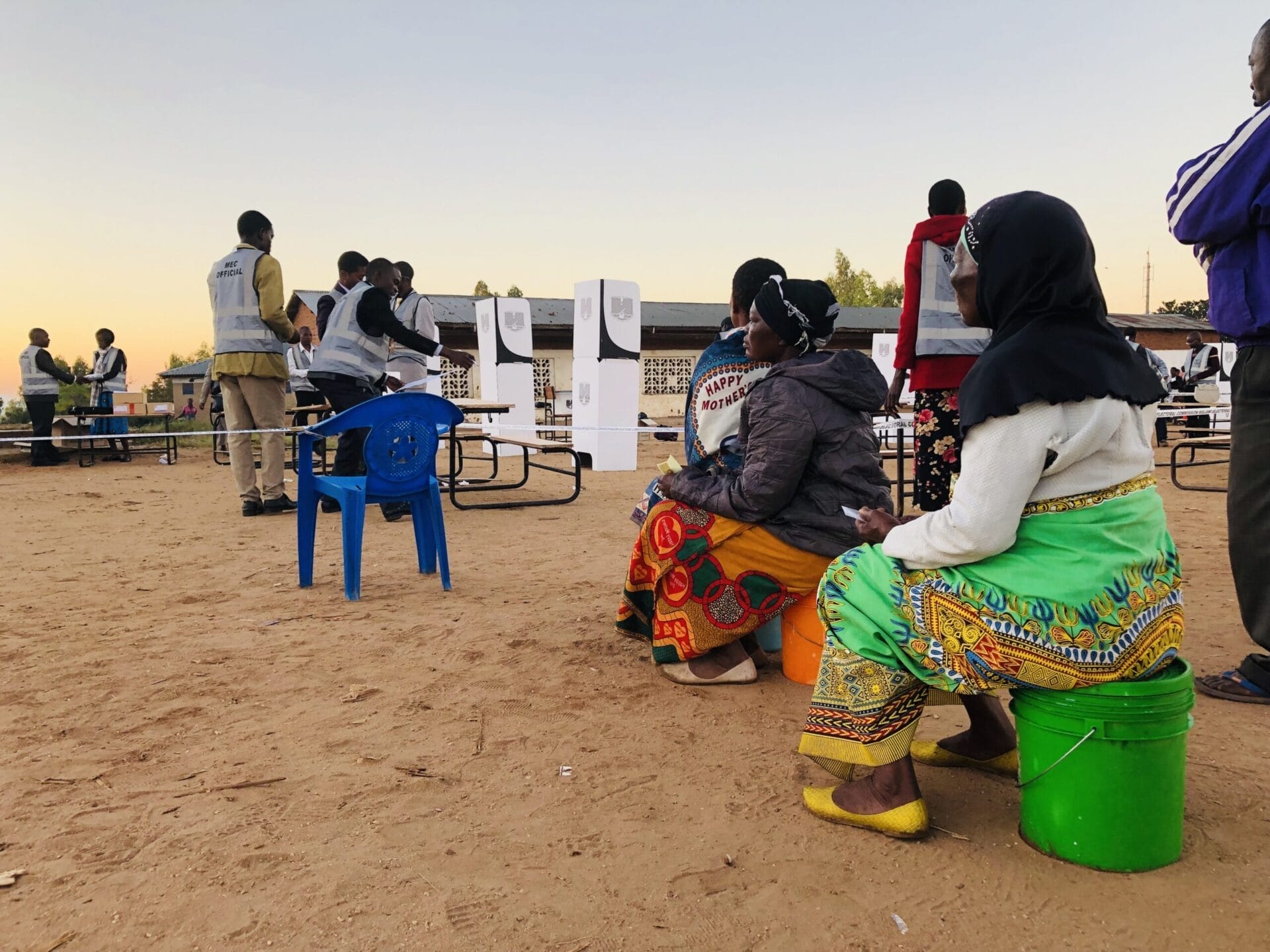

Malawians are voting in national elections against the backdrop of a severe economic downturn and rising frustration with political leadership. The vote, monitored closely by observers, is expected to reflect public sentiment over inflation, currency depreciation, and persistent shortages of fuel and foreign exchange.
Reports from Reuters indicated that the kwacha has lost significant value this year, driving up the cost of food and essential goods in a country already battling high poverty rates. Economists quoted in Bloomberg stressed that the fiscal crisis has been worsened by heavy debt obligations and stalled international support, leaving the government with limited policy options.
Public discontent has also intensified around governance and corruption concerns. Civil society groups told Al Jazeera that many voters see the election as a referendum on the administration’s handling of the economy and its ability to deliver basic services.
Political analysts interviewed by Financial Times noted that while the outcome could reshape Malawi’s policy trajectory, whoever wins will inherit a fragile economy that requires urgent stabilization measures and renewed engagement with international creditors.
Election officials said results are expected in the coming days, with regional and international monitors assessing the credibility of the polls.