
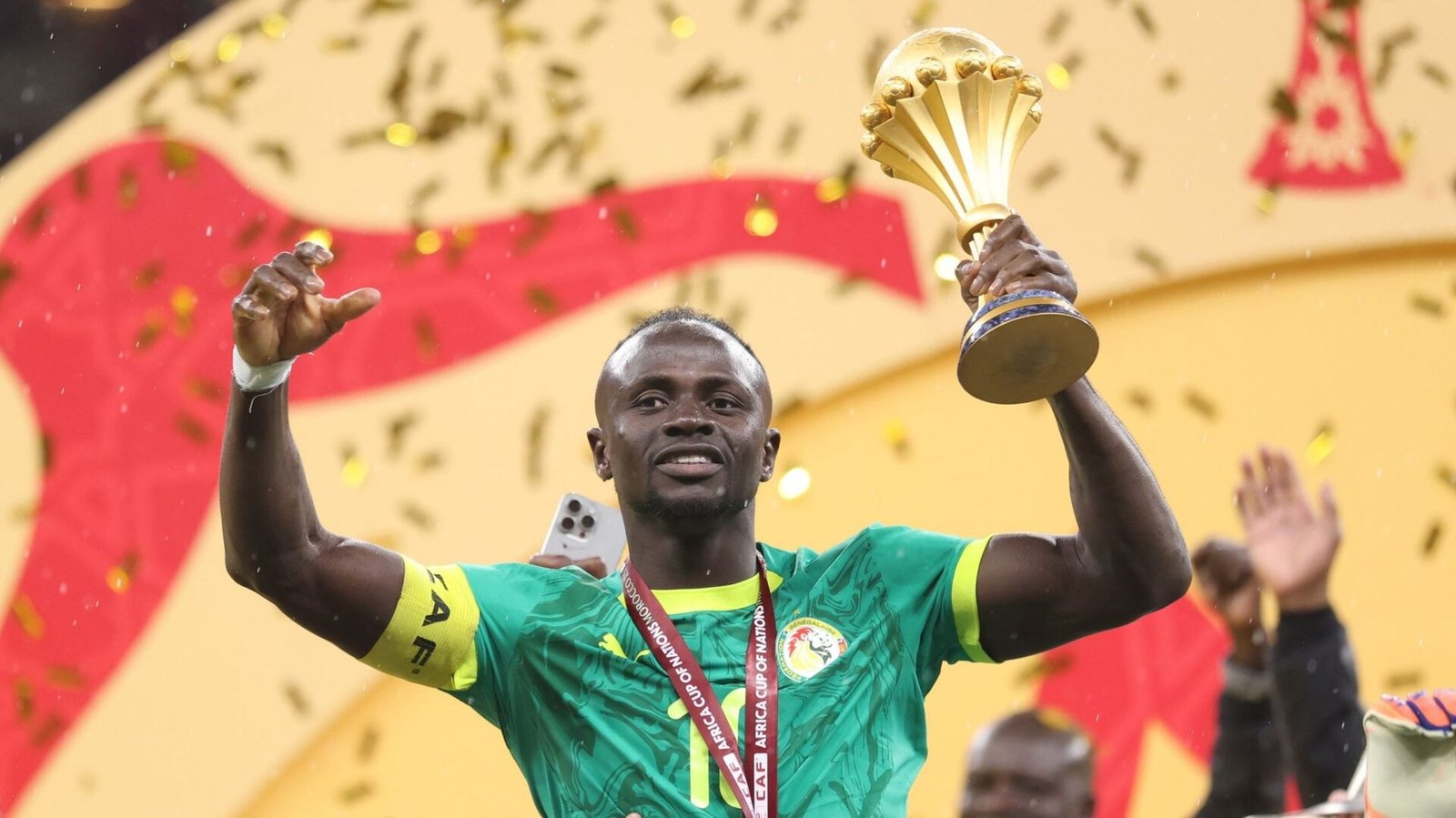

Senegal have officially regained the 2025 Africa Cup of Nations title after the Court of Arbitration for Sport (CAS) unanimously upheld their appeal against the Confederation of African Football’s (CAF) decision to award the trophy to Morocco, as reported by ChannelsTv. In its ruling delivered on November 24, 2026, the Switzerland based tribunal overturned CAF’s Appeals Board decision and reinstated Senegal’s original 1-0 victory after extra time in the final played in Rabat on January 18, 2026. The verdict confirms Senegal as African champions for the second time, following their maiden AFCON triumph in 2022, bringing an extraordinary legal dispute surrounding the continent’s biggest football tournament to a significant turning point.
The dispute originated during the final when Senegalese players temporarily left the pitch in protest after Congolese referee Jean-Jacques Ndala awarded Morocco a late penalty following a VAR review. The match was delayed for approximately 15 minutes before Senegal returned to the field. Morocco’s Brahim Díaz subsequently missed the penalty, and Pape Gueye scored the decisive goal in extra time to secure Senegal’s victory. Although CAF initially imposed disciplinary sanctions, its Appeals Board overturned that position in March 2026, declaring Senegal had forfeited the match and awarding Morocco a 3-0 victory under Articles 82 and 84 of the AFCON regulations. Senegal challenged the decision at CAS, arguing that the referee’s authority to resume the match and allow it to reach completion meant the result could not subsequently be overturned through forfeiture provisions. The tribunal agreed, concluding that the referee’s decision to restart play meant the relevant forfeiture rules did not apply.
Beyond restoring Senegal’s continental title, the ruling raises important questions about football governance, disciplinary procedures and the relationship between tournament regulations and decisions made by match officials. Senegal’s Football Federation welcomed the outcome, while Morocco’s football federation announced plans to pursue further legal avenues to challenge the verdict, raising concerns about the integrity of the proceedings. Any further challenge would face the limited grounds available for reviewing CAS awards at Switzerland’s Federal Supreme Court. For African football, the case represents a significant legal precedent concerning the authority of referees and the application of competition regulations during high stakes matches. It also leaves CAF facing renewed scrutiny over its disciplinary processes and the consistency of its decision making.