
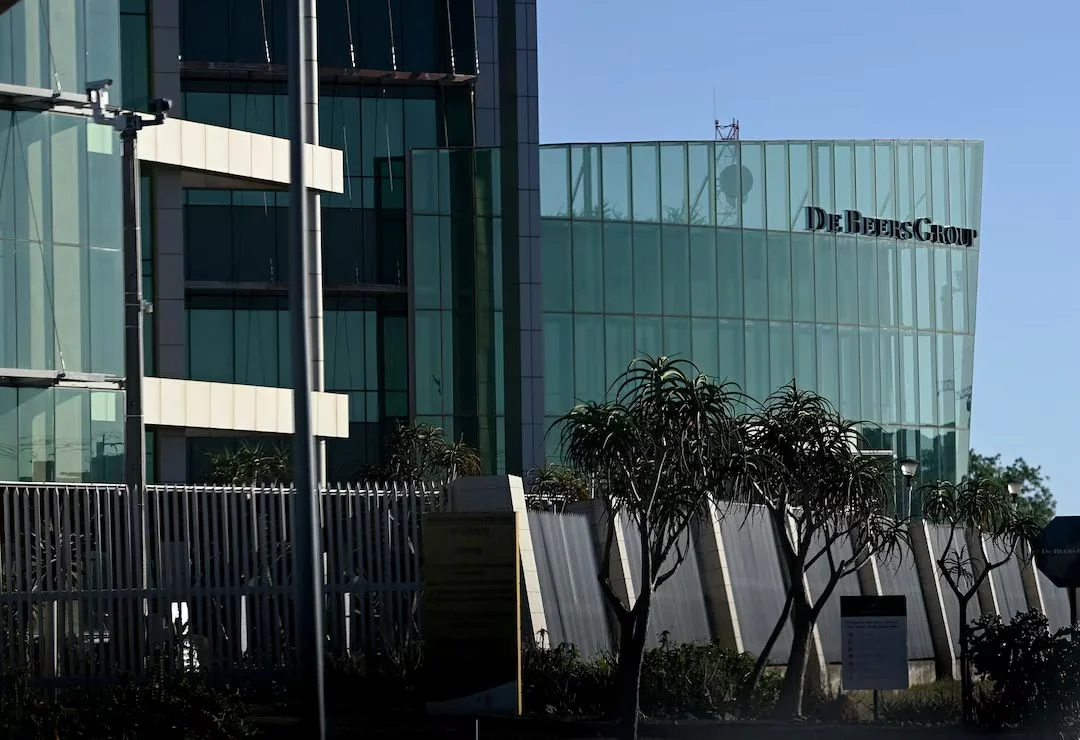

Angola will invest approximately $180 million to acquire a 10% stake in De Beers, marking a significant move by the southern African nation to strengthen its influence in the global diamond industry. The investment was confirmed on 20 November 2026 by José Manuel Augusto Ganga Júnior, chief executive of state owned diamond company Endiama, in comments reported by Reuters. The proposed acquisition forms part of a broader transaction involving the purchase of Anglo American’s 85% controlling interest in De Beers by a consortium led by the Global Diamond Consortium, with Angola, Botswana, Namibia and Oman participating. Angola’s Ministry of Mineral Resources, Petroleum and Gas confirmed that the country intends to become a shareholder, describing the development as an important step towards securing a direct role in the strategic decisions of one of the world’s most influential diamond companies. The transaction remains subject to the conclusion of binding agreements and necessary regulatory approvals.
The investment comes as the ownership structure of De Beers undergoes a major transition following Anglo American’s decision to put the diamond business up for sale in 2024 amid declining diamond prices and increasing competition from laboratory grown alternatives. Botswana, which currently owns 15% of De Beers, has backed the proposed consortium acquisition and intends to increase its holding to 30%, potentially becoming the company’s largest single shareholder. Namibia is also expected to acquire a 10% interest, while Angola’s proposed investment would give it a direct position in the company’s ownership structure. For Angola, the opportunity extends beyond financial participation. According to the country’s mining ministry, the government intends to use its investment to strengthen domestic diamond cutting and polishing, expand the Angola Diamond Exchange, develop technical expertise and retain more value from its mineral resources within the country. Endiama’s chief executive has maintained that the investment remains strategically worthwhile despite the current weakness in the natural diamond market, particularly because De Beers already conducts diamond exploration activities in Angola.
The proposed acquisition represents a broader shift towards greater African participation in the ownership and governance of the continent’s mineral wealth. Rather than remaining primarily suppliers of raw diamonds, producing countries are increasingly seeking direct influence over international mining companies, distribution networks and the commercial decisions that determine how mineral wealth is monetised. For Angola, the investment could strengthen its position among the world’s leading diamond producers while creating opportunities to expand domestic processing, attract investment and develop a more integrated diamond industry. However, the commercial outlook remains challenging. De Beers faces declining natural diamond demand, changing luxury consumption patterns and competition from laboratory grown stones, making the long term performance of the investment dependent on the company’s ability to reposition its business. The next critical milestone will be the completion of the proposed ownership transaction and the implementation of Angola’s domestic beneficiation ambitions. If successful, the deal could establish a stronger model for African resource producing countries seeking to move beyond extraction and secure a greater share of the value generated by their natural resources.