
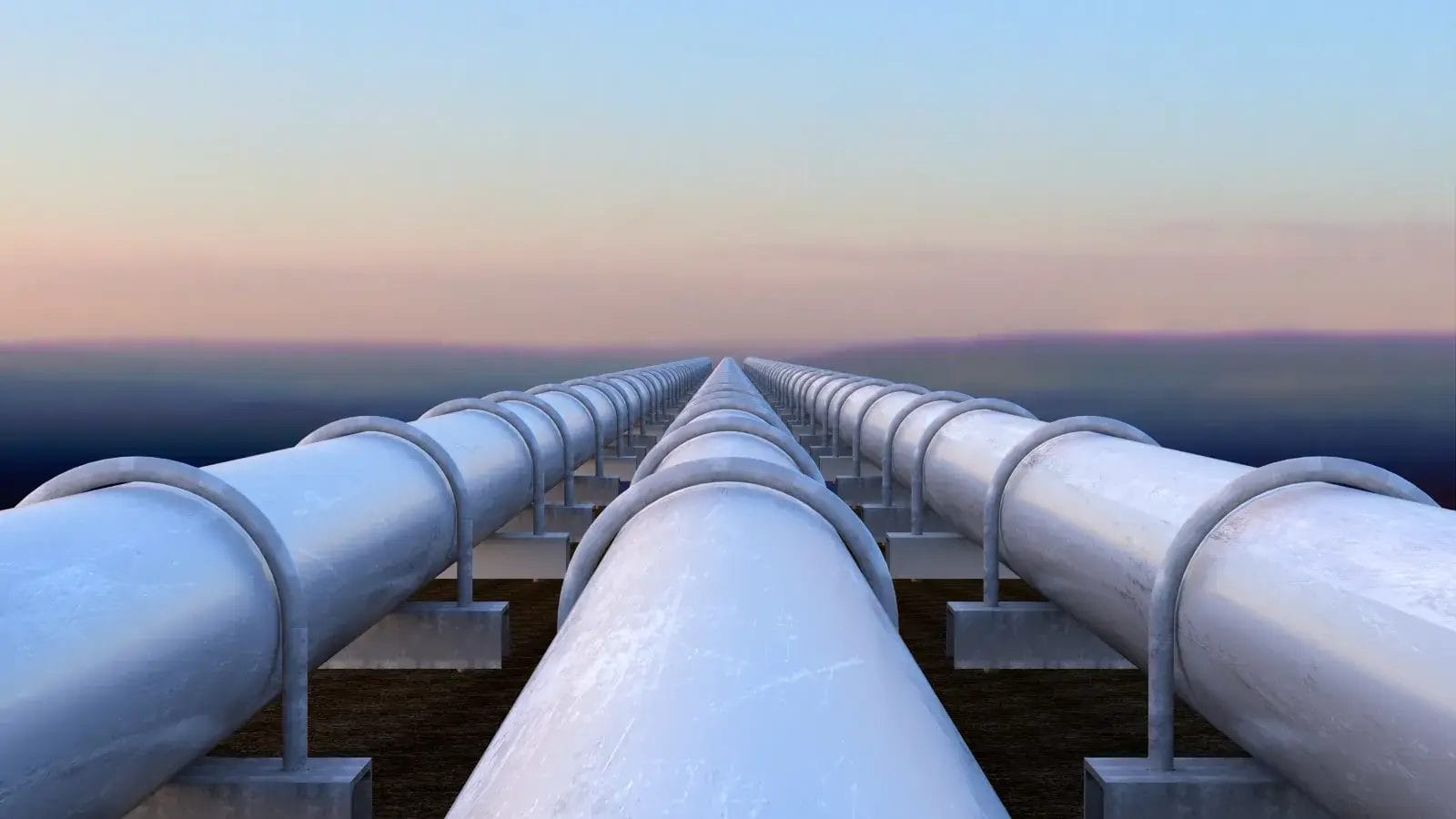

Nigeria and Morocco are targeting a major agreement in 2026 to accelerate development of the proposed Nigeria–Morocco Atlantic gas pipeline, one of Africa’s largest planned energy infrastructure projects. Officials from both countries say negotiations and technical planning have advanced significantly as the project moves closer to implementation, according to Reuters.
The pipeline is expected to stretch more than 5,000 kilometres along the West African coastline, transporting Nigerian natural gas through multiple countries to Morocco before linking into European energy networks. The project is designed to improve regional energy access, support industrial development, and strengthen Africa’s role in global gas supply chains.
Backed by the Economic Community of West African States and supported by institutions including the Islamic Development Bank and the African Development Bank, the project has gained strategic importance amid Europe’s search for alternative energy suppliers. Officials say the pipeline could also help expand electricity generation and gas infrastructure across participating West African economies.
Analysts note that the development reflects Africa’s growing ambition to build large-scale cross-border infrastructure capable of reshaping regional trade and energy integration. However, they caution that financing, security concerns, and coordination among participating countries remain critical challenges that must be addressed before full-scale construction begins.