
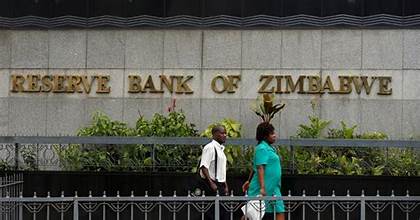

The Reserve Bank of Zimbabwe has maintained a tight monetary policy stance to limit the inflationary impact of rising fuel prices, as authorities move to preserve recent gains in price stability, according to Reuters.
The central bank has kept its policy rate at 35 percent, a level unchanged since September 2024, with Governor John Mushayavanhu emphasising the need to anchor inflation before considering any easing of monetary conditions.
MarketScreener says the cautious approach comes despite inflation falling to single digits, with rates dropping to about 3.8 percent year-on-year in February, supported by tighter monetary controls and relative stability in the Zimbabwe Gold (ZiG) currency.
CNBC Africa notes that the stance is particularly important as fuel price increases, linked to global energy market disruptions, risk feeding into broader inflation, especially through transport and production costs. The central bank has signalled it will follow a gradual policy adjustment path to avoid reversing progress on inflation control.