
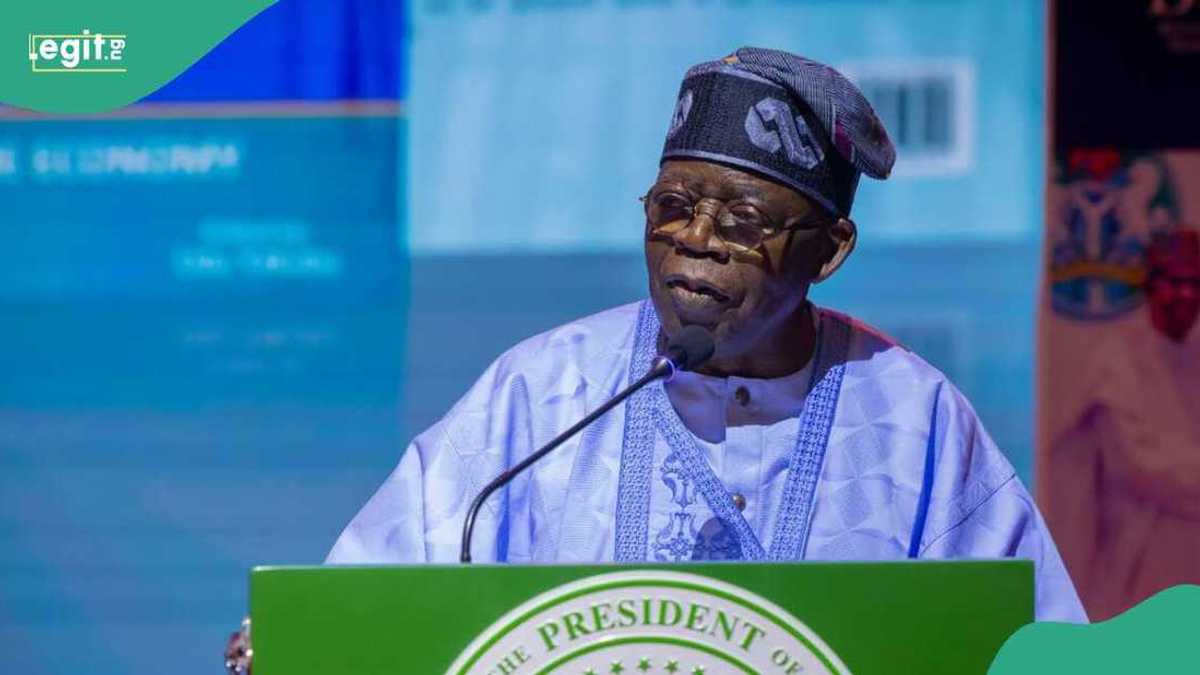

Nigeria expects its fiscal deficit to widen to 4.28% of gross domestic product in 2026 as President Bola Tinubu submitted a new spending plan aimed at sustaining economic reforms while boosting growth, the government said. The proposal reflects higher projected expenditure alongside efforts to stabilize revenues in Africa’s largest economy, as reported by Reuters.
According to details released by the finance ministry and cited by CNBC Africa, the 2026 budget framework is anchored on increased capital spending, continued fuel subsidy reforms and tighter control of recurrent expenditure. The government expects stronger oil output and improved non-oil tax collection to support revenues, even as debt servicing remains a significant pressure on public finances.
Officials say the proposed deficit level is intended to balance fiscal discipline with the need to invest in infrastructure, social programmes and economic diversification. Tinubu’s administration has argued that front-loaded spending is necessary to unlock private investment and accelerate growth, a position reiterated in official budget documents referenced by Reuters.
Economists told local media that while the projected deficit is higher than some regional peers, it remains manageable if revenue reforms gain traction and borrowing costs are kept in check. Analysts also note that investor confidence will hinge on the government’s ability to meet oil production targets and deepen non-oil revenue mobilization over the budget cycle.