
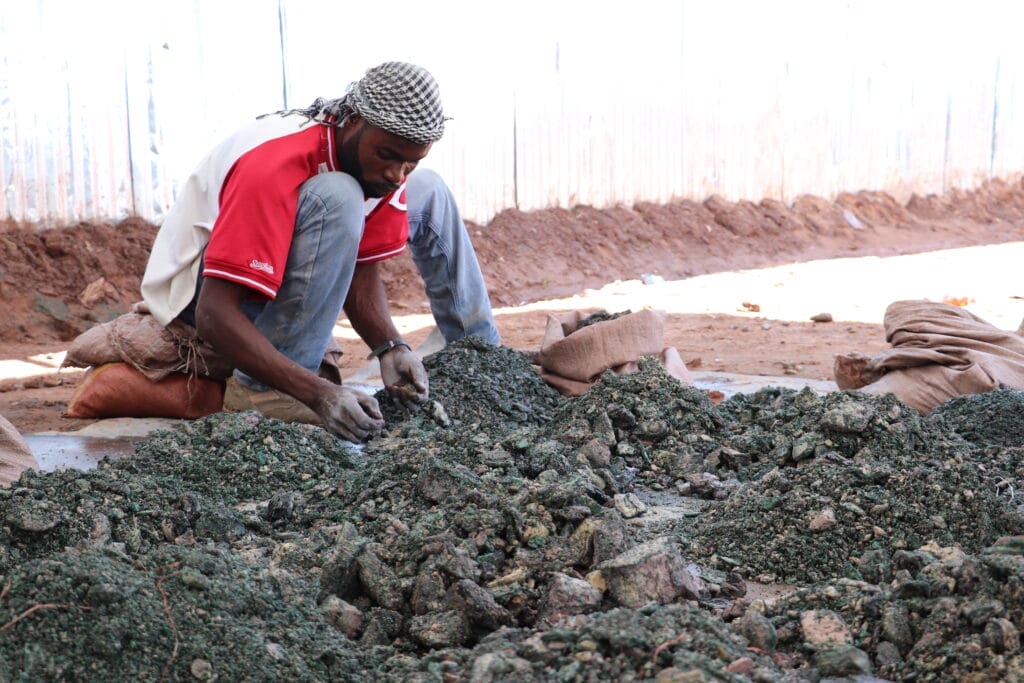

The Democratic Republic of Congo has introduced new cobalt export conditions aimed at tightening state control over one of the world’s most critical supply chains, according to a circular issued by the ministries of mines and finance. The measures follow months of market volatility and are intended to improve revenue capture in a sector that accounts for roughly 70 percent of global cobalt output, according to Reuters.
The new framework requires exporters to make a 10 percent royalty pre-payment within 48 hours of submitting a sales declaration. Exporters must also secure a newly introduced Quota Verification Certificate issued by the national regulator, the Authority for the Regulation and Control of Strategic Mineral Substances’ Markets. The circular further mandates joint sampling, weighing and sealing of shipments under multi-agency oversight, reflecting a significant tightening of procedural controls, as reported by Reuters.
These measures replace the temporary export ban imposed earlier this year, which authorities said was meant to stabilise prices and curb illicit flows. The government has now set quotas of 18,125 metric tons for the remainder of 2025 and 96,600 tons annually from 2026, with large producers receiving priority allocation, according to Reuters.
Market analysts say the rollout has temporarily halted shipments as companies work to comply with the new rules. This pause has amplified supply constraints and contributed to rising global cobalt prices, as highlighted in a related market note published by TradingView.
The policy shift underscores Congo’s continued push to assert greater control over its mineral wealth while responding to strong global demand for cobalt used in electric vehicle batteries and clean energy technologies.