
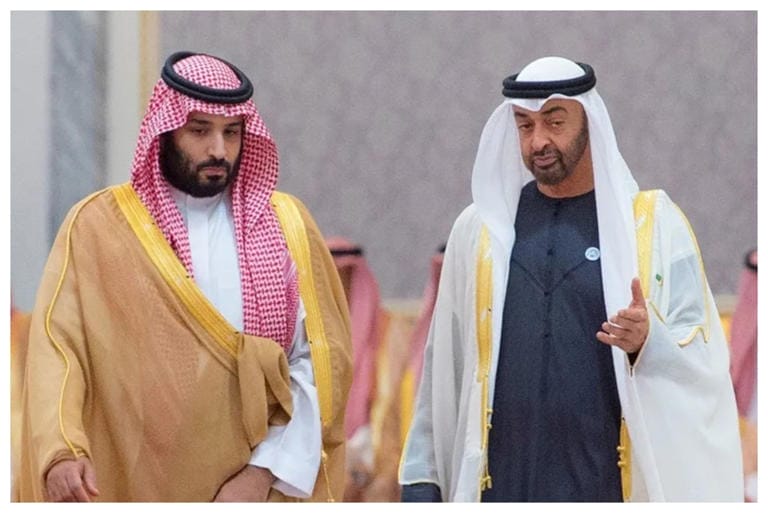

Several African nations are navigating a complex geopolitical divide as tensions between the United Arab Emirates (UAE) and Saudi Arabia begin to influence trade, investment and security across the continent. The rivalry, rooted in differing approaches to regional conflicts such as the one in Yemen, is now extending into economic influence, strategic port investments and commodity markets, Africa Business Insider reported.
In Sudan, the rivalry has played out starkly in the gold and power sectors. The UAE’s significant purchases of Sudanese gold and its political alignments have at times been linked with domestic tensions, while Saudi interests have sought to expand their own influence by supporting rival actors and securing key strategic footholds, including increased engagement around Port Sudan, streamlining access to Red Sea trade routes. Analysts say the competing interests reflect broader Gulf competition for influence in strategically located African states.
Beyond mineral markets, the contest is shaping trade networks and port infrastructure partnerships across the Horn of Africa and Red Sea littoral. The UAE has long been a dominant investor in African ports through operators like DP World, building stakes in facilities that serve as gateways for regional commerce. In response, Saudi-backed entities have accelerated their involvement in alternative port projects as African governments seek to diversify partners and avoid overdependence on a single Gulf power, according to Reuters.
For African capitals, the strategic balancing act is delicate. Some nations are tapping investment from both Gulf states to fund critical infrastructure and development, while resisting pressure to align too closely with one partner’s political agenda. Security agreements and diplomatic shifts in the Horn of Africa and adjacent regions underscore how foreign policy and economic ties with Gulf states can have real implications for domestic stability. Observers warn that without coherent regional strategies, external rivalries could deepen fault lines in areas already facing fragility and shifting alliances.

