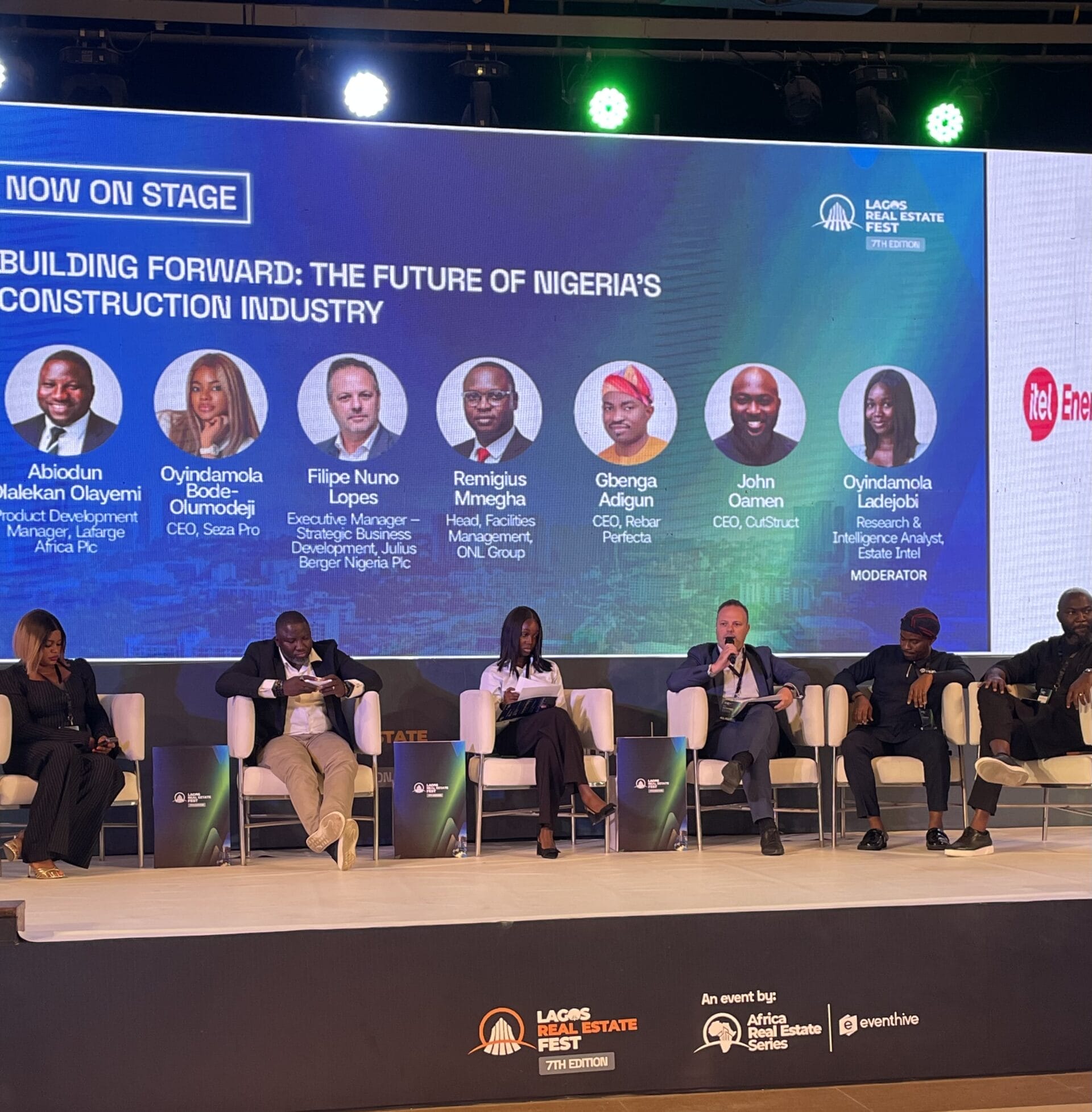

The seventh edition of the Lagos Real Estate Fest 2026 concluded in Lagos after two days of high level conversations, strategic networking, and industry engagement focused on the future of Nigeria’s evolving property market and Africa’s broader real estate investment landscape.
Held from May 25 to 26, 2026, the summit convened developers, investors, policymakers, fund managers, legal experts, and real estate executives at a time when Nigeria’s property sector continues to navigate rising urban demand, changing consumer behavior, infrastructure challenges, and increasing interest in alternative real estate investments. The event served as a platform for stakeholders to examine emerging opportunities shaping residential, commercial, and mixed use developments across major African cities.
Among the notable industry leaders at the event were Tobi Akerele, CEO of Gidi Estate; Azubike Emodi, CEO of Afriland Properties; Ozofu Ogiemudia, Deputy Managing Director of UUBO; Ayotunde Adesalu, CEO of Novare Fund Managers Nigeria; Esvi Bashiri-Oladumi, MD/CEO of Wemabod Limited; Saadiyah Aliyu, CEO of Urban Shelters; and Waye Famojuro, Managing Director of Tide Legal Partners.
One of the standout discussions at the summit focused on the rapid growth of Nigeria’s shortlet apartment market and how changing lifestyle preferences are reshaping real estate development strategies. Speaking during the session, Akerele explained that modern consumers are increasingly prioritizing lifestyle experiences over traditional accommodation offerings, forcing developers to rethink how properties are designed and positioned within the market. “People are no longer looking for just a place to sleep. They are looking for comfort, lifestyle, experience, security, and memorable stays,” he said.
Other panelists explored broader investment trends driving the next phase of growth within Nigeria’s property industry, including commercial real estate expansion, evolving asset classes, flexible workspaces, mixed use developments, and the integration of technology into property management and urban planning systems. Discussions also examined how demographic growth and increasing urban migration are influencing demand for more structured and sustainable housing and commercial infrastructure.
Another major session at the summit, themed “Open for Business: Scaling Retail & Commercial Real Estate in Nigeria,” focused extensively on the transformation taking place within Nigeria’s retail and commercial property ecosystem. Speakers highlighted how consumer behavior, economic realities, and urban expansion are driving demand for integrated developments that combine retail, hospitality, office, and residential functions within unified spaces capable of supporting modern urban lifestyles.
Participants further emphasized the need for stronger infrastructure investment, sustainable city planning, regulatory clarity, and improved investor confidence to unlock larger scale opportunities across Nigeria’s commercial property market. Technology integration, smart building systems, and data driven property management were also identified as key factors shaping the future competitiveness of African real estate developments.
Organizers described Lagos Real Estate Fest 2026 as a strategic industry platform designed to encourage collaboration, attract investment conversations, and support long term growth within Africa’s property ecosystem. Across keynote sessions, panel discussions, and business engagements, the event reflected growing optimism that innovation, institutional partnerships, and forward thinking development models will continue to shape the future of Nigeria’s real estate sector in the years ahead.