


Deciding whether to rent or buy a home is one of the most important financial choices many people face. While homeownership is often seen as a long-term goal, renting also offers flexibility and convenience. Understanding the advantages and disadvantages of each option can help you decide what works best for your financial situation and lifestyle.
The Benefits of Renting a Home
Renting is often the most practical option for people who value flexibility or are not ready for the financial commitment of homeownership. When you rent, you typically pay a fixed monthly rent without worrying about property maintenance, repairs, or property taxes.
Another major advantage of renting is mobility. If your job requires relocation or you plan to move within a few years, renting allows you to change locations without the complexities of selling a property.
Renting also requires a lower upfront cost. Instead of saving for a large down payment and closing costs, renters usually only need to cover a security deposit and the first month’s rent.
See Also: Understanding the 2026 Real Estate Market
The Advantages of Buying a Home

Buying a home offers long-term financial benefits that renting cannot provide.
One of the biggest advantages is building equity. Each mortgage payment you make contributes to ownership of your property rather than paying a landlord.
Homeownership can also offer stability. Fixed-rate mortgages allow homeowners to maintain predictable monthly payments, while renters may face rising rent prices each year.
Another benefit is the ability to personalize your home. Homeowners can renovate, decorate, and modify their property to suit their lifestyle without restrictions from a landlord.
Financial Considerations
The decision between renting and buying often depends on your financial readiness.
Buying a home requires upfront costs such as a down payment, closing costs, and moving expenses. Additionally, homeowners must budget for maintenance, repairs, insurance, and property taxes.
Renters, on the other hand, typically avoid these costs, but their monthly payments do not contribute toward building an asset. Over time, homeowners may benefit from property appreciation and increased home value.
Before making a decision, it is important to review your income, savings, credit score, and long-term financial goals.
Lifestyle and Long-Term Plans
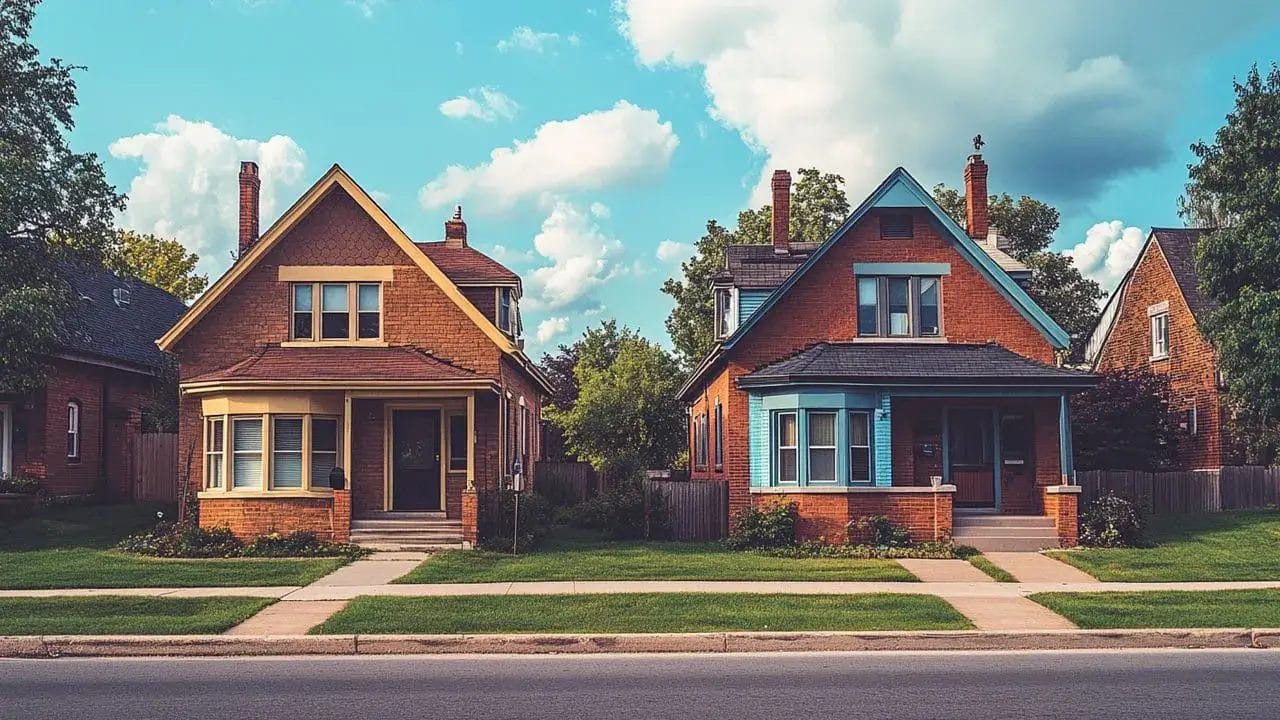
Your lifestyle and future plans also play a major role in deciding whether to rent or buy. If you plan to stay in one location for several years, buying may provide financial advantages and stability.
However, if your career or personal plans involve frequent relocation, renting may be the more practical option. Flexibility is one of the key benefits that renting provides.
Both renting and buying have their own advantages depending on your financial situation and lifestyle goals. Renting offers flexibility and lower upfront costs, while buying provides long-term financial benefits and the opportunity to build equity.
If you’re considering buying a home but aren’t sure where to start, speaking with a local real estate professional can help you understand your options and determine the best path for your future.