
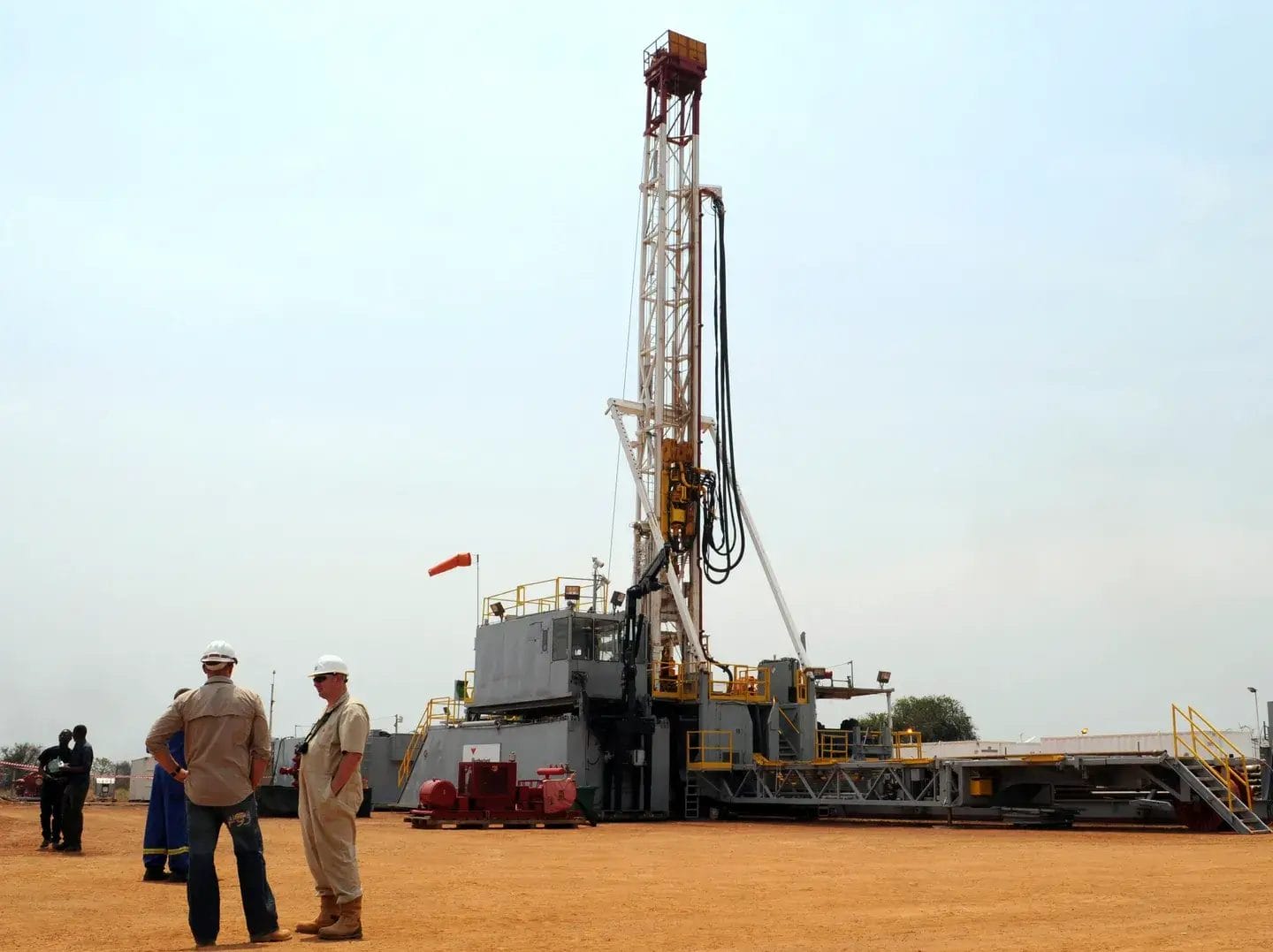

Uganda is projecting average economic growth of 8% per year over the next five years, with oil production expected to play a pivotal role in boosting revenues and investment flows.
Details released by the Ministry of Finance and cited by Reuters show that the government is banking on the planned 2025 start of commercial oil production to accelerate infrastructure development and support fiscal stability. Officials stressed that the forecast hinges on timely completion of the East African Crude Oil Pipeline (EACOP) and stable global energy prices.
Economists interviewed by Bloomberg remarked that while the oil sector could transform Uganda’s economy, risks remain tied to project delays, environmental challenges, and fluctuating demand for fossil fuels. They also warned that without stronger investment in non-oil sectors, growth might be uneven and vulnerable to external shocks.
The World Bank, in its most recent country update, highlighted that Uganda’s services and agriculture sectors have already begun showing resilience, but emphasized that effective governance of oil revenues will determine the country’s long-term stability.
With rising regional interest in Uganda’s energy sector, Financial Times reported that foreign investors are closely watching fiscal reforms and infrastructure projects to gauge whether Kampala can deliver on its growth promise.