
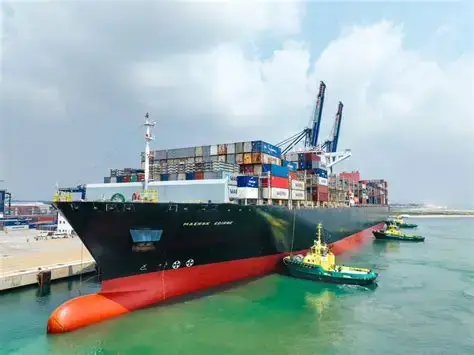

Nigeria’s Lekki Deep Sea Port has rapidly emerged as a major force in regional shipping, handling close to $9.3 billion worth of traded goods within its early phase of operations and reshaping West Africa’s maritime rankings. The port, which began commercial activities in 2023, is positioning Lagos as a key transshipment and logistics hub for the Gulf of Guinea.
Port officials say the surge reflects rising container throughput, increased calls by global shipping lines and growing confidence among importers and exporters. Figures released by the Nigerian Ports Authority show that Lekki Port has attracted some of the world’s largest container vessels, easing pressure on older Lagos ports and cutting cargo dwell time, according to statements from the authority.
Industry analysts note that the deep sea facility’s modern infrastructure, automation and deeper draft are helping Nigeria capture cargo that previously flowed through rival ports in neighbouring countries. Trade experts cited by Business Insider Africa say the port’s performance is already influencing regional shipping routes and investment decisions, with logistics firms expanding operations around the Lekki corridor.
The development aligns with Nigeria’s broader strategy to modernize port infrastructure and boost non oil trade. Government officials have said improved port efficiency is critical to lowering import costs, supporting exports and strengthening Nigeria’s role in African maritime commerce, as highlighted in recent policy briefings reported by Reuters.